The European Union has announced a €100 million aid package for the Lebanese Armed Forces, bringing its recent total support for Lebanon to €182 million.
The funding, approved Thursday by the EU Council under the European Peace Facility programme, is explicitly designed to help the Lebanese state assert its monopoly on weapons and disarm non-state actors.
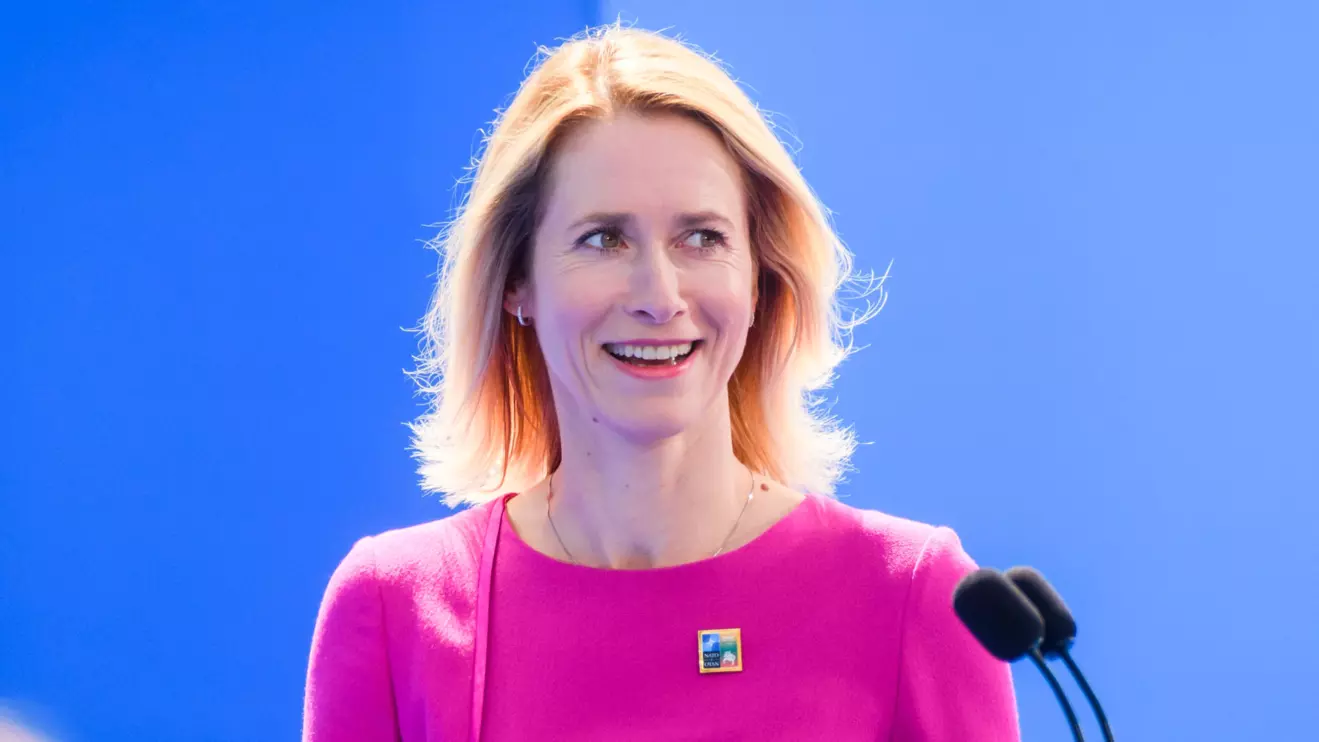
EU foreign policy chief Kaja Kallas was candid about the target: "The best way to remove the threat posed by Hezbollah is to strengthen the Lebanese state, its institutions and its sovereignty."
A word of clarification for Madame Kallas, however: Hezbollah is not merely one of several armed actors in Lebanon. It is the only armed militia in the country. Naming it directly, as she ultimately did, is a welcome departure from the usual diplomatic vagueness that has allowed the group to operate with impunity for decades.
The announcement comes days after Israel and Lebanon agreed Wednesday on the implementation of a ceasefire and the creation of "pilot zones" under Lebanese army control, following two days of talks in Washington, a fragile but significant step.
The EU funding is intended to strengthen the Lebanese army's capacity to monitor and secure Lebanese territory, enforce the state's weapons monopoly and protect civilians — in other words, to do what Hezbollah has long prevented it from doing.
Whether €100 million is enough to shift that balance of power remains the central question. Hezbollah is armed, funded and directed by Iran, whose military and financial support dwarfs anything Brussels can offer.
But as a signal of European commitment to Lebanese sovereignty, Thursday's decision is a meaningful one.