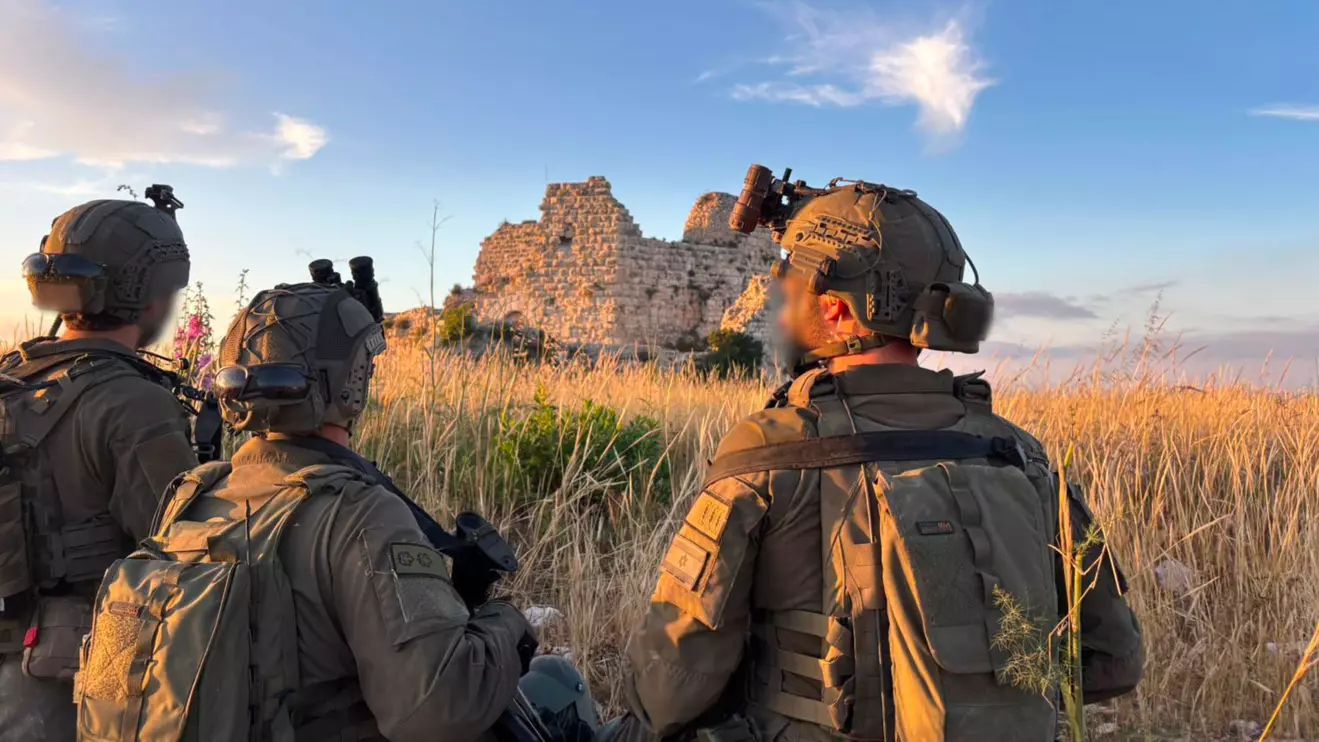
Israeli forces have reportedly taken control of Beaufort Castle, known in Arabic as Qal'at al-Shaqif, a strategically commanding hilltop fortress in the Shebaa Heights of southern Lebanon, according to reports emerging on Sunday.
Perched at over 700 metres above sea level, Beaufort Castle offers a sweeping panoramic view over a vast swathe of southern Lebanon, northern Israel and the Syrian border region.
For any military force controlling it, the fortress provides an unmatched vantage point to monitor movements across the region and intercept threats before they materialise, making it one of the most coveted positions in the Levant.
The Israeli military's reported seizure of the site would significantly enhance its ability to detect and counter Hezbollah rocket and drone launches across the area.
A Fortress With a Turbulent History
Beaufort Castle is no stranger to conflict. Built by Crusaders in the 12th century, it has changed hands repeatedly over the centuries, from Crusaders to Saladin, from the Ottomans to modern armed factions.
In modern times, the PLO used it as a base before Israel captured it during its 1982 invasion of Lebanon. Israeli forces held the fortress for nearly two decades before withdrawing from southern Lebanon in May 2000, a retreat that Hezbollah celebrated as a historic victory. The group subsequently used the site and surrounding area to consolidate its presence in the south.
The reported recapture of Beaufort Castle carries enormous symbolic weight beyond its tactical significance. For Hezbollah, losing control of a site it has long associated with Israel's humiliating 2000 withdrawal would represent a significant blow, both militarily and in terms of the group's carefully cultivated narrative of resistance and invincibility.
For Israel, controlling the Shebaa Heights again sends an unambiguous message: Tsahal intends to dominate the high ground of southern Lebanon for as long as it deems necessary to protect its northern communities.