
Gaza
Hamas extortion in Gaza continues
Israel on Thursday accused Hamas of running a system of taxes and threats that is pushing traders to stop delivering goods to Gaza.

In a striking political declaration, Fahad Al Masri, President of the National Salvation Front in Syria, has issued a bold call for a strategic alliance between post-Assad Syria, the United States and Israel, a move that would represent a seismic shift in the region's diplomatic landscape.
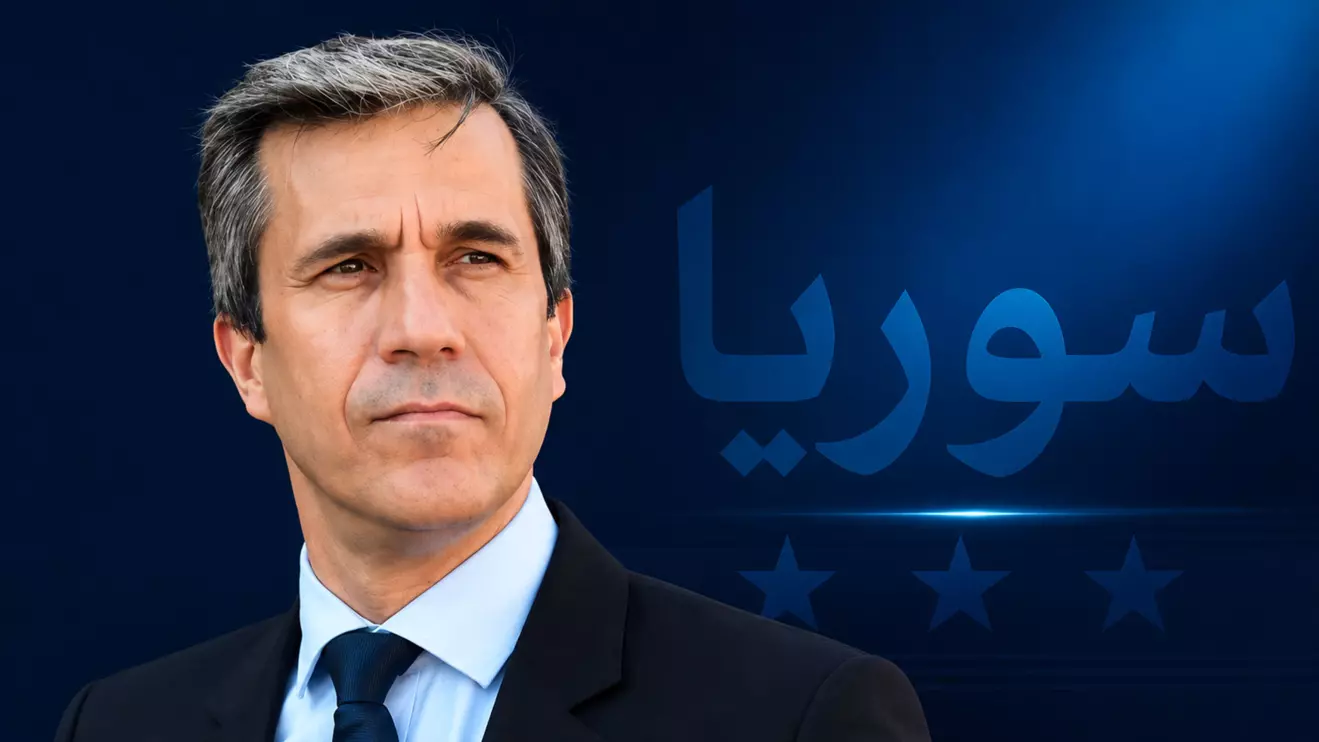
Fahad Al Masri © Mena Today
In a striking political declaration, Fahad Al Masri, President of the National Salvation Front in Syria, has issued a bold call for a strategic alliance between post-Assad Syria, the United States and Israel, a move that would represent a seismic shift in the region's diplomatic landscape.
The document pulls no punches. At its core is a demand for the US to take the lead in eradicating terrorism and extremism in the region, building on decades of American commitment to global security and on legislative tools such as the Syria Accountability Act of 2003, which Al Masri credits with helping drive Assad's forces out of Lebanon.
The Front explicitly seeks "normalization of relations with Israel and cooperation with the Jewish people », language that would have been unthinkable in official Syrian political discourse just a few years ago. It reflects the profound transformation underway in a country still rebuilding its identity after the fall of the Assad regime.
Rather than appealing to ideology, Al Masri frames the proposed alliance in the language of pragmatism and shared interests.
The argument is straightforward: every dollar spent on terrorism costs far more to counter. Investing in Syria's stability, he argues, benefits not only Syrians but the entire network of US allies, from Israel and the Gulf states to European powers including the UK, France and Germany.
A Historic Opening
Perhaps most striking is Al Masri's comparison of the Syrian people's suffering under Assad to the historical persecution of the Jewish people, a deliberate and symbolically loaded gesture toward Israel, signalling a genuine desire for reconciliation and partnership.
For Washington and Jerusalem, the message from Damascus is clear: a new Syria is ready to talk, ready to cooperate, and ready to stand on the right side of history.
Israel on Thursday accused Hamas of running a system of taxes and threats that is pushing traders to stop delivering goods to Gaza.
The Saudi-led military coalition in Yemen said on Thursday that the country's Houthis had attempted to attack dozens of Saudi airports, ports and oil facilities, as fighting between the Iran-aligned group and Saudi Arabia intensified.
Israeli digital advertising agency Discover-Tech spied on internet users through a sprawling network of online ads that it used to track targets and help hack their devices, two research groups said on Thursday.

To make this website run properly and to improve your experience, we use cookies. For more detailed information, please check our Cookie Policy.
Necessary cookies enable core functionality. The website cannot function properly without these cookies, and can only be disabled by changing your browser preferences.