As Lebanon emerges from the shadows of a deadly and destructive war between Israel and Hezbollah that lasted over a year, its people are trying to reclaim some sense of normalcy.
But what does daily life look like in a country still bearing the scars of conflict? And can the Lebanese truly say they are done with what they often call “the war of others”?
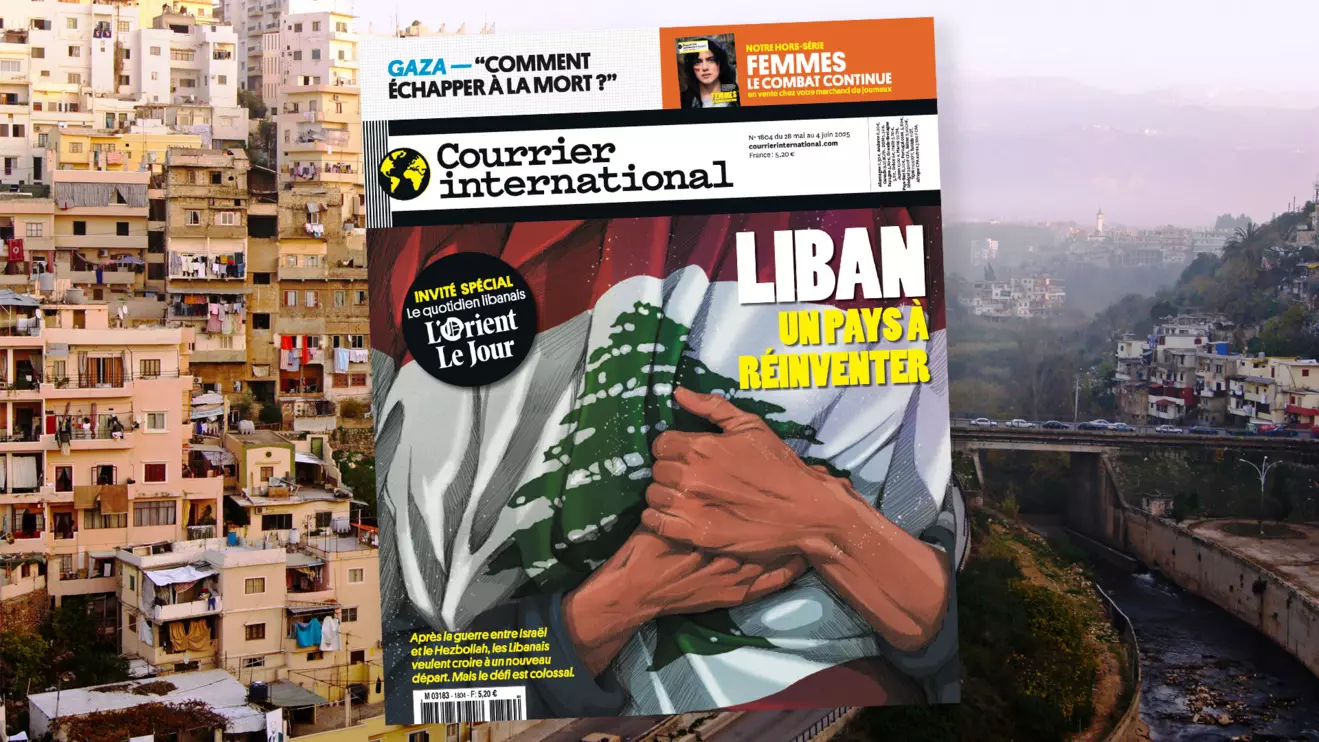
To answer these pressing questions, the French weekly Courrier International is publishing a special report this Wednesday, in partnership with the Beirut-based French-language newspaper L’Orient-Le Jour.
This comprehensive dossier offers both a portrait of modern-day Lebanon and a tribute to L’Orient-Le Jour, which recently celebrated its 100th anniversary. A century of journalism, chronicling the tumultuous history of a nation at the crossroads of regional conflicts, sectarian divisions, and deep political instability.
Fifty years after the outbreak of Lebanon’s civil war, resilience has become second nature to its people. They have learned to endure the perpetual crises — economic collapse, political vacuum, foreign interventions — while striving to live their lives.
In Beirut, nightlife has cautiously resumed, an act of defiance and survival. Yet, the culture of exile continues to shape the dreams of a disillusioned youth seeking better opportunities abroad.
The articles, all written by L’Orient-Le Jour’s journalists, weave together analysis, on-the-ground reporting, and intimate testimonies. They explore how the Lebanese maintain hope in a country where everything must be rebuilt — from institutions and infrastructure to trust and identity.
In the face of uncertainty, the people of Lebanon push forward. Hope, though fragile, persists.