The United Nations General Assembly adopted a resolution Friday in New York, by a vote of 164 in favor, titled "Correct the Map: Rebalancing World Cartographic Representation and Promoting an Equitable Representation of the World's Regions, in Particular Africa."
The text, sponsored by Togo on behalf of the African Union, received support from a large majority of member states.
The resolution recognizes that disproportionate cartographic representations, notably those stemming from the Mercator projection, have had lasting cognitive, educational, cultural, geopolitical and socioeconomic consequences, contributing to a drastic diminishing of Africa and other regions' place in the world's collective imagination.
The General Assembly frames correcting these distortions as a matter of cognitive justice, historical truth and memorial redress.
The text encourages the wider adoption of equal-area map projections, in particular the Equal Earth projection, recently adopted by the African Union, which more accurately reflects the true surface area of the continents and is now recommended as an international reference for educational, institutional and media use.
A call to action across multiple sectors
The resolution calls for mobilization at several levels. Member states are invited to integrate these projections into their educational and digital tools and to teach critical awareness of cartography. International organizations, including UNESCO and UNDP, are called upon to establish fairer geospatial standards.
Technology companies are encouraged to engage with states to incorporate more accurate representations into their systems. Educational and media institutions are urged to disseminate scientifically accurate maps.
The UN counts 193 member states. The United States voted against the resolution.
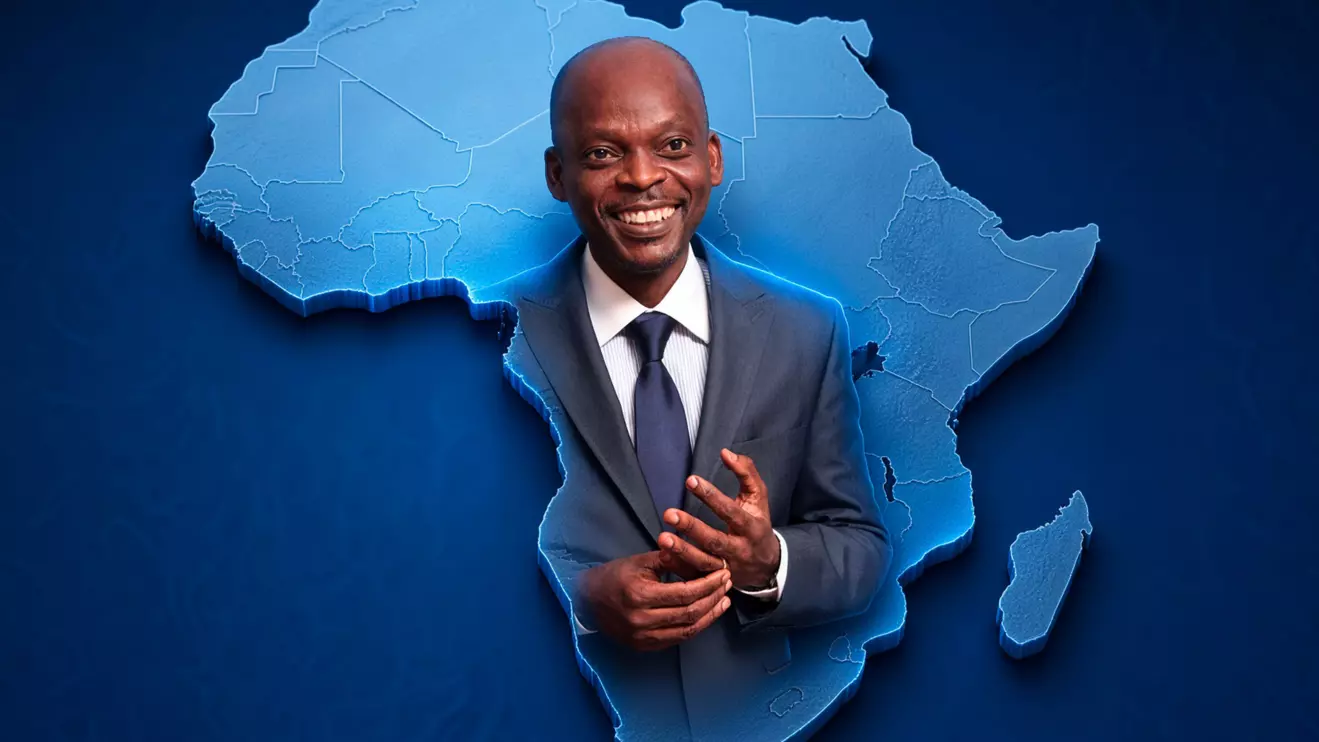
"Today's adoption is a victory for accuracy, and for every child who will now grow up seeing Africa's true place in the world," said Robert Dussey, Togo's Minister of Foreign Affairs.