Iran’s top judicial official said on Monday that the country’s courts would show “no leniency” toward those involved in violent unrest, as nationwide protests entered their ninth consecutive day.
At the same time, he acknowledged what he described as the legitimate right of citizens to demonstrate over economic grievances.
Speaking through the judiciary’s news outlet, Gholamhossein Mohseni Ejeï ordered prosecutors across the country to act decisively against what he called “rioters and those who support them,” insisting that the law be applied “with determination and without indulgence.”
“The Islamic Republic listens to protesters and critics and makes a distinction between them and rioters,” he said, according to Mizan.
The protest movement began on December 28 in Tehran, initially driven by rising living costs. It has since spread to other parts of Iran, with demonstrations increasingly incorporating political demands.
According to an AFP tally based on official statements and media reports, protests have affected at least 45 cities, mostly small and medium-sized urban centers, particularly in western regions of the country. In total, 25 of Iran’s 31 provinces have been touched by the unrest to varying degrees.
Signs of Decline in Demonstrations
State-affiliated media suggested on Monday that the intensity of the protests may be easing. The Fars reported a “notable decline” on Sunday night in both the number of gatherings and their geographic spread compared with previous evenings.
Iranian outlets have nevertheless reported incidents of violence and property damage, largely concentrated in western areas several hundred kilometers from Tehran.
At least 12 people have been killed since December 30 in localized clashes, including members of the security forces, according to official figures. The true scale of the unrest remains difficult to assess, as authorities and local media do not systematically disclose details of all incidents.
Numerous videos showing demonstrations and confrontations have circulated widely on social media, though not all of them can be independently verified.
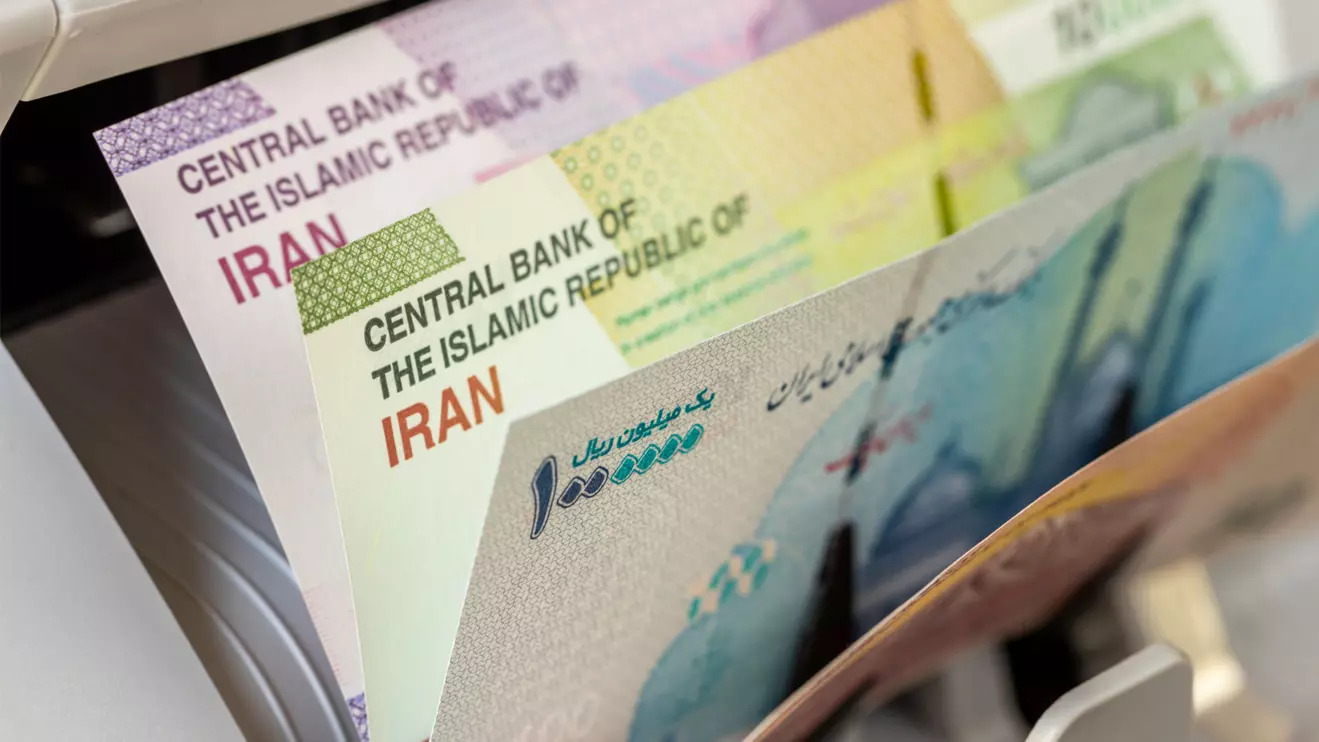
Underlying the protests is a deepening economic crisis. Iran’s national currency, the rial, has lost more than one-third of its value against the US dollar over the past year, exacerbating long-standing inflation that has steadily eroded purchasing power.
On Monday, the rial weakened again on the informal market, trading at around 1.4 million rials to the dollar, compared with roughly 770,000 a year earlier, after a brief period of stabilization in recent days.
As authorities seek to restore order while projecting openness to economic grievances, the balance between repression and reassurance remains a central test for Iran’s leadership.