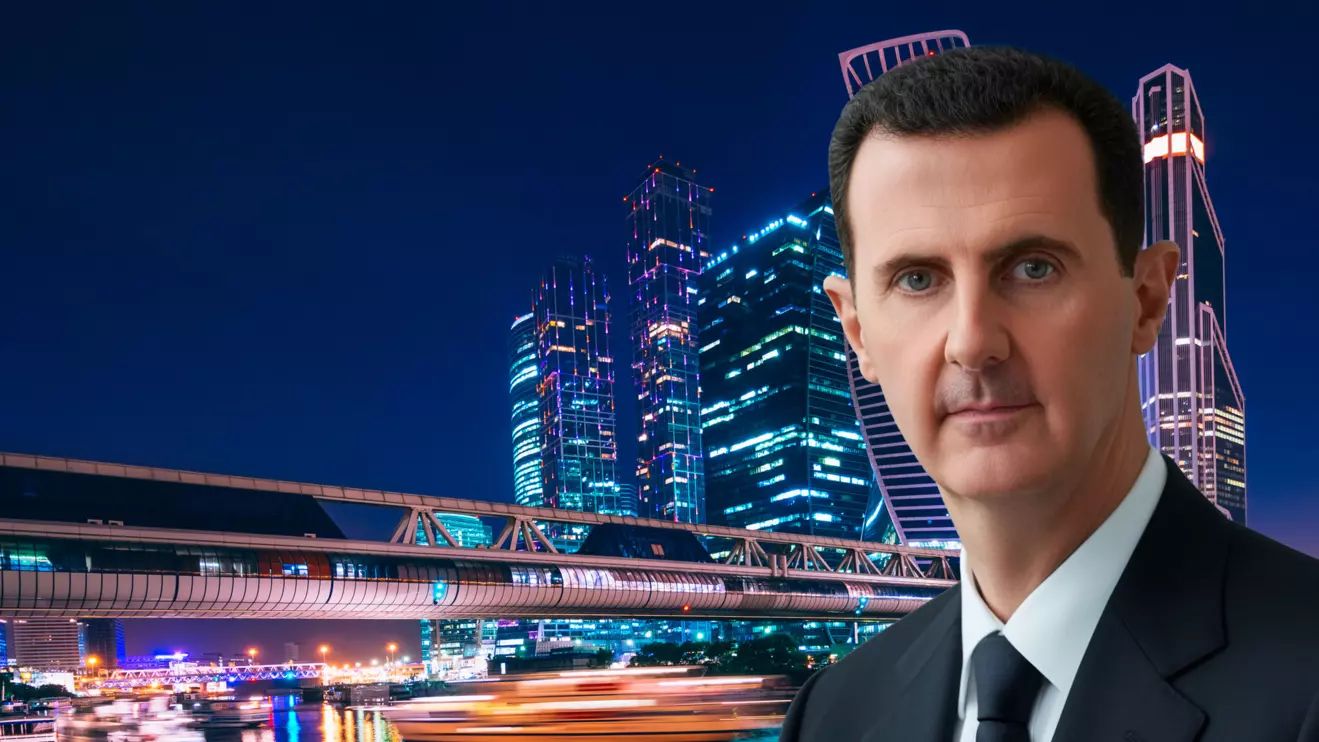
Ousted Syrian president Bashar al-Assad is studying Russian and retraining in ophthalmology while living in Russia, according to a report published Monday by The Guardian, which cited a friend of the family as well as sources in Russia and Syria and leaked data.
Assad, who trained as an eye doctor before entering politics, fled Syria in the early hours of December 8, 2024, as rebel forces advanced on Damascus, the report said.
The Guardian described the family as living an isolated but quiet life of luxury, likely based in Rublyovka, an upscale enclave west of Moscow associated with Russia’s political and business elite.
The report’s central claim, that Assad is returning to medicine, rests on a family friend’s account. “He’s studying Russian and brushing up on his ophthalmology again,” the source told The Guardian, adding that Moscow’s wealthy could eventually be a target clientele. The paper noted that Assad had periodically practiced ophthalmology in Damascus even after becoming president, according to the same source.
Russian officials have not publicly commented on the report’s details.
The Guardian said Assad is barred from public or political activity in Russia, citing a previous statement by Russia’s ambassador to Iraq that Assad cannot engage in political activities or media appearances.
Wealth in Moscow and earlier financial transfers
Questions about the Assad family’s assets in Russia have circulated for years.
In 2019, The Moscow Times reported, citing anti-corruption group Global Witness, that Assad’s extended family and associates owned roughly $40 million worth of luxury apartments in Moscow’s skyscraper district.
Separate reporting has also focused on alleged transfers of Syrian state cash to Russia. The Financial Times reported in December 2024 that Syria’s central bank airlifted about $250 million in cash to Moscow between 2018 and 2019, citing customs and trade data. The report said the shipments involved large quantities of high-denomination dollars and euros.
For many Syrians and human rights advocates, the image of Assad building a new, comfortable life abroad is a bitter coda to a war that devastated the country.
They argue that a leader accused of overseeing torture, chemical attacks and mass killings is now living under the protection of a major power, far from the reach of accountability.