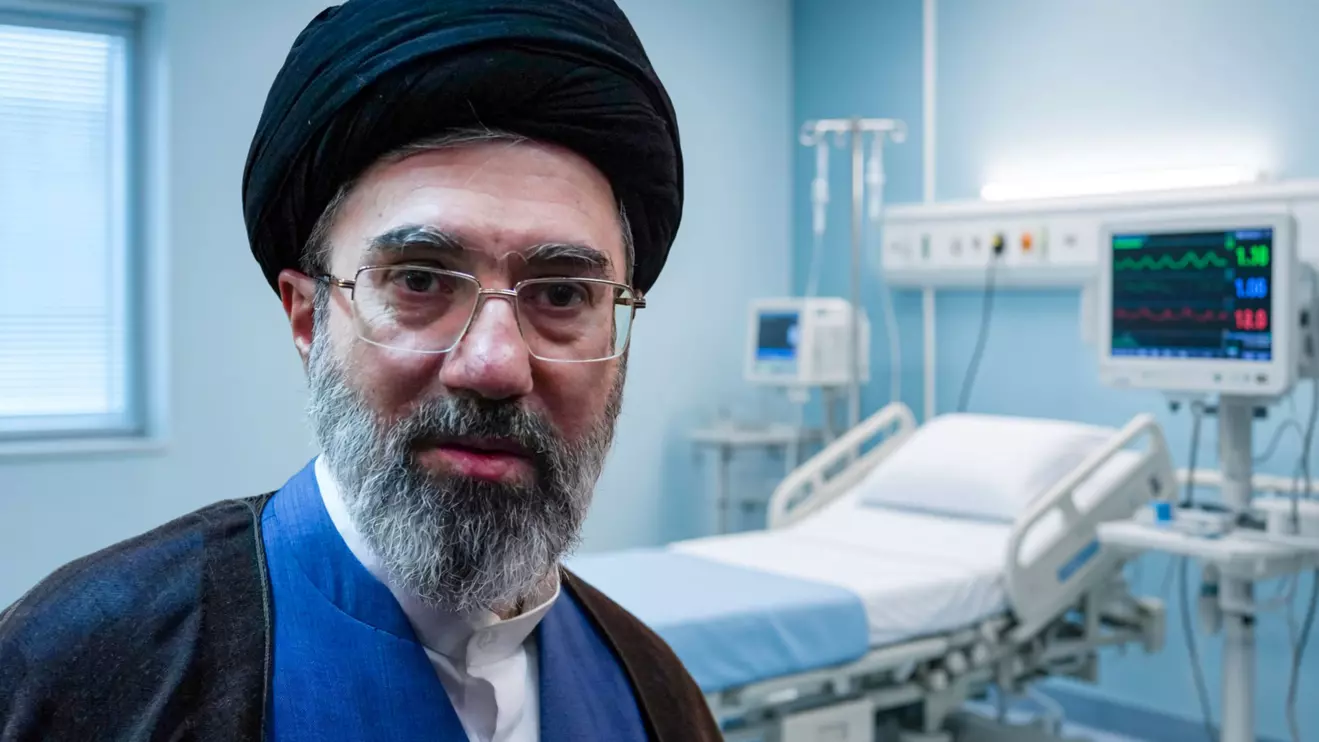
Donald Trump said Wednesday he does "not think" Iran's Supreme Leader Mojtaba Khamenei, who has not been seen in public since late February, "is dead."
"He was very seriously wounded but I don't think he's dead," the US president said during an interview with conservative host Glenn Beck.
Mojtaba Khamenei was wounded in the opening salvo of joint US-Israeli strikes on Iran on February 28, which killed his father, Ali Khamenei, in the same attack. He has not appeared in public since, communicating only through statements attributed to him.
His prolonged absence, amid an ongoing regional conflict, has fueled speculation both about his health and about his standing among Iran's senior leadership.
Such uncertainty is nothing new for the Islamic Republic: the regime has a long track record of obscuring information about the health, whereabouts, or even survival of top officials, releasing carefully managed statements and imagery designed to project stability regardless of the underlying reality.
Tehran has previously denied battlefield losses, downplayed military setbacks, and delayed confirming deaths of senior figures for strategic reasons, a pattern that has left outside observers deeply skeptical of official Iranian narratives, particularly during moments of acute crisis like the one following February's strikes.