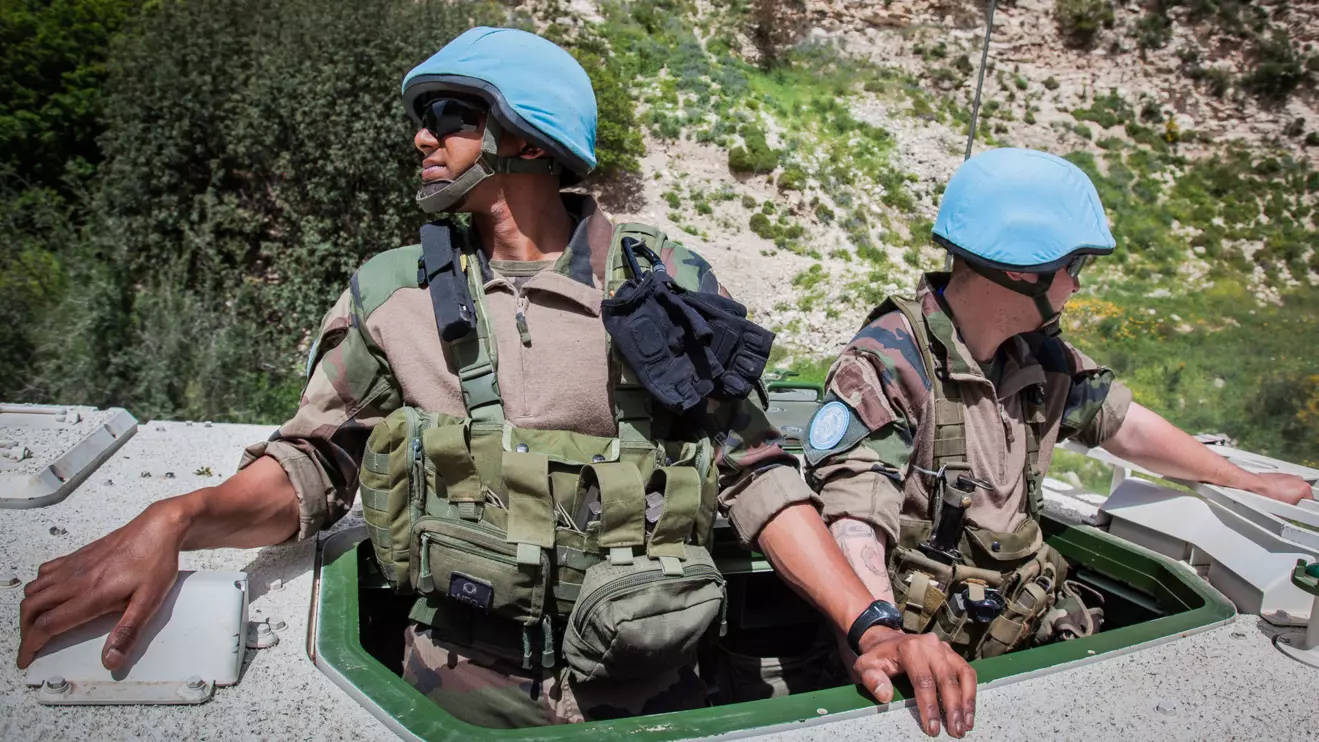
The United Nations Interim Force in Lebanon has sounded the alarm. Both Hezbollah fighters and Israeli soldiers are "firing projectiles and bullets towards or in the vicinity of our positions," UNIFIL spokeswoman Kandice Ardiel warned, actions that have "already tragically caused deaths and injuries" among blue helmets deployed in southern Lebanon.
"We are also extremely concerned about attacks conducted by Hezbollah combatants and Israeli soldiers from areas close to our positions, which could result in retaliatory fire," Ardiel stated. She added that the presence of armed combatants near where peacekeepers live and work placed those locations at direct risk of becoming targets.
UNIFIL called on all parties to "lay down their arms and work seriously towards a ceasefire."
The statement is legitimate. The concern is real. The outrage, however, rings hollow, because UNIFIL itself bears an enormous share of responsibility for the catastrophe it is now desperately trying to escape.
UNIFIL was created in 1978 with a clear mandate: confirm the withdrawal of Israeli forces, restore peace, and help Lebanon re-establish state authority in the south. Nearly half a century later, its record on every one of those objectives is one of comprehensive failure.
Through every year of its deployment, Hezbollah constructed what would become one of the most heavily armed non-state military forces in history, directly in the zone UNIFIL was mandated to keep weapons-free.
The tunnels were dug beneath UNIFIL positions. Rocket stockpiles were assembled in villages where peacekeepers conducted their daily patrols. Weapons were imported, cached and distributed in plain sight.
What did UNIFIL do? It filed reports. It held press conferences. It issued statements of deep concern. It expressed its grave worry. And Hezbollah kept building, kept arming, kept preparing, undisturbed, unconfronted, unchallenged.
Resolution 1701: A Promise That Died on Paper
The most damning chapter of UNIFIL's failure is its response, or rather, its non-response, to UN Security Council Resolution 1701, which ended the 2006 war and explicitly mandated that no armed groups other than the Lebanese state operate south of the Litani River.
Hezbollah did not merely operate there in defiance of that resolution. It governed there. It recruited there. It built an elaborate military infrastructure there, bunkers, command centres, weapons depots, tunnel networks — and launched attacks from there with complete impunity. UNIFIL watched. UNIFIL reported. UNIFIL did not act.
The consequence of that eighteen-year dereliction of duty is now visible in the casualty figures, the displaced populations and the 5,000 missiles, rockets and drones fired at Israel since March 2, from the very territory UNIFIL was specifically established to demilitarise.
UNIFIL's paralysis was not accidental. It was structural. The force operated under rules of engagement so restrictive as to make meaningful intervention effectively impossible. Its contributing nations - including France, Italy, Spain and others - had their own political and diplomatic reasons to avoid confrontation with Hezbollah and, by extension, with Iran.
The organisation became, in practice, a diplomatic alibi, providing the international community with the comfortable fiction that someone was managing the situation in southern Lebanon, while the reality on the ground moved in the opposite direction.
That comfortable fiction has now been shattered. The blue helmets are being struck by fire in a conflict they spent decades failing to prevent. The peacekeepers who kept no peace are now paying for it in blood.