A coalition of Mediterranean and Gulf states, backed by the European Union, has denounced the Libyan parliament’s approval of a 2019 maritime agreement with Turkey, calling the deal “null and void” and a threat to regional stability.
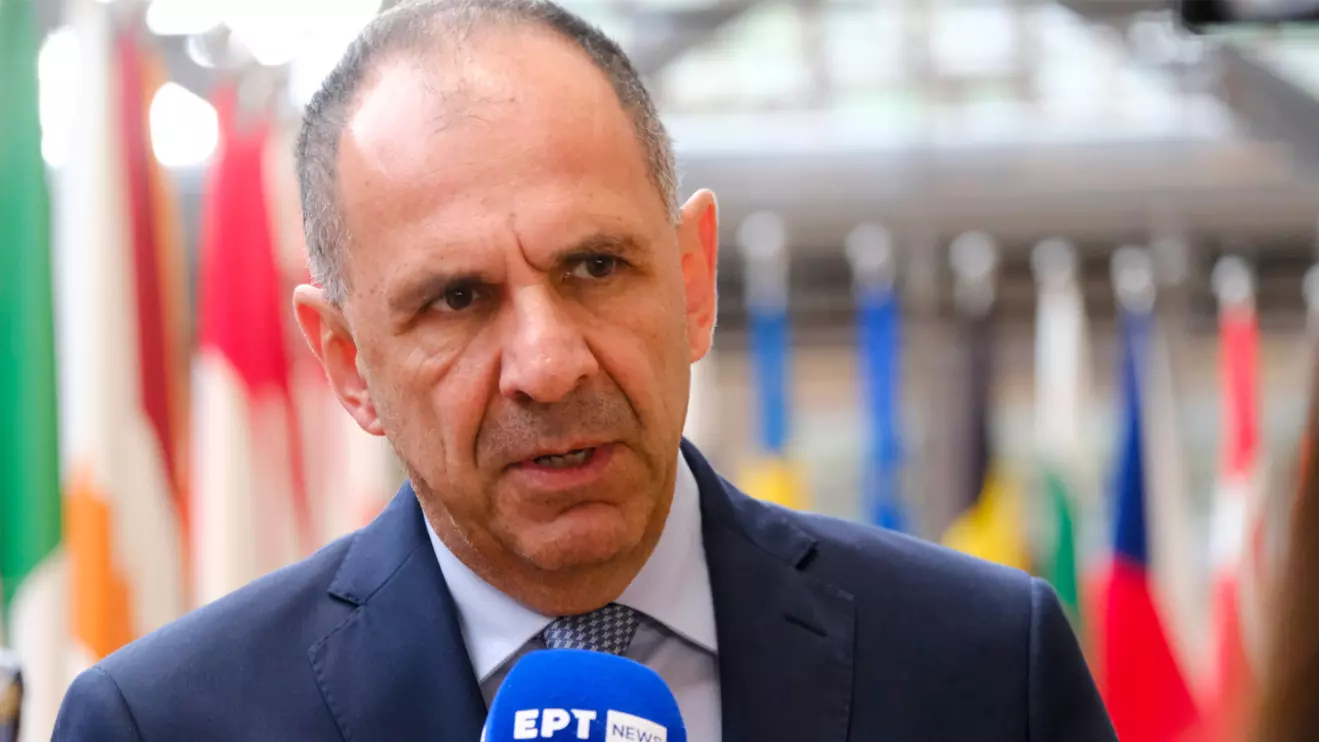
Speaking to the press on Monday on behalf of Bahrain, Cyprus, Egypt, the United Arab Emirates, the EU and his own country, Greek Foreign Minister George Gerapetritis said the decision by Libya’s House of Representatives raised “serious concerns for regional security and stability.”
The memorandum, he said, highlights a broader challenge to the international legal order: preventing “arbitrary bilateral arrangements” from undermining international law or the rights of other states. “The Memorandum remains null and void, contrary to international law, and cannot serve as a lawful basis for maritime delimitation or produce legal consequences for third States,” he said.
Gerapetritis added that Libya’s political transition and its relations with its neighbours must be guided by respect for international law and good-neighbourly relations.
EU: deal breaches the Law of the Sea
The EU’s ambassador, Stavros Lambrinidis, read a statement from the bloc’s foreign policy chief echoing the same position. The Turkey-Libya memorandum infringes on the sovereign rights of third states and does not comply with the Law of the Sea, the statement said, adding that it cannot produce any legal consequences for them.
The EU urged all countries to respect the sovereign rights of its member states under EU and international law, including the UN Convention on the Law of the Sea, stressing its strategic interest in a stable and secure eastern Mediterranean.
A long-running dispute reignited
Signed in November 2019 between Ankara and Libya’s then Government of National Accord, the agreement carves out exclusive economic zones between Turkey and Libya that overlap with waters claimed by Greece, Cyprus and Egypt, in an area believed to hold significant hydrocarbon reserves.
The eastern Libya-based parliament had long rejected the deal, before approving it last week, triggering a wave of protests across the region.
The joint statement marks a rare show of unity between European, North African and Gulf partners, and a clear signal to Ankara that its maritime claims face broad diplomatic resistance.
Turkey has so far responded by offering Egypt a separate maritime deal, which it says would give Cairo more waters than an agreement with Greece.