Lebanese defense officials now say their findings point squarely at Hezbollah’s covert Unit 121 in the killing of veteran Lebanese Forces official Elias Al-Hasrouni, a direct challenge to Hezbollah’s insistence that the 70-year-old died in a routine car accident.
According to officials briefed on the case, the unit allegedly set an ambush near Al-Hasrouni’s home in the southern village of Ain Ibl on the night of August 1, 2023.
Investigators say he was abducted, killed, and then placed back into his vehicle, which was staged to mimic a crash into a roadside tree, an operation meant to bury the killing under the appearance of a tragic mishap.
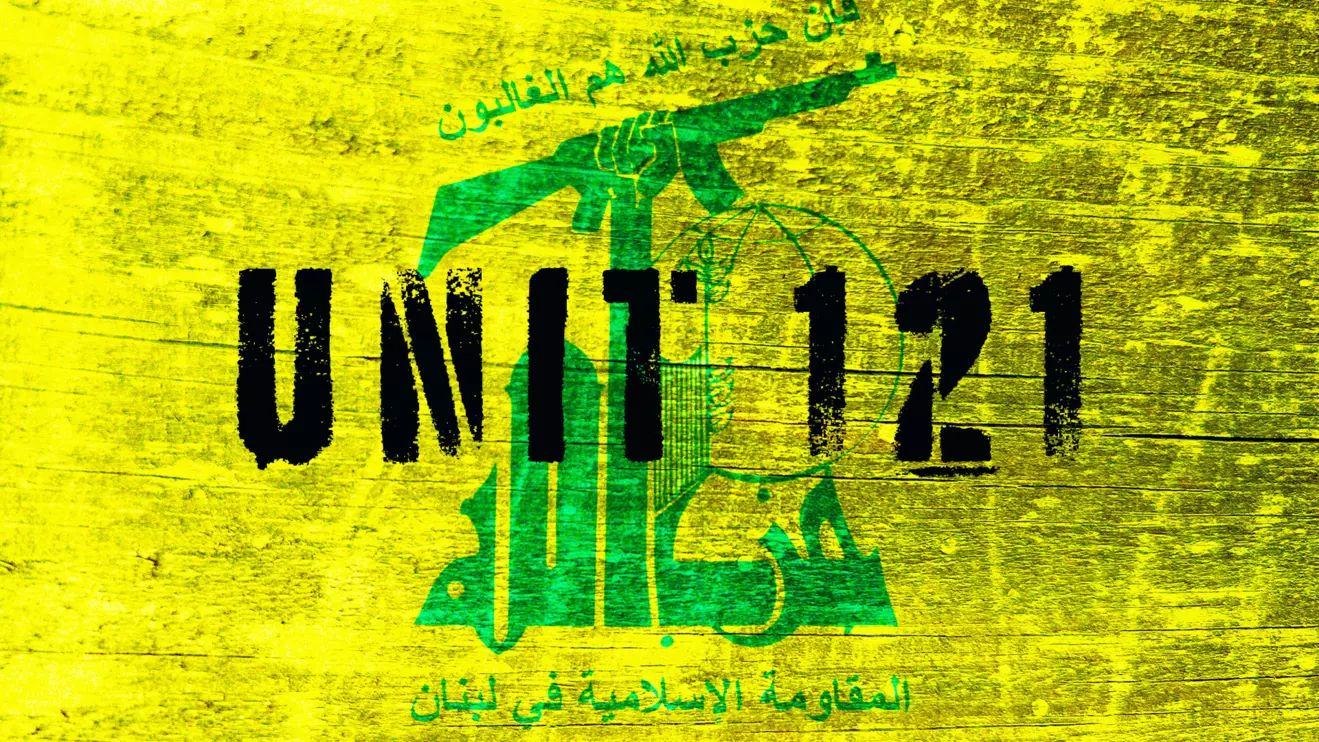
Unit 121 is widely viewed by security analysts as Hezbollah’s quiet enforcer, the internal operations cell tasked with surveilling, pressuring, and, when necessary, eliminating critics.
Its name has surfaced repeatedly in high-stakes investigations, including the 2005 assassination of former Prime Minister Rafic Hariri. In 2020, the UN-backed Special Tribunal for Lebanon convicted Salim Ayyash, identified as the unit’s commander, in absentia for orchestrating Hariri’s killing.
Despite battlefield setbacks and growing public anger at political paralysis, Hezbollah continues to lean on its clandestine networks to project power and intimidate opponents.
For many in Lebanon, the alleged role of Unit 121 in Al-Hasrouni’s death reinforces a long-held fear: that the country’s most heavily armed political actor is willing to cross any line to silence dissent in a nation desperate for stability.