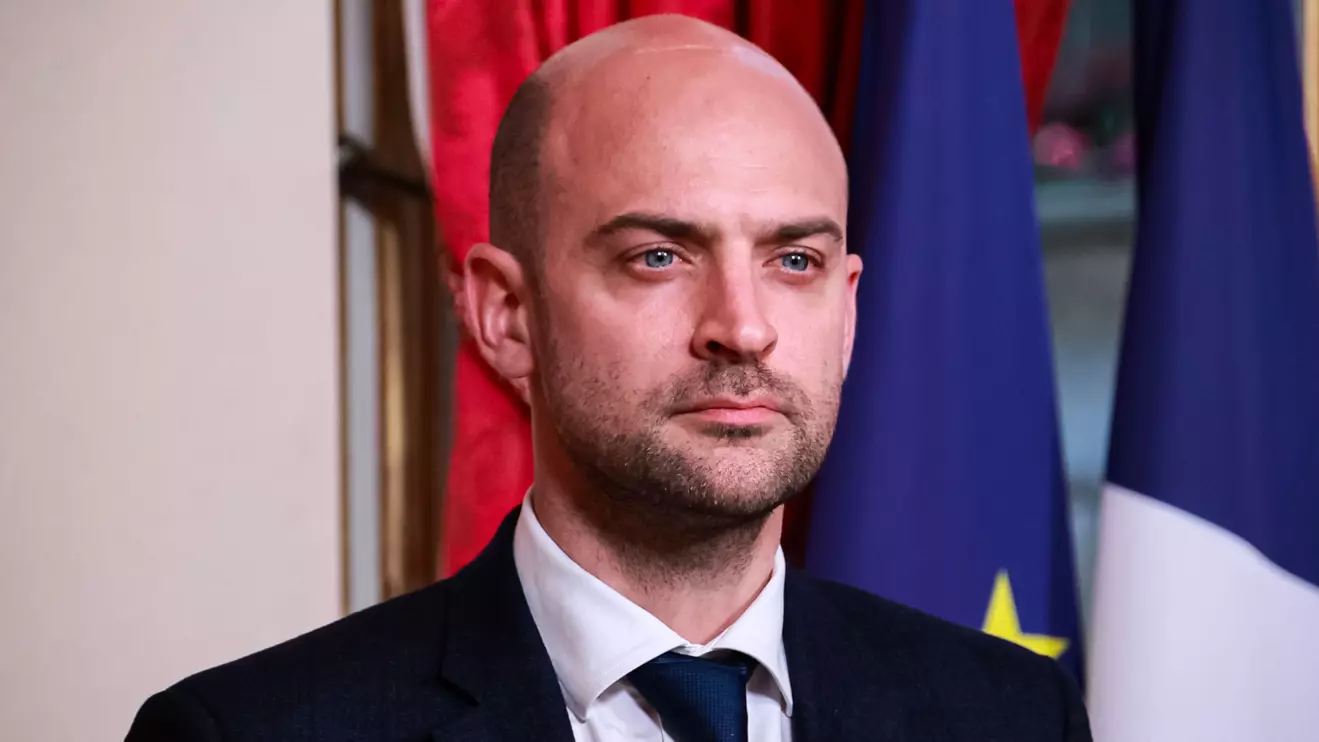
In a statement that raised more than a few eyebrows, French Foreign Minister Jean-Noël Barrot declared on X that President Donald Trump’s new Gaza peace plan “explicitly draws inspiration” from ideas pushed by France and its partners at the UN just last week.
“The plan opens the possibility for silence of arms, release of hostages, massive humanitarian aid into Gaza, and a political horizon that guarantees Israel’s security and the legitimate rights of the Palestinian people,” Barrot wrote — painting the Trump plan as a kind of Macron-branded diplomatic offspring.
There’s just one problem: it doesn’t.
Trump’s proposal is a 20-point outline shaped by months of separate U.S.-led negotiations, with Qatar and Egypt as the key mediators on the ground. France, despite its occasional statements and UN posturing, has played no meaningful role in shaping the current ceasefire framework.
Barrot’s statement suggests one of two things: either he’s wildly misinformed, or he’s trying to insert France into a process it had little to do with. The second option seems far more likely — and far more embarrassing.
While diplomats from Doha, Cairo, Washington, and even Ankara have been shuttling between capitals for over a year, France has largely confined itself to high-minded rhetoric and nonbinding resolutions. That’s not diplomacy — it’s theater.
By claiming ownership of a plan his government didn’t write, didn’t broker, and wasn’t even briefed on ahead of time, Barrot only undermines France’s credibility further. The real mediators — Qatar, Egypt, the U.S. — are now engaged in tough, on-the-ground negotiations with Hamas. France, meanwhile, is busy giving press conferences and posting on social media.
If Paris wants to be taken seriously in Middle East diplomacy, it should start by knowing when not to take the credit.