The recent decision by several countries to recognize the State of Palestine has sparked controversy, largely because none of the conditions for credibility—set out just months ago by French President Emmanuel Macron—have been fulfilled.
Macron had outlined clear prerequisites: the release of all hostages held by Hamas, the demilitarization and exclusion of Hamas from governance, a deep reform of the Palestinian Authority—ending indoctrination of children to hatred and the payment of stipends to terrorists’ families—and, finally, the recognition of Israel by all of its Arab neighbors.
On the ground, however, nothing has changed. Hamas still holds its weapons, maintains control over Gaza, and continues to detain Israeli hostages. Meanwhile, the Palestinian Authority remains weak and has yet to embark on the meaningful reforms demanded by the international community.
For many observers, recognition of a Palestinian state at this stage looks less like progress toward peace and more like a dangerous concession.
Rather than encouraging moderation, it risks emboldening terrorist groups.
Indeed, Hamas official Mahmoud Mardawi openly celebrated the move on Sunday, calling it “a victory” for the legitimacy of their cause. This reaction underscores the concerns voiced by Israel and its allies: recognizing a Palestinian state today effectively strengthens Hamas and undermines the prospects of a genuine peace process.
All Eyes on Macron at the UN
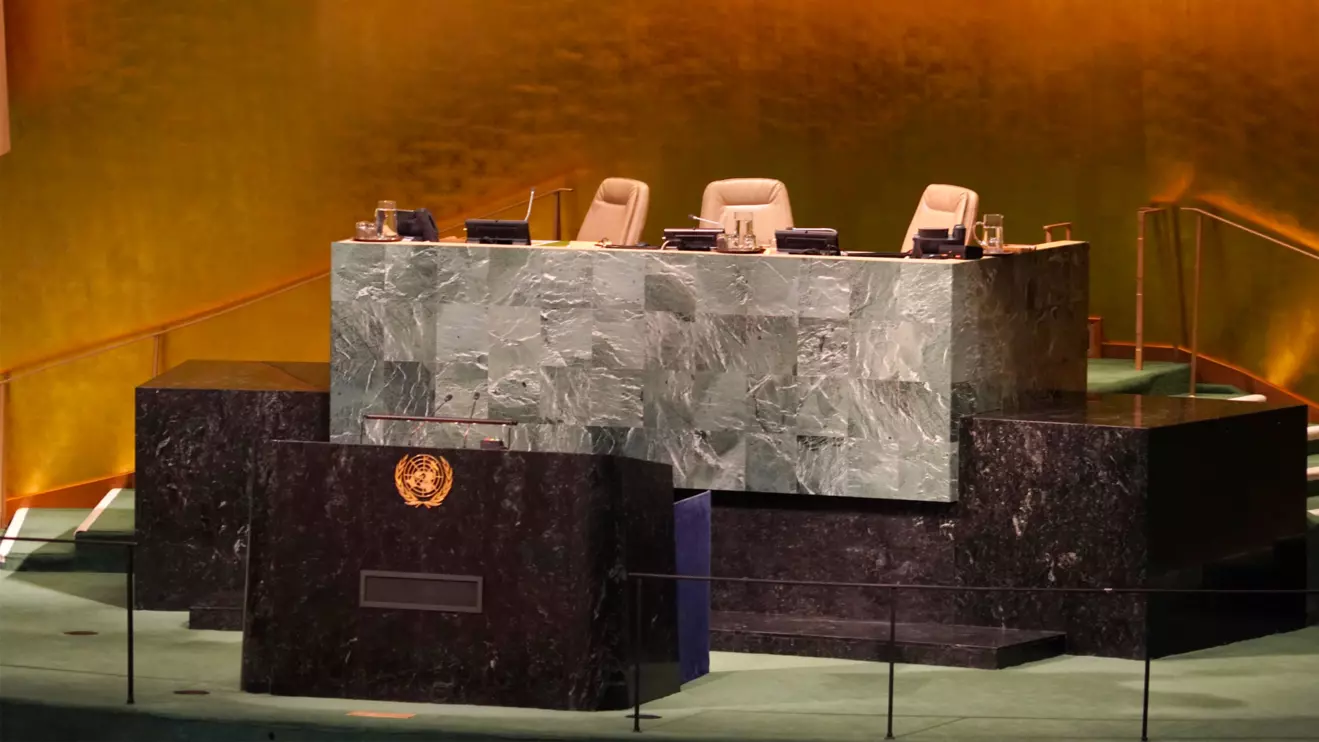
As the driving force behind this initiative, President Emmanuel Macron is scheduled to address the United Nations General Assembly in New York tomorrow.
His words will be closely scrutinized. Will he maintain the firmness he displayed only a few months ago? Will he offer concrete steps to dismantle Hamas and sideline the group from any political role?
These questions remain unanswered. What is clear, however, is that recognizing a Palestinian state under current conditions does not bring peace any closer. Instead, it risks deepening divisions and granting political legitimacy to a terrorist organization.