GCC unveils Schengen-style ‘One-Stop’ travel system

1 min Bruno Finel

The Gulf Cooperation Council (GCC) has approved a major new initiative to streamline cross-border travel across the region. 

The initial phase will apply to air travel between the UAE and Bahrain © Mena Today 

The initial phase will apply to air travel between the UAE and Bahrain © Mena Today 

The Gulf Cooperation Council (GCC) has approved a major new initiative to streamline cross-border travel across the region. 

A “one-stop” travel system, set to launch its pilot phase in December, will first connect the UAE and Bahrain, simplifying travel procedures for Gulf citizens.

Unveiled at the 42nd GCC Interior Ministers’ Meeting in Kuwait City, GCC Secretary-General Jasem Mohamed Albudaiwi explained that the system will allow travellers to complete immigration, customs, and security checks at a single checkpoint, significantly reducing wait times and eliminating redundant inspections.

“This is a major step toward greater regional integration,” said Albudaiwi, speaking to the Kuwait News Agency.

The initial phase will apply to air travel between the UAE and Bahrain. If successful, the system will be expanded to all six GCC states, including Saudi Arabia, Oman, Qatar, and Kuwait.

The system will be powered by a unified electronic platform to track and share travel-related violations across member states, enhancing both efficiency and security.

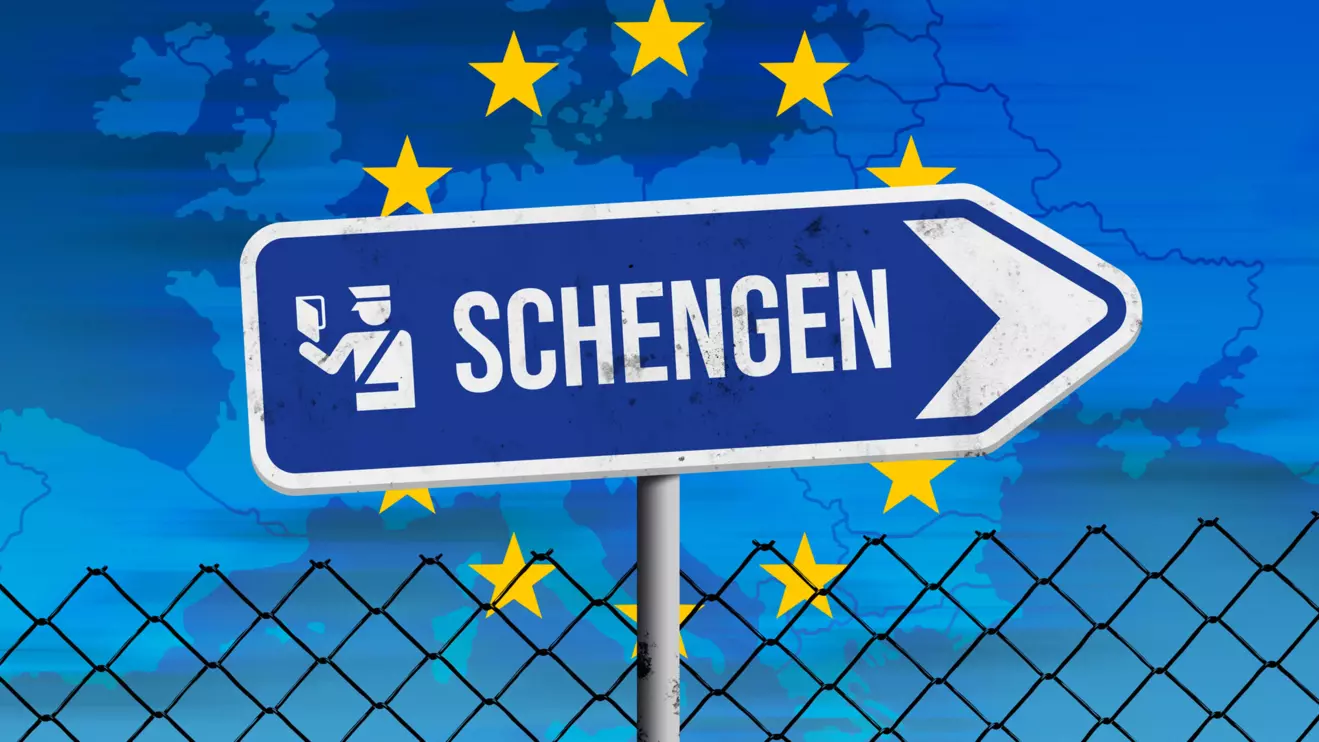
Inspired by Schengen-style coordination in the EU, this move signals a new era of seamless regional mobility in the Gulf, as the GCC pushes for deeper economic and logistical integration.

By Nidal Kwasbehr 

Bruno Finel

Bruno Finel

Bruno Finel is the editor-in-chief of Mena Today. He has extensive experience in the Middle East and North Africa, with several decades of reporting on current affairs in the region.

Related

Diplomacy

Sánchez plays the rebel - Nobody's impressed

Spanish Prime Minister Pedro Sánchez told lawmakers Wednesday that the current Middle East conflict is "far worse" than the Iraq War of 2003, a dramatic claim that says more about his domestic political calculations than any genuine diplomatic insight.

Turkey

Erdogan seeks mediator role

Turkey "is playing a role passing messages" between Iran and the U.S. to encourage de-escalation and direct negotiations, Harun Armagan, vice chair of foreign affairs for President Tayyip Erdogan's ruling party, told Reuters on Wednesday. 

Iran at war

Iran's military shuts down Trump's talks

Israel and Iran exchanged airstrikes on Wednesday, as Iran's military rejected President Donald Trump's assertion the U.S. was in negotiations to end the war which has roiled energy and financial markets, saying the U.S. is negotiating with itself.

Subscribe to our newsletter

Mena banner 4

To make this website run properly and to improve your experience, we use cookies. For more detailed information, please check our Cookie Policy.

  • Necessary cookies enable core functionality. The website cannot function properly without these cookies, and can only be disabled by changing your browser preferences.