Golan Druze break a long-held taboo by turning to Israeli citizenship

1 min Edward Finkelstein

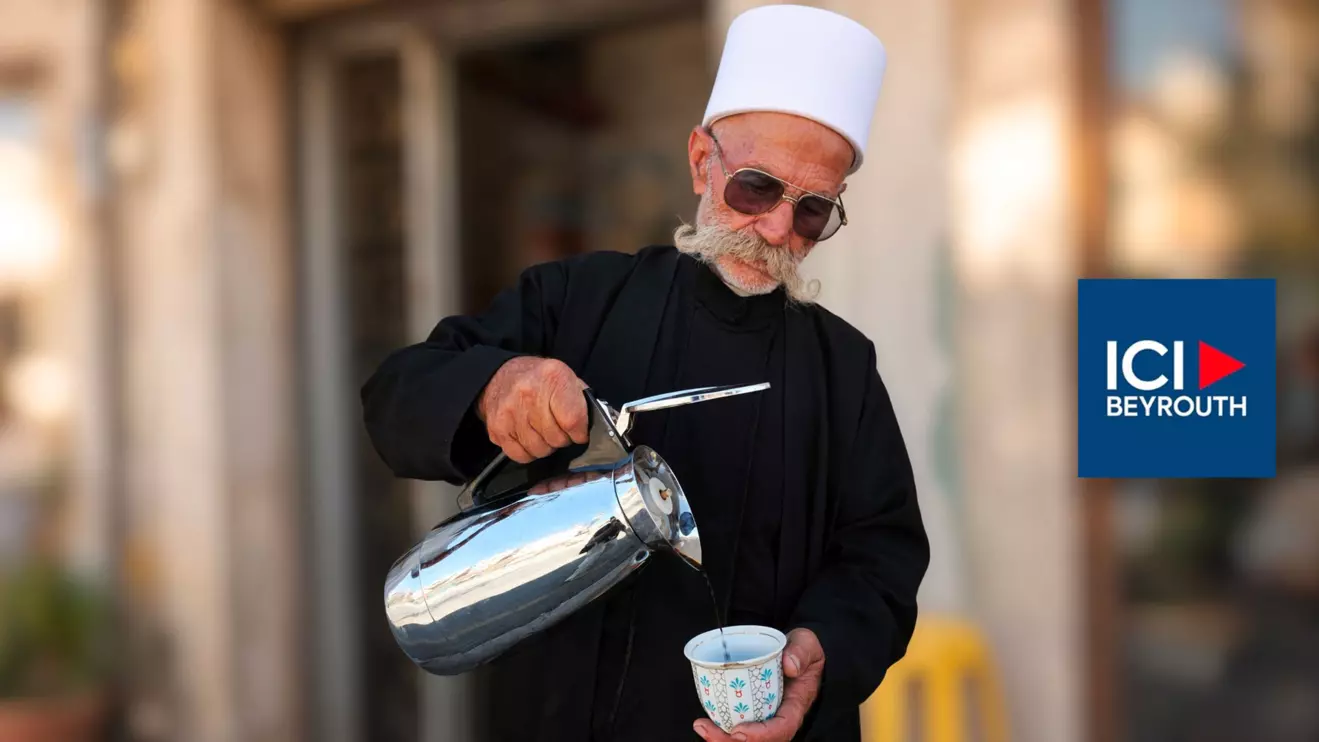
For decades, voting in Israeli elections was off-limits for the Druze of the Golan Heights, who remained loyal to Syria. That taboo is now crumbling: 45% of the community holds Israeli citizenship today, compared with just 2% forty years ago, according to Ici Beyrouth.

With Israelis heading to the polls on October 27, the question of how many Golan Druze will now take part in the vote has taken on new significance © Mena Today 

With Israelis heading to the polls on October 27, the question of how many Golan Druze will now take part in the vote has taken on new significance © Mena Today 

For decades, voting in Israeli elections was off-limits for the Druze of the Golan Heights, who remained loyal to Syria. That taboo is now crumbling: 45% of the community holds Israeli citizenship today, compared with just 2% forty years ago, according to Ici Beyrouth.

Since Israel captured the Golan Heights from Syria in 1967 and later annexed the territory, most of its Druze residents refused Israeli citizenship. Taking it, or casting a ballot in Israeli elections, was met with a social and religious boycott within the community.

That resistance has steadily eroded as successive tragedies have struck the community, prompting a growing number of Golan Druze to reconsider their ties to Damascus and seek Israeli nationality.

The shift, examined by the Lebanese news outlet Ici Beyrouth, is changing the picture in both Israel and Syria. 

With Israelis heading to the polls on October 27, the question of how many Golan Druze will now take part in the vote has taken on new significance.

Tags

Edward Finkelstein

Edward Finkelstein

From Athens, Edward Finkelstein covers current events in Greece, Cyprus, Turkey, Egypt, Libya, and Sudan. He has over 15 years of experience reporting on these countries. He is a specialist in terrorism issues

Related

Gaza

UN rapporteur calls on Jakarta to step back from Gaza board

Indonesia should reconsider its involvement in US President Donald Trump's Gaza peace plan because it is being shaped by Israel and the US and lacks a Palestinian voice, the United Nations special rapporteur on human rights in the occupied Palestinian territories told Reuters on Thursday.

Israel

Israel’s election and the Palestinians: change or continuity?

Israeli Prime Minister Benjamin Netanyahu and his main opponent Gadi Eisenkot both oppose an independent Palestinian state, meaning next week's election is unlikely to produce a sweeping shift in policies that have hampered a decades-old peace process.

Subscribe to our newsletter

Mena banner 4

To make this website run properly and to improve your experience, we use cookies. For more detailed information, please check our Cookie Policy.

  • Necessary cookies enable core functionality. The website cannot function properly without these cookies, and can only be disabled by changing your browser preferences.