Hajj attendance surges despite regional conflict

1 min Philippe Naggar

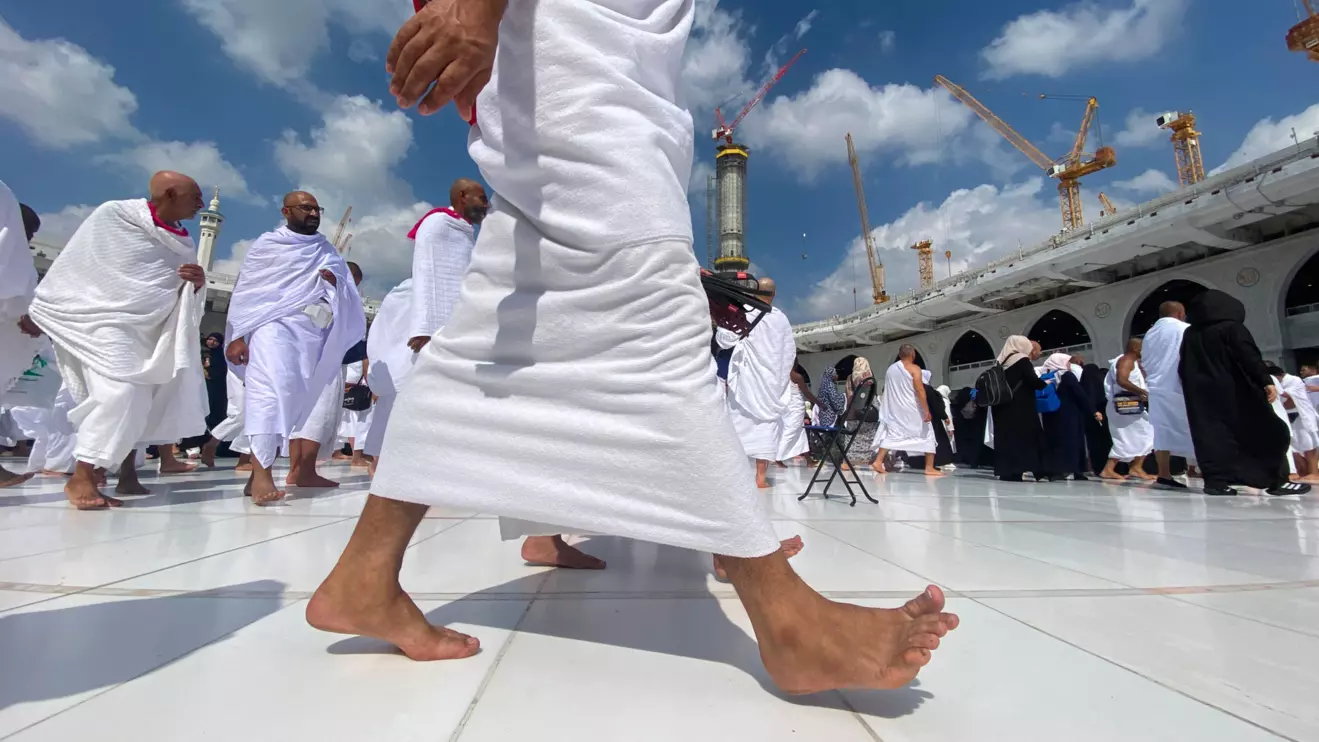
More than 1.5 million Muslim pilgrims have arrived in Saudi Arabia for the Hajj, a figure that already exceeds last year's foreign arrivals, with the pilgrimage itself not beginning until Monday.

Pilgrims in Mecca © Mena Today 

Pilgrims in Mecca © Mena Today 

More than 1.5 million Muslim pilgrims have arrived in Saudi Arabia for the Hajj, a figure that already exceeds last year's foreign arrivals, with the pilgrimage itself not beginning until Monday.

The numbers are striking given the backdrop. The Hajj is taking place under the shadow of regional conflict, following the Israeli-American strike on Tehran on February 28 that prompted Iran to target its Gulf neighbours. The resulting airspace closures, flight cancellations and surge in travel costs had raised serious doubts about attendance levels this year.

That pilgrims have turned out in such numbers is a testament to the centrality of the Hajj in Muslim life, one of Islam's five pillars, obligatory for every Muslim who is physically and financially able to undertake it at least once in a lifetime. Major Gulf carriers from the UAE, Qatar and Bahrain have largely restored their operational capacity after weeks of disruption, easing access to the holy sites.

In 2025, total pilgrims numbered 1.67 million. This year's final count is expected to rise further before the rites begin.

Philippe Naggar

Philippe Naggar

Philippe Naggar is a French-Egyptian journalist. Based in Abu Dhabi, he covers news across the Middle East and the Gulf region. He previously lived for several years in Tehran, giving him a solid expertise on Iran

Related

Lebanon

Lebanon tells displaced families to hold off on returning

Authorities in southern Lebanon warned people displaced by three months of war between Israel and Hezbollah against rushing home on Monday despite a U.S.-Iran deal to end the wider conflict, as Israel said it would not withdraw troops from the south.

Lebanon

The art of the bad deal: Trump's Iran framework explained

Let us call it what it is. The framework agreement on Iran is not a peace deal. It is a capitulation dressed up in diplomatic language, and its most immediate victims are the two countries that have paid the highest price in blood and treasure to confront Iran's aggression: Israel and Lebanon.

Subscribe to our newsletter

Mena banner 4

To make this website run properly and to improve your experience, we use cookies. For more detailed information, please check our Cookie Policy.

  • Necessary cookies enable core functionality. The website cannot function properly without these cookies, and can only be disabled by changing your browser preferences.