Hezbollah torpedoes U.S.-brokered deal

1 min Edward Finkelstein

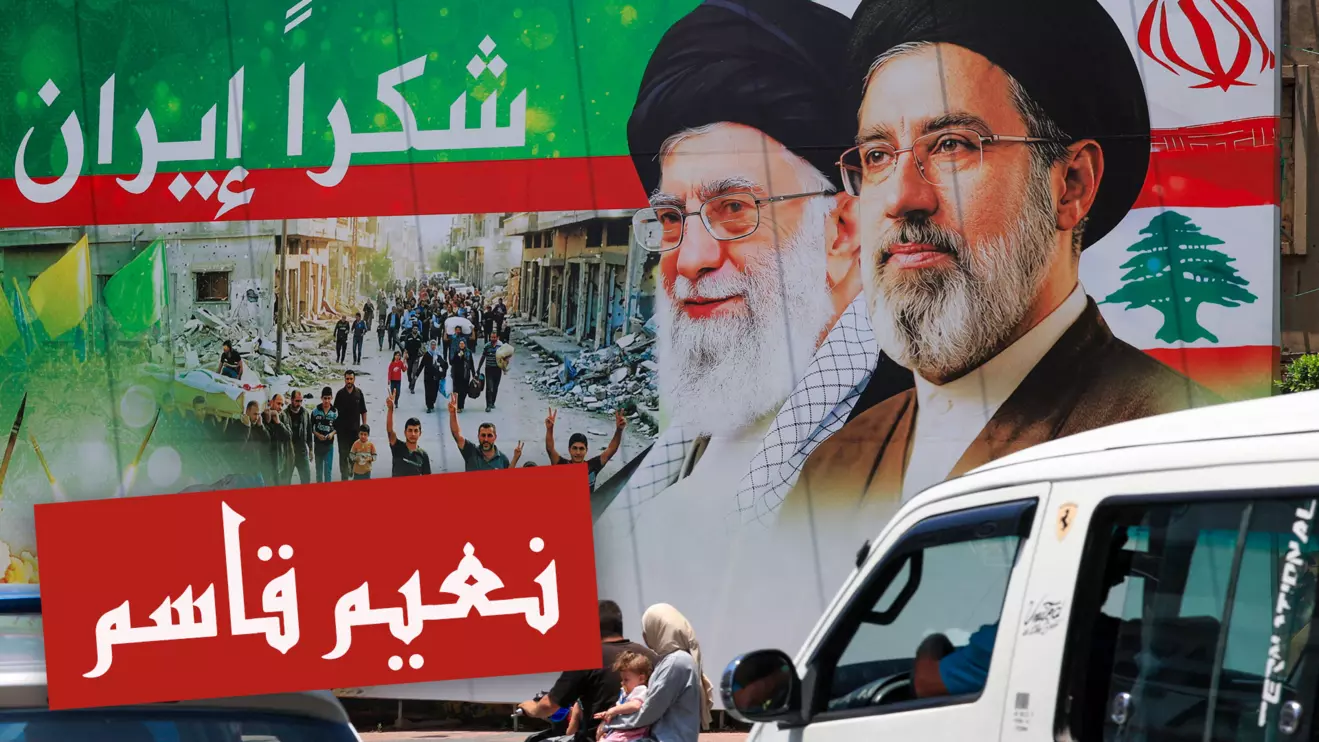
Hezbollah leader Naim Qassem rejected a U.S.-brokered security agreement between Lebanon and Israel on Saturday a day after it was signed, describing it as a surrender to Israel.

The group says it will continue its armed resistance under instructions from Tehran © Reuters/Mena Today 

The group says it will continue its armed resistance under instructions from Tehran © Reuters/Mena Today 

Hezbollah leader Naim Qassem rejected a U.S.-brokered security agreement between Lebanon and Israel on Saturday a day after it was signed, describing it as a surrender to Israel.

The framework agreed on Friday provides for a phased Israeli withdrawal from some parts of southern Lebanon, alongside the deployment of the Lebanese army. But Israeli forces would be permitted to remain in an expanded security zone for the time being, pending further implementation.

In a statement, Qassem called it "null and void", and accused the Lebanese government of making unilateral concessions and undermining Lebanon's sovereignty.

He criticised provisions linking Israel's withdrawal to Hezbollah's disarmament, saying they effectively legitimised Israel's military presence and crossed "all red lines".

The group would continue its armed resistance, he added: "We did not leave the battlefield in the most difficult circumstances, and we will not leave it."

Qassem said the Iran-U.S. memorandum of understanding reached earlier this month, which guarantees Lebanon's territorial integrity, should serve as the basis for ending the conflict, rather than Friday's Washington agreement.

By Jana Choukeir, Eman Abouhassira and Pesha Magid

Edward Finkelstein

Edward Finkelstein

From Athens, Edward Finkelstein covers current events in Greece, Cyprus, Turkey, Egypt, Libya, and Sudan. He has over 15 years of experience reporting on these countries. He is a specialist in terrorism issues

Related

Iran

Tehran rejects abuse claims by French diplomats

Two French diplomats at the centre of a dispute between France and Iran were not ill-treated by Iranian security personnel, according to an Iranian foreign ministry official quoted by state media on Wednesday.

Iran

Tehran is not serious about talks

U.S. Secretary of State Marco Rubio said on Wednesday the United States is still willing to negotiate an end to the Iran crisis but Tehran is not serious about talks, as the widening conflict disrupted two of the world's most critical energy chokepoints.

Saudi Arabia

Red Sea crisis sends Saudi tankers back

Two oil tankers carrying Saudi crude to Asia reversed course in the Red Sea on Tuesday after threats from Yemen's Iran-aligned Houthis, as a widening Middle East conflict disrupted shipping through two of the world's most critical energy chokepoints.

Subscribe to our newsletter

Mena banner 4

To make this website run properly and to improve your experience, we use cookies. For more detailed information, please check our Cookie Policy.

  • Necessary cookies enable core functionality. The website cannot function properly without these cookies, and can only be disabled by changing your browser preferences.