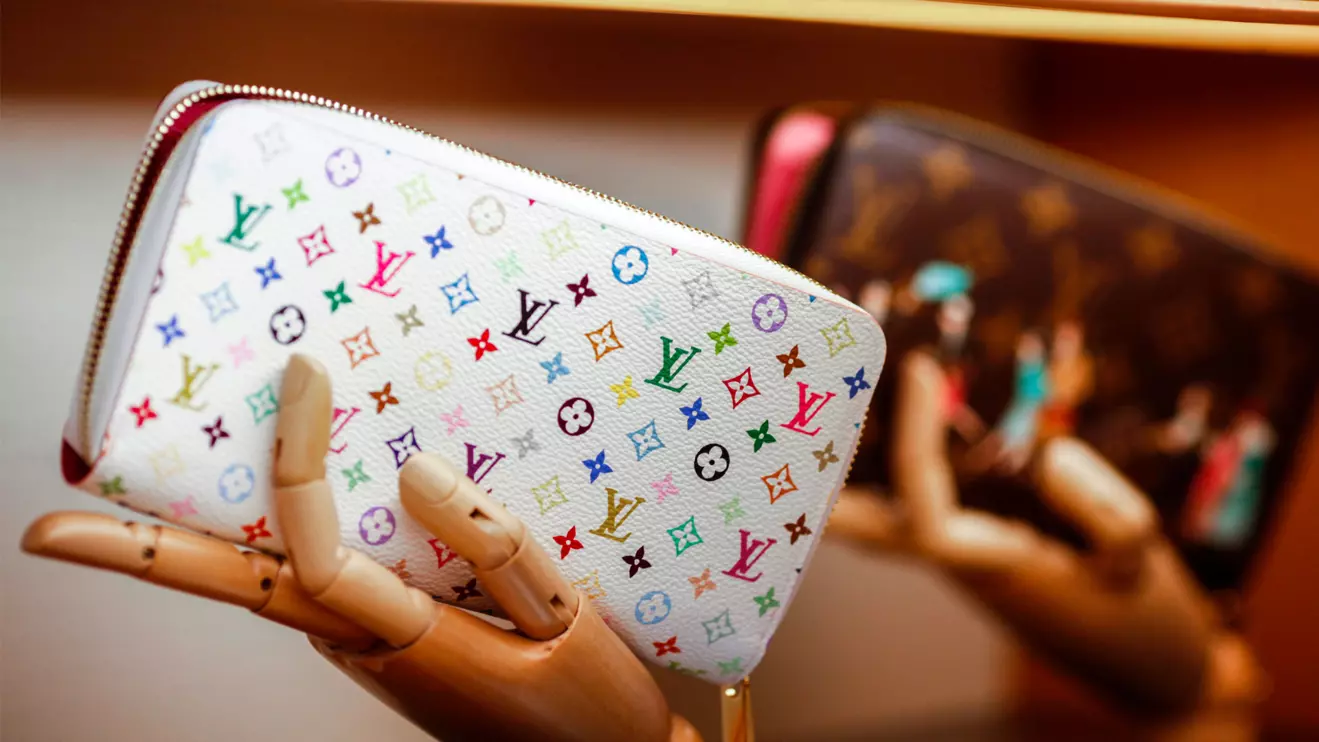
LVMH's most prized division, fashion and leather goods, home to Louis Vuitton and Dior, has reported a 2% decline in organic revenue in Q1, undershooting even the modest contraction analysts had anticipated, according to Gate Advisory, a firm specializing in Financial Intelligence.
The culprit? The ongoing conflict in the Middle East. LVMH itself acknowledged that the war had shaved approximately 1 percentage point off the group's organic growth, a significant drag for a conglomerate that has long relied on Gulf consumers as a pillar of its global sales strategy.
The numbers tell a sobering story. Wealthy shoppers in Abu Dhabi, Dubai, Qatar and Kuwait City, once among the most reliable and free-spending clientele for luxury brands, have largely retreated from the grand malls that once buzzed with activity.
For LVMH, the Gulf region represents far more than a single market. It is a barometer of aspirational consumption, a stage where brands like Louis Vuitton and Dior have carefully cultivated their prestige over decades. When that market stalls, the reverberations are felt across the entire group.
With geopolitical uncertainty showing no signs of easing, the luxury sector faces a delicate balancing act : sustaining momentum in Asia and the Americas while waiting for the Middle East to regain its footing.
The glamour of luxury is proving no match for the weight of war.