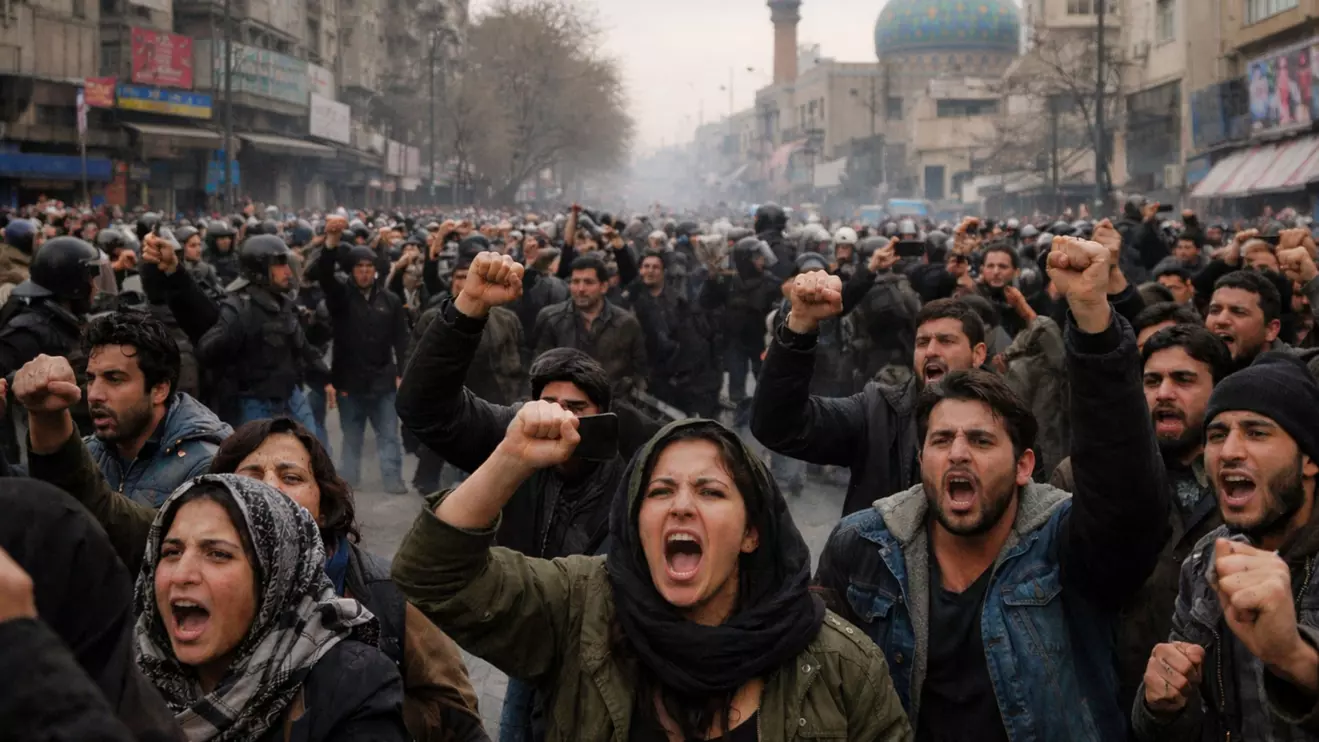
The latest unrest in Iran, which reportedly left several people dead on Thursday, is not an isolated episode. It is the latest expression of a deep and persistent crisis between a population pushed to the brink and a ruling system that has lost its social legitimacy.
The immediate trigger is economic. With inflation hovering around 40 percent, daily life has become a struggle for millions of Iranians.
Wages lag far behind prices, subsidies have been cut, and unemployment remains high. Western sanctions have tightened the squeeze, but years of mismanagement and corruption have hollowed out the economy long before the current pressure peaked.
What makes the moment especially sensitive is the broader context. The protests come just months after Israeli and U.S. strikes targeted Iran’s nuclear infrastructure and senior military figures, underscoring the country’s growing isolation and vulnerability on the international stage. For Iran’s clerical leadership, this combination of external pressure and internal anger is deeply destabilizing.
The ruling religious elite is widely resented. Many Iranians view the system as rigid, unaccountable, and fundamentally disconnected from their daily realities.
Corruption is seen as systemic, while political power remains concentrated in the hands of unelected institutions. Despite this, there is little sign that the leadership intends to step aside or meaningfully reform. Repression, not compromise, remains its primary response.
Yet history suggests that regimes rarely fall from diplomatic isolation alone. Sanctions can weaken a state, but they do not, by themselves, produce change.
In Iran, any real political shift is likely to come only from sustained, nationwide pressure from within. Scattered protests are met with force. Only broad, organized demonstrations across social classes and regions have the potential to alter the balance of power.
For now, Iran stands at a dangerous crossroads. The anger is real, the grievances are deep, and the risks are high.
Whether this unrest fades or evolves into something more decisive will depend on the scale of public mobilization and the willingness of the authorities to continue ruling against the will of the majority. One thing is clear: the status quo is increasingly fragile.