It pumps fuel. It runs supermarkets. It operates banks, hospitals, emergency services and a sprawling network of shell companies across the globe.
It traffics drugs and used cars into Africa. And for decades, it has received billions of dollars from Tehran. Meet Hezbollah, not just a terrorist militia, but one of the most sophisticated financial empires in the world.
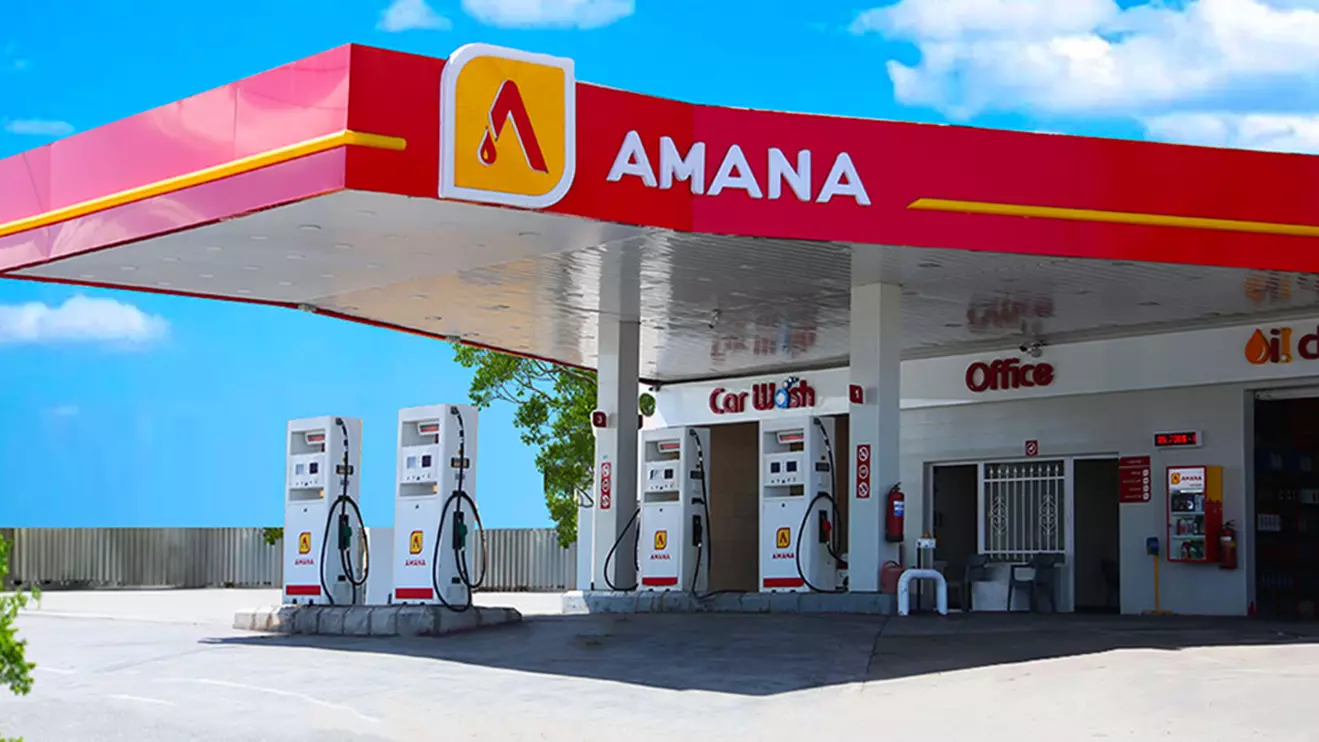
At the heart of this empire, hiding in plain sight on the streets of Beirut's southern suburbs, is a chain of gas stations called Al-Amana - Arabic for "The Trust."
Al-Amana operates primarily in Hezbollah's strongholds: the Dahieh suburb of Beirut, the Bekaa Valley and southern Lebanon.
Its business model is deceptively simple, sell subsidized fuel at below-market prices, buy the loyalty of local populations, and cement Hezbollah's grip on communities that have long since stopped looking to the Lebanese state for anything.
During Lebanon's catastrophic economic collapse of 2019-2021, when fuel shortages plunged the country into darkness and desperation, Al-Amana became a lifeline, distributing Iranian fuel smuggled in direct violation of international sanctions.
Long lines of cars snaked around Hezbollah-controlled neighborhoods while the rest of Lebanon burned. The message was unmistakable: the state cannot help you, but we can.
Multiple Functions, One Master
Al-Amana is far more than a commercial enterprise. It serves as a financial engine generating revenue for Hezbollah's military operations, a social tool deepening community dependence on the militia, a propaganda instrument projecting Hezbollah as a state-within-a-state, and a logistical asset ensuring fuel supply to Hezbollah's military infrastructure.
In short, every tank of fuel sold at an Al-Amana station potentially funds the next missile fired at Israel.
The United States Treasury has not been fooled. Al-Amana and several of its key operators have been placed under American sanctions for their role in financing Hezbollah and circumventing international sanctions against Iran. The designation confirms what Lebanese observers have long known: this is not a commercial network, it is a financial weapon.
But the empire is cracking. Israeli strikes have decimated Hezbollah's leadership, killing commanders, financiers and operatives across Lebanon. The death of key figures who managed the organization's vast financial holdings has created dangerous gaps in the chain of command, and in the flow of money.
Al-Amana's future is now deeply uncertain. Without the protection of a fully functioning Hezbollah command structure, and with Iranian funds increasingly squeezed by war and internal turmoil, the network faces an existential challenge.
The gas stations are still open. The pumps are still running. But the organization that built them, and bled Lebanon dry to sustain them, may never recover.
Al-Amana is one piece of a much larger puzzle. Hezbollah's financial network spans continents, currencies and criminal enterprises.
Dismantling it will require far more than airstrikes, it demands the kind of sustained financial warfare that only the full weight of the international community can deliver.