For four decades, Tehran’s strategy for regional deterrence relied on building an impenetrable "ring of fire" along Israel’s northern border, with Hezbollah serving as its central pillar.
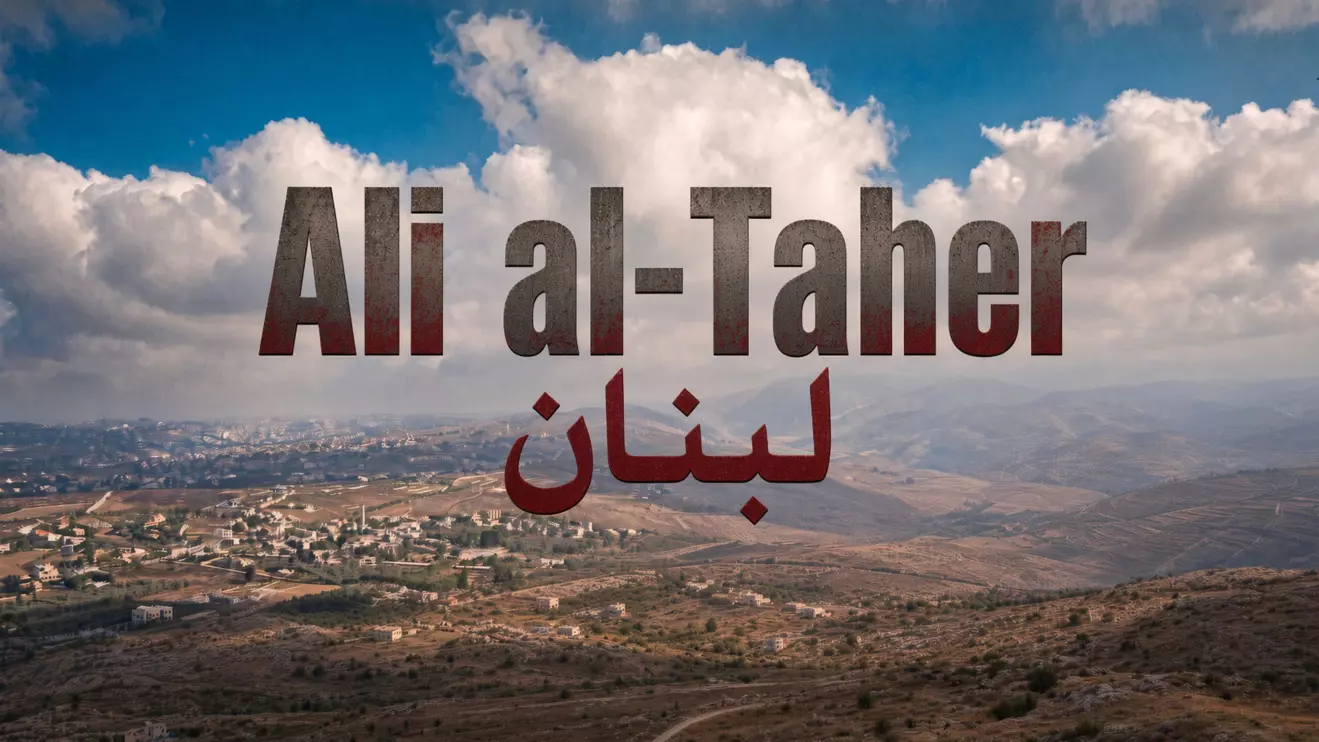
At the core of this network sat the Ali Taher ridge, a formidable mountain installation in southern Lebanon carved 30 to 50 meters into solid rock.
Built over two decades with extensive Iranian engineering and financial backing, the complex housed advanced command-and-control centers, extensive armories, field clinics, and staging grounds overlooking the Litani River and the Hula Valley.
Following a months-long operational siege, the strategic site has fallen to the Israel Defense Forces (IDF), eliminating a primary threat vector intended to facilitate ground incursions into the Galilee.
A Masterclass in Operational Siege Craft
The capture of the complex reflects a significant tactical victory for Israeli ground forces, who prioritized methodical isolation over high-casualty frontal assaults on heavily fortified positions.
* Securing the High Ground: Israeli forces established positions on the ridge on May 31, systematically taking the surrounding terrain and capturing Kfar Tibnit by mid-June to seal off subterranean entry points.
* Containment and Isolation: Rather than risking troops in underground close-quarters combat during delicate diplomatic windows, the IDF instituted a tight perimeter. Ground forces intercepted incoming supply drones, neutralized relief efforts, and deployed sub-surface tactical assets into access shafts.
* Systematic Neutralization: The continuous isolation broke the remaining resistance underground, forcing trapped fighters to abandon the network and leaving the IDF in complete control above and below ground.
Tehran’s Strategic Dilemma
The fall of the Ali Taher complex creates an immediate dilemma for Iranian leadership. Tehran had previously signaled through diplomatic channels that a full-scale assault on the site, where Islamic Revolutionary Guard Corps (IRGC) officers were reportedly embedded, would trigger a major response.
However, shifting regional conditions, including heightened U.S. maritime enforcement in the strait and compounding economic sanctions, have drastically limited Iran’s operational leverage.
Iran now weighs three fraught alternatives:
* Large-Scale Escalation: A direct response risks igniting a broader, high-intensity regional conflict—an outcome that carries severe risks for a regime managing internal economic strain.
* Limited Tactical Strikes: A targeted, symbolic attack risks sparking a disproportionate Israeli retaliation, potentially accelerating the destruction of Iran's remaining forward assets.
* Strategic Inaction: Absorbing the loss avoids immediate escalation but further erodes Tehran’s regional deterrence posture.
As Israeli forces systematically dismantle key military infrastructure along the border, Tehran faces a shrinking window of maneuver, forced to balance its regional posturing against an adversary actively eroding its strategic depth.