Iran
The deal that stops the fighting but solves little
The U.S.-Israeli war on Iran was meant to break the Islamic Republic. Instead, the warring sides are edging towards an interim agreement that would leave Iran battered but not broken.
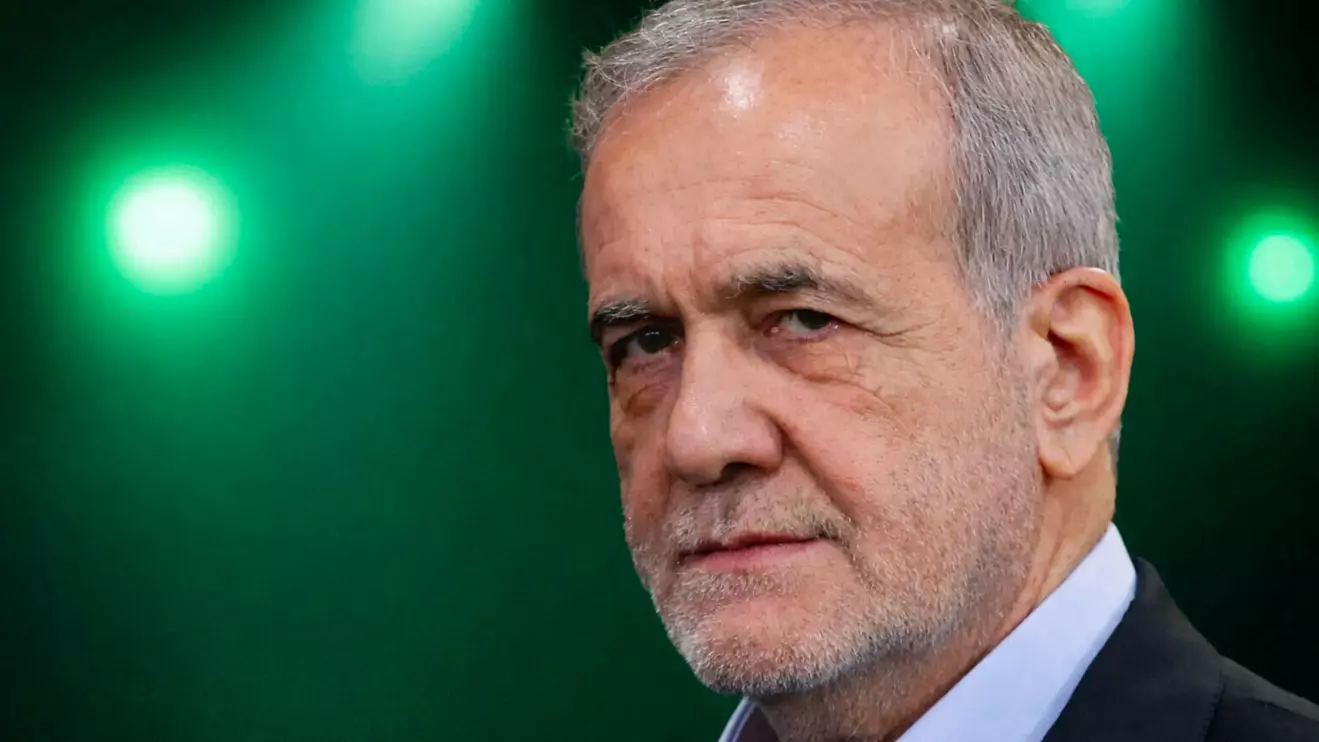
Iranian President Massoud Pezeshkian has accused the United States, Israel, and European countries of waging a “total war” against Iran, in comments published on Saturday, more than six months after Israeli-American strikes on Iranian territory.
Massoud Pezeshkian © Mena Today
Iranian President Massoud Pezeshkian has accused the United States, Israel, and European countries of waging a “total war” against Iran, in comments published on Saturday, more than six months after Israeli-American strikes on Iranian territory.
“In my view, we are in a total war with the United States, Israel and Europe. They want to bring our country to its knees,” Pezeshkian said in an interview with the official website of Iran’s supreme leader, Ali Khamenei.
The remarks come as France, United Kingdom, and Germany move to reinstate United Nations sanctions on Iran over concerns linked to its nuclear programme.
Such statements are widely seen as part of Tehran’s long-standing political rhetoric, regularly used by the Islamic Republic’s leadership to frame external pressure as an existential threat. Iranian officials have often portrayed diplomatic, economic and military tensions with Western powers as a unified campaign against the country.
At home, however, the ruling clerical establishment faces deep and persistent discontent. The regime of the mollahs is broadly unpopular among large segments of the Iranian population, worn down by economic hardship, international isolation and strict social controls.
Protests in recent years have underscored the growing gap between official discourse and public sentiment, highlighting a society increasingly skeptical of the leadership’s confrontational narrative.
The U.S.-Israeli war on Iran was meant to break the Islamic Republic. Instead, the warring sides are edging towards an interim agreement that would leave Iran battered but not broken.
The Israeli military said it had intercepted rockets fired by Hezbollah into Israel on Wednesday, while Lebanese security sources said an Israeli strike hit a car near Beirut, testing a U.S.-mediated deal that aims to get the sides to curb attacks.
Donald Trump is nothing if not an optimist. His latest statements on Iran, declaring that Tehran has agreed never to acquire a nuclear weapon and musing about a future meeting with Supreme Leader Mojtaba Khamenei, project a confidence that is either visionary or deeply puzzling, depending on your vantage point.
To make this website run properly and to improve your experience, we use cookies. For more detailed information, please check our Cookie Policy.
Necessary cookies enable core functionality. The website cannot function properly without these cookies, and can only be disabled by changing your browser preferences.