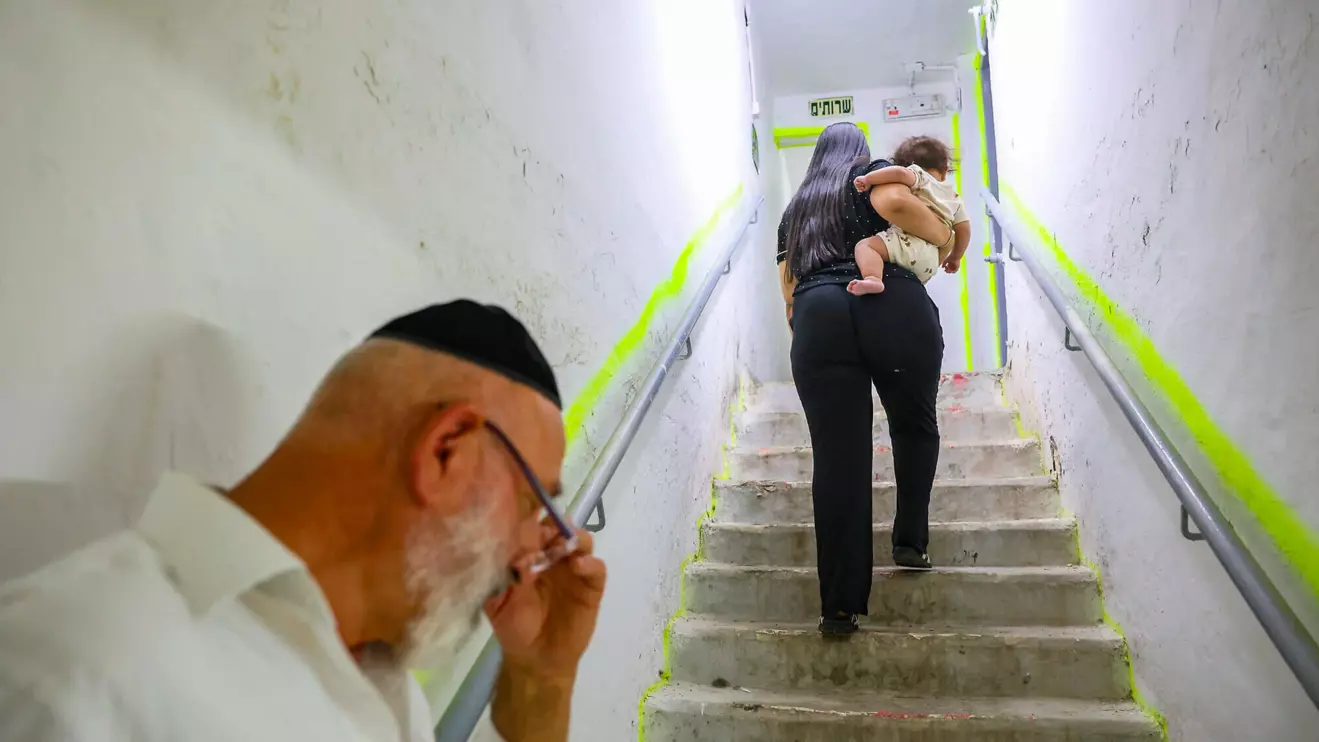
Iran's Islamic Revolutionary Guard Corps launched a ballistic missile attack on northern Israel on Sunday evening, in what it described as a "warning" of a far broader response to come if Israeli and American "aggressions" continue.
The attack came in retaliation for Israeli Defence Forces strikes against Hezbollah positions in Beirut. The IDF said it had successfully intercepted all incoming Iranian ballistic missiles.
President Donald Trump moved swiftly to de-escalate, urging Tehran to step back from the brink. "What I would suggest to Iran: You've shot your missiles, that's enough. Get back to the table and make a deal," Trump told Fox News in a phone interview, pushing for a return to negotiations.
The IRGC's framing of the attack as a mere « warning », with the explicit threat that all US and Israeli targets across the region could be hit if hostilities continue, signals that Tehran is calibrating its response carefully, using military action as diplomatic leverage rather than committing to full-scale escalation.
With missiles intercepted, Trump calling for talks and Iran threatening more, the next hours will be decisive, either a return to the negotiating table, or a dangerous new chapter in a war that has already reshaped the Middle East.