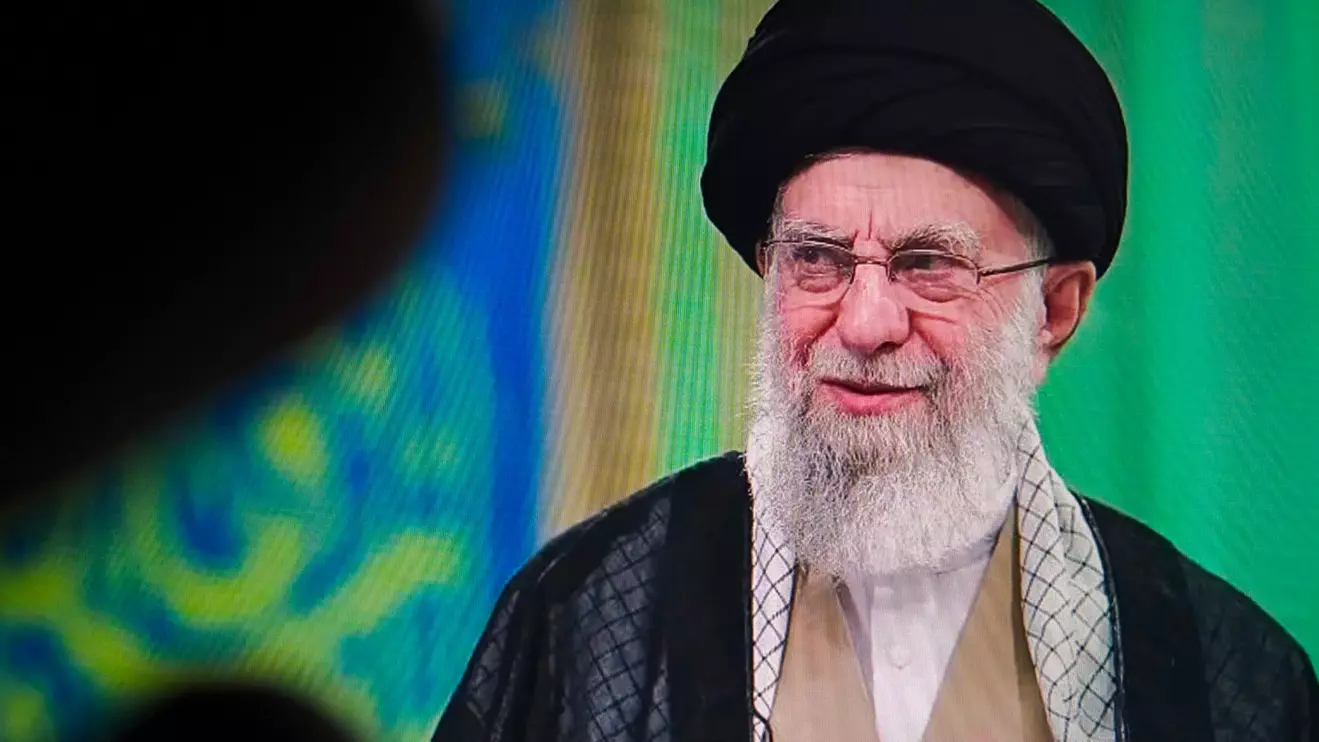
Iranian President Massoud Pezeshkian escalated tensions on Sunday by declaring that any attack against Supreme Leader Ali Khamenei would amount to a declaration of war against Iran itself.
Writing in Persian on X, Pezeshkian framed the Supreme Leader not as a political authority, but as the embodiment of the nation—an old tactic in Tehran’s playbook.
This rhetoric is revealing. It blurs the line between state and clerical power, transforming criticism of leadership into an existential threat.
By equating the fate of Iran with that of one man who has ruled since 1989, the ayatollahs once again shield authority from accountability and suppress dissent through fear.
The statement came in response to remarks by U.S. President Donald Trump, who told Politico that “it is time to find a new leader in Iran,” describing Khamenei as “a sick man” who should stop killing people and govern responsibly. Trump’s language was blunt; Tehran’s response was incendiary.
Threat inflation has long been a cornerstone of the Islamic Republic’s survival strategy. Domestic unrest becomes a foreign plot. Calls for reform become sedition. Criticism of the Supreme Leader becomes war. This is not strength. It is insecurity dressed up as defiance.
The ayatollahs’ rhetoric serves a single purpose: to freeze politics and criminalize change.
By invoking “total war,” the regime aims to silence Iranians demanding dignity, rights, and a future free from repression. It also seeks to rally nationalist sentiment while deflecting attention from economic collapse, social unrest, and brutal crackdowns.
Iran is not Ali Khamenei. A nation of more than 80 million people cannot be reduced to one aging cleric and the security apparatus that sustains him. Equating leadership with the state is a dangerous fiction—one that justifies violence at home and recklessness abroad.
Words matter. When power speaks in threats, it exposes its fear of legitimacy. The louder the ayatollahs shout about war, the clearer it becomes that their greatest concern is not foreign attack—but losing control.