Tehran said on Tuesday it reserved the right to defend itself after US media reported American strikes the previous day on Qeshm Island in the Strait of Hormuz.
Yet Iranian officials stopped short of confirming the strikes had even taken place, a pattern of ambiguity that has long defined the Islamic Republic’s communication.
“The Islamic Republic of Iran retains the right to legitimate self-defence as long as military aggression has not been completely and definitively halted,” Deputy Foreign Minister Kazem Gharibabadi told reporters, according to the Isna news agency. Asked directly about the strikes, he neither confirmed nor denied them.
On the same day, President Masoud Pezeshkian struck a conciliatory tone. “No one will benefit from this war,” he told his cabinet, insisting the government was seeking a way out “through dialogue.” He said the Supreme Leader had granted him powers to address issues “previously considered taboo.”
Threats of retaliation on one side, offers of dialogue on the other: the double message is nothing new. For decades, Tehran has combined public defiance with quiet negotiation, downplaying losses, keeping adversaries guessing and projecting strength while seeking an exit. Strikes go unacknowledged, damage is minimised, and every concession is presented as a victory.
Where is the Supreme Leader?
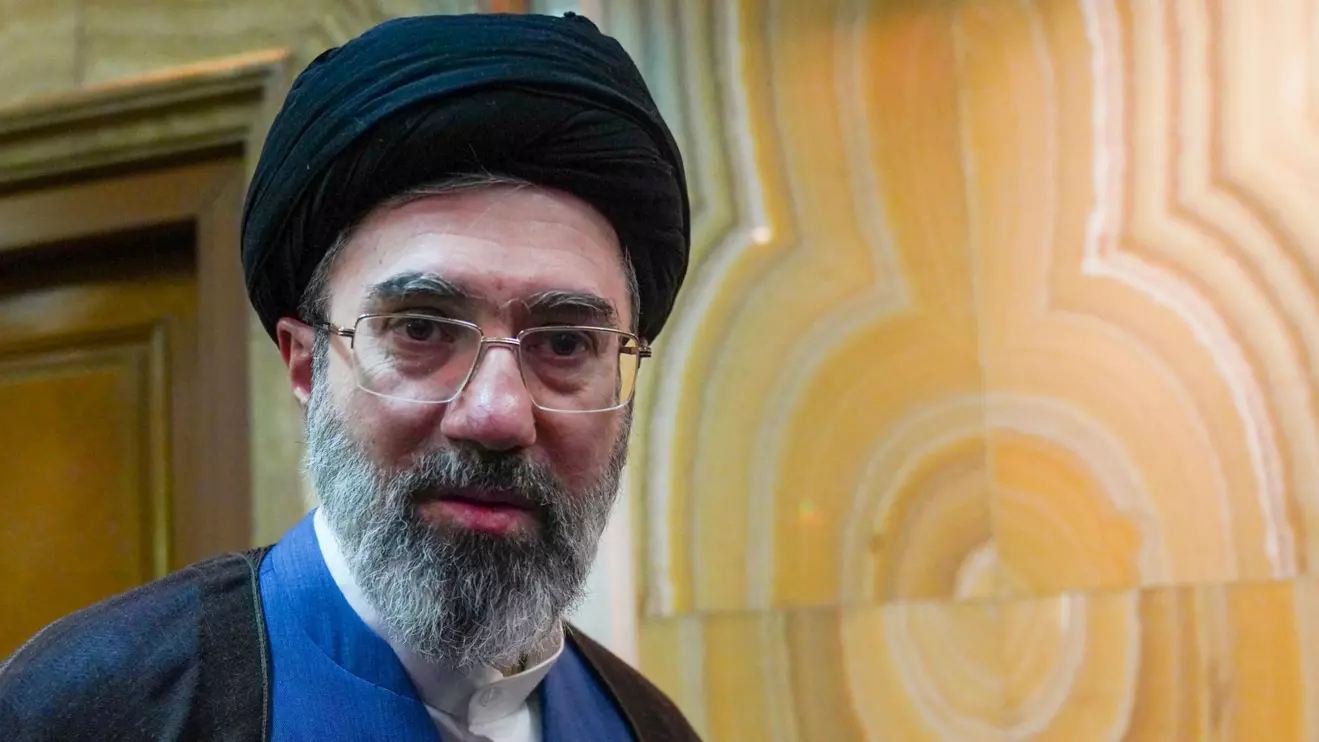
The latest statements also raise questions about who is really in charge. Mojtaba Khamenei, who succeeded his father after Ali Khamenei was killed at the start of the war in February, has issued written warnings to Washington but has rarely, if ever, been seen in public. His prolonged absence from view has fuelled speculation about his health and his ability to govern, speculation Tehran has done nothing to dispel.
The president’s claim that he has been handed new negotiating powers by an invisible Supreme Leader only deepens the mystery.
A regime that hides more than it tells
Opacity is not a weakness for the Islamic Republic: it is a method. By refusing to confirm attacks, concealing the state of its leadership and alternating threats with overtures, Tehran seeks to buy time and keep its options open.