Iran launched fresh strikes across the region on Friday, retaliating after another night of US bombardment on its territory, claiming attacks on facilities used by American forces in Bahrain, Jordan and Kuwait.
Fighting between Tehran and Washington resumed on July 7, centered around the Strait of Hormuz, a critical chokepoint for global oil trade.
Washington has refused to accept Iranian control over the waterway since the war began, while on the other side of the Arabian Peninsula, Yemen's Houthis have announced a blockade in the Red Sea and Gulf of Aden targeting Saudi Arabian vessels.
Oil prices, which had surged Thursday, eased Friday, with Brent crude falling back below $100 a barrel, though still far from the calm that followed a US-Iran memorandum of understanding signed in mid-June.
"This morning, Arash kamikaze drones targeted fuel tanks, large equipment warehouses, silos and barracks of the terrorist American army at Isa Air Base in Bahrain," Iran's military said, according to state television. Bahrain's military said in a statement it had thwarted "several Iranian aerial attacks."
Iran's Revolutionary Guard Corps also claimed to have destroyed an Amazon data center in Bahrain , a claim neither the tech giant nor Bahraini authorities have commented on — and said it caused "significant damage" to a US Fifth Fleet surveillance tower.
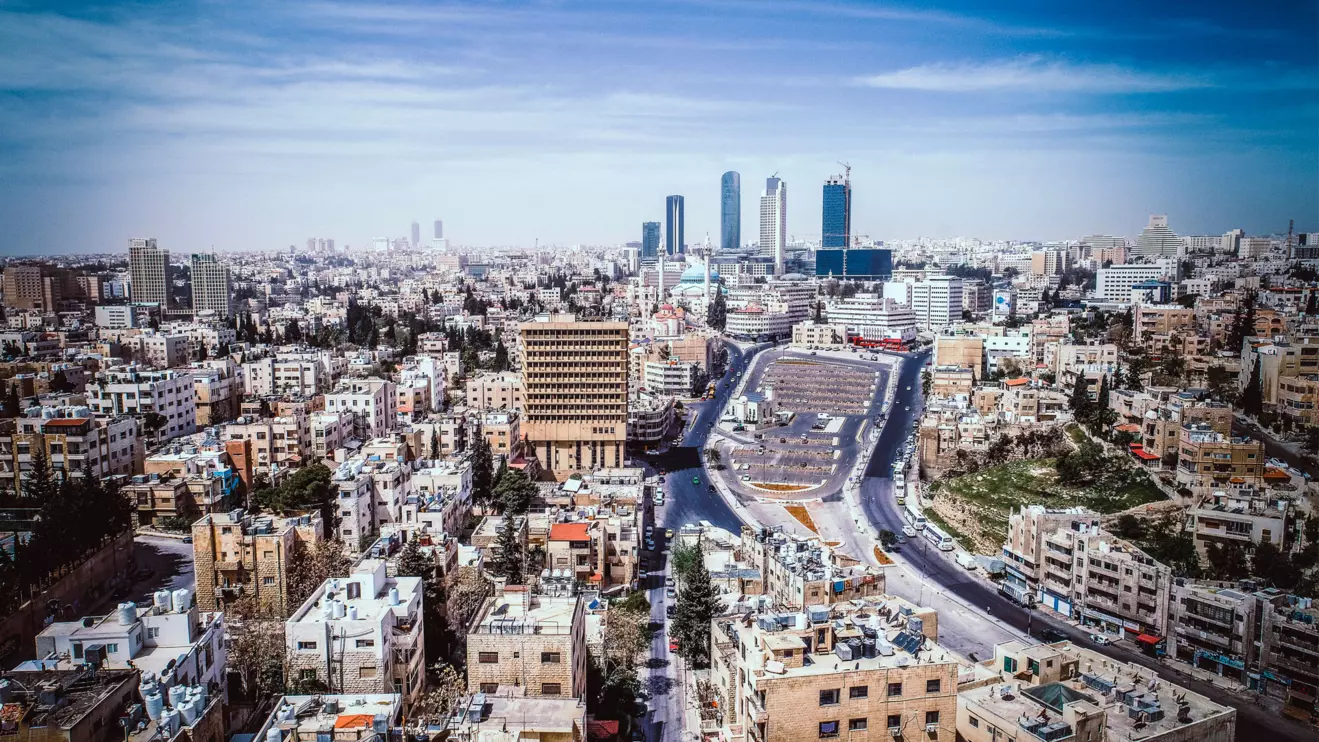
A reporter in Bahrain reported an explosion and air raid sirens sounding across the kingdom. Iran also claimed drone strikes on Jordan, targeting "aircraft hangars, aviation maintenance facilities and barracks" at Al-Azraq base.
Jordan's military said it shot down seven missiles and six drones fired from Iran. In Kuwait, Iran said it destroyed US "equipment depots" at Camp Udairi as well as facilities at Camp Arifjan, while the Revolutionary Guards said Ali al-Salem air base was also targeted.
Iran considers any facility in the Middle East used by US forces a legitimate target, and the Revolutionary Guards urged civilians across the region Friday to stay away from sites housing American troops. Foreign Minister Abbas Araghchi said Iran reserved the right to take "all necessary measures" against any country "participating, cooperating or assisting" the United States.
Overnight, the US military, which has not confirmed any attacks on its bases, announced a new round of strikes on Iran. Iranian media said the strikes hit eight provinces, including Markazi, Yazd and Isfahan, pushing deeper into Iranian territory after previously focusing on areas near the Gulf.
The dispute over control of the Strait of Hormuz, through which a fifth of global oil trade normally passes, triggered the resumption of hostilities.
Iran wants to impose transit fees and permit only a single route along its coastline, threatening any vessel that violates the restriction, prompting the US to impose a naval blockade on Iran in response. In the Red Sea, the Iran-backed Houthis claimed attacks Thursday on two Saudi oil tankers, opening a new threat to shipping through the Bab el-Mandeb strait, whose importance has grown since Hormuz was blocked.