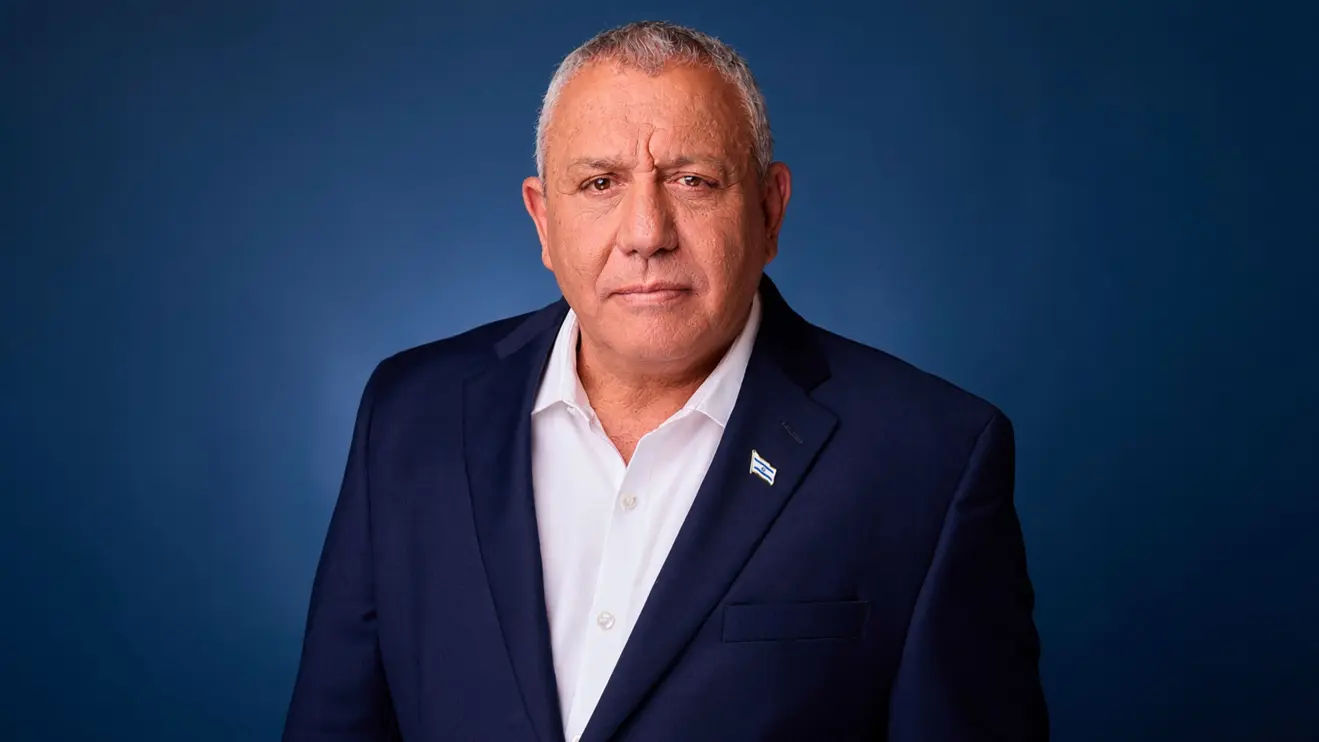
Gadi Eisenkot, the centrist tasked with forming Israel’s next government, has invited outgoing Prime Minister Benjamin Netanyahu’s Likud to coalition talks starting Sunday. Likud quickly responded with a list of conditions.
Eisenkot’s Yashar party said the move reflected “a real commitment to forming the broadest possible government” and was meant to “consider all options.” Negotiators from both parties had already met last Sunday. Eisenkot has said he is open to governing with Likud members, but he has ruled out joining a coalition led by Netanyahu.
Likud, which favours a national unity government, demanded an end to “all personal attacks and incitement” against Netanyahu. It also wants both camps to commit to a coalition made up of parties that support Israel “as the nation-state of the Jewish people.” That formula excludes the Arab parties, which hold 19 seats and oppose Netanyahu.
Likud also proposed guiding principles for a unity government. They include rejecting a Palestinian state, keeping Israeli-held zones in Syria, Lebanon and Gaza, and reaching agreement on military conscription of ultra-Orthodox Jews.
The anti-Netanyahu bloc is divided. Some favour an alliance with the ultra-Orthodox parties, others a pact with the Arab parties, and others a unity government with Likud. Former Prime Minister Naftali Bennett, a key Eisenkot ally, said on Saturday that his party would not join “Netanyahu or his bloc, under any circumstances.”
Eisenkot’s bloc holds 48 seats in the 120-member Knesset, short of the 61 needed for a majority. He has until next month to form a government. On Friday, he said he would not let talks drag on and was ready to put a minority government to a parliamentary vote.