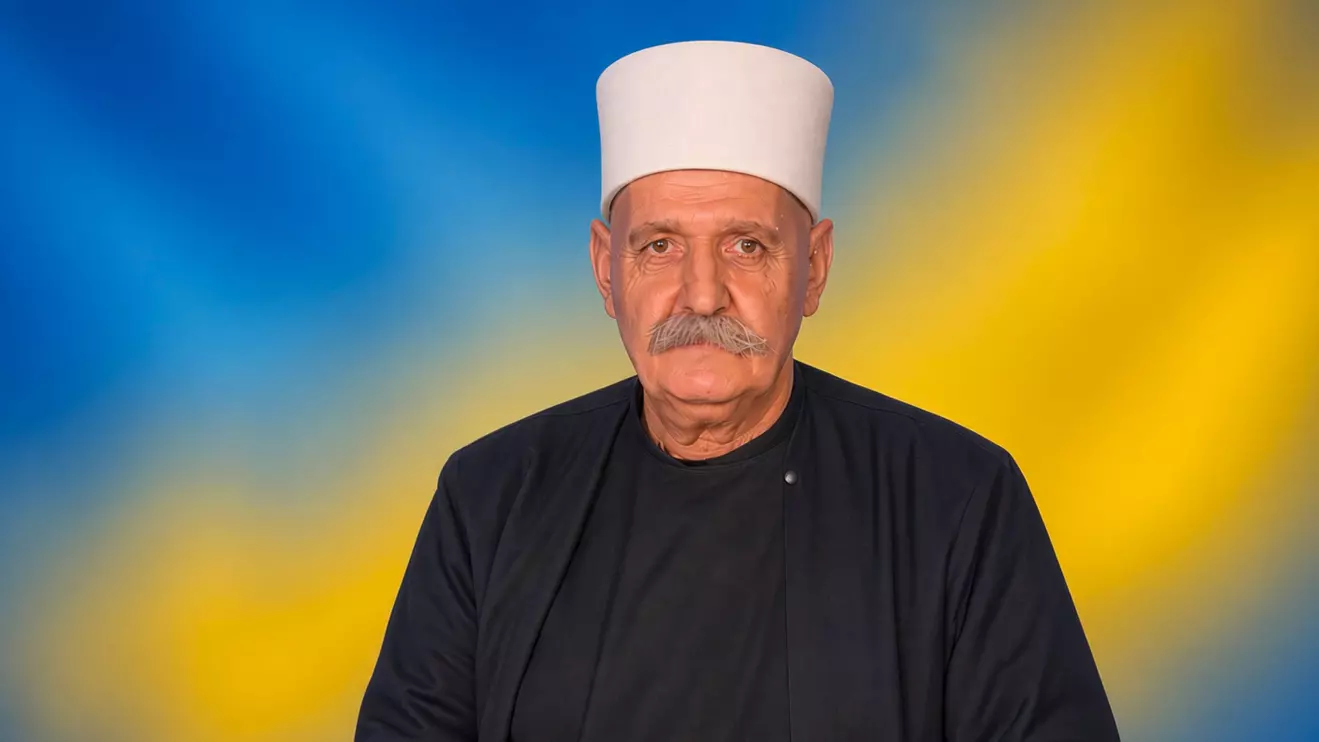
Sheikh Rafeh Halabi, a senior figure in Israel’s Druze community who presents himself as dean of the descendants of the Prophet (Naqib al-Ashraf) for Jerusalem and president of the Jerusalem branch of an international human-rights organization, has sent a letter to U.S. President Donald Trump calling for immediate American action to halt what he describes as the starvation and extermination of Druze in Syria’s Sweida province.
In unusually harsh language, Halabi brands Syria’s transitional president, Ahmad al-Sharaa, and his government as terrorists responsible for atrocities against Druze, Kurds and other minorities, and explicitly calls for al-Sharaa’s removal.
He accuses forces loyal to Damascus of imposing a total blockade on Sweida, cutting food and fuel and leaving electricity off in dozens of villages for about ten months. According to the letter, some 200,000 people are sheltering in Sweida after what Halabi calls the forced occupation and looting of Druze villages. Remaining supplies of flour and vegetables, he writes, will last only a few more days.
What Halabi asks of Washington
The letter lists several concrete demands:
- Immediate opening of a humanitarian corridor to Sweida, which Halabi says he has already raised in earlier correspondence
- Airstrikes on checkpoints he alleges are used to enforce the siege
- Support for a Syrian government “acceptable to Syrian society”
As an alternative, he proposes annexing the entire Sweida district to Israel, together with a secure humanitarian corridor of roughly 12 kilometers from the Jordanian border along the Daraa–Sweida line.
He also warns, without offering evidence, that al-Sharaa and allied jihadist factions are preparing a large-scale assault on Israel using fighters recruited from Jordan, Syria, Lebanon and Muslim communities in Western countries, including the United States.
Context in Sweida
The appeal comes amid renewed tension in the Druze-majority southern province. Since the fall of Bashar al-Assad, Sweida has seen repeated deadly violence, including clashes in July 2025 between Druze fighters, Bedouin tribes and government forces that left hundreds dead. Israel has carried out strikes it says were intended to protect Syrian Druze; those operations have at times drawn criticism from the Trump administration, which has pressed Jerusalem not to undermine post-Assad stability in Syria.
Halabi’s letter reflects a broader campaign by parts of Israel’s Druze community for Washington and Jerusalem to take a harder line against Damascus over the humanitarian and security situation in Sweida.
Independent reporting has documented a prolonged standoff, restricted aid, damaged infrastructure and large-scale displacement since the 2025 fighting, though accounts differ on responsibility and on whether a full “extermination” campaign is under way.
The Trump administration has not publicly responded to Halabi’s latest letter. U.S. envoy Tom Barrack has recently urged restraint in Sweida and continued to treat a government-backed reintegration roadmap as the preferred path, even as local Druze authorities under Sheikh Hikmat al-Hijri resist Damascus’s authority and some voices in the community look to Israel for protection.