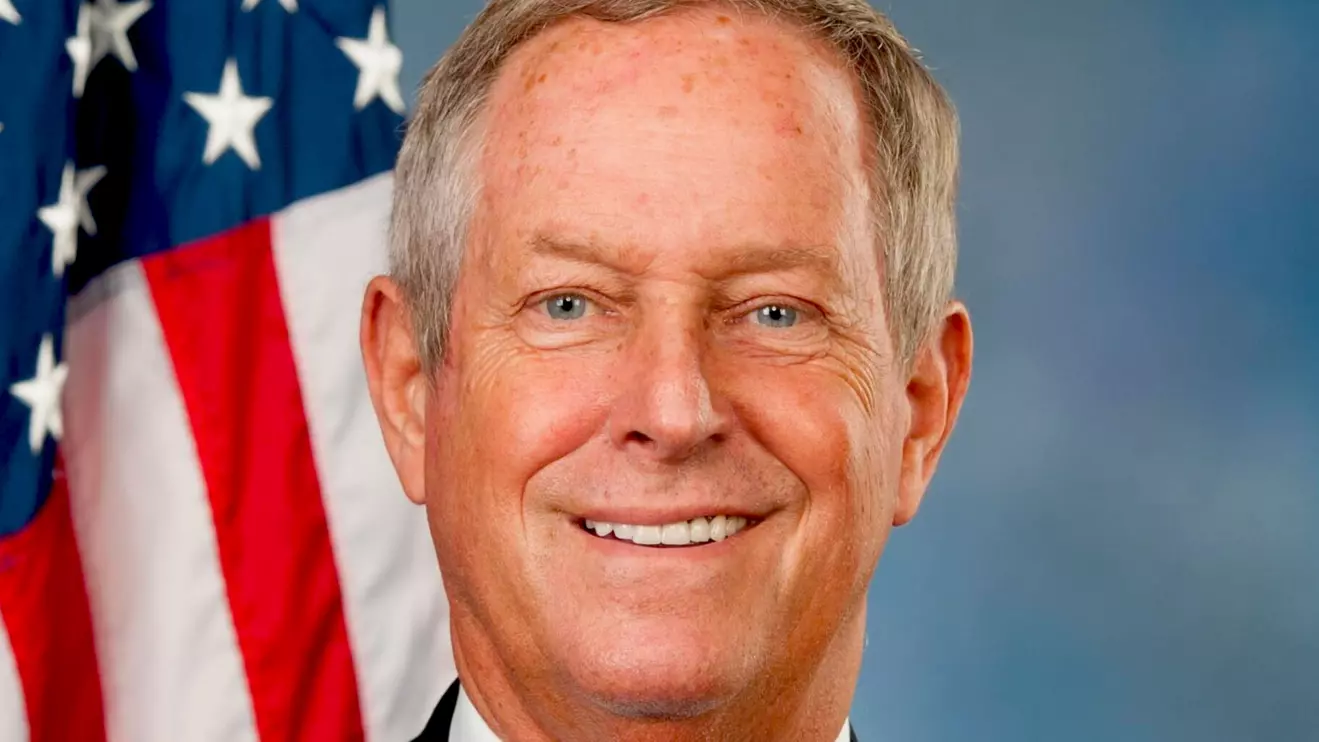
In a bold move that’s sending ripples through diplomatic circles, South Carolina’s Rep. Joe Wilson took to X in April 2025 to demand a seismic shift in U.S. policy on the Western Sahara.
His proposal? Slap a terrorist designation on the Polisario Front, the separatist group at the heart of the region’s long-simmering conflict. This isn’t just a provocative tweet—it’s a clarion call to confront a dangerous nexus of Iran, Hezbollah, and Russia meddling in North Africa.
Wilson’s post was blunt and unapologetic:
“I stand with @SecRubio: real autonomy under Morocco’s sovereignty is the only viable path for the Sahara. I’m introducing a bill to designate Polisario a terrorist group. Iran and Putin are carving out a foothold in Africa through Polisario. See the pattern: an axis of chaos.”
This is no mere rhetorical flourish. Wilson is thrusting the Western Sahara—a region often relegated to diplomatic backburners—into the spotlight as a critical theater in the global struggle against authoritarian influence. The Sahara, he argues, is no longer just a regional dispute but a frontline where U.S. interests are at stake.
Let’s unpack the stakes. The Polisario Front, based in Algeria’s Tindouf camps, has long presented itself as a liberation movement fighting for Sahrawi independence.
But Wilson’s accusation—backed by mounting evidence—paints a darker picture. Far from noble freedom fighters, Polisario is increasingly a pawn of Iran’s Quds Force and Hezbollah, with Russia’s shadow looming large.
Intelligence reports, including from U.S. and French sources, confirm Hezbollah trainers have been active in Tindouf, honing Polisario’s militant capabilities. Iran’s involvement is equally undeniable: a former Iranian ambassador, Amir Mousavi, was ousted from Algiers after funneling arms and funds to the group.
The timing is telling. As Morocco strengthens its ties with the U.S. and Israel—bolstered by the 2020 Abraham Accords and U.S. recognition of Moroccan sovereignty over the Sahara—Iran and its proxies see the region as a soft target for retaliation.
Algeria, Polisario’s chief patron, provides the perfect staging ground. The Tindouf camps aren’t humanitarian refuges; they’re militarized hubs where Algerian weapons, Iranian cash, and Hezbollah expertise converge. Add Russia’s growing influence in Algiers and its mercenary playbook in the Sahel, and the picture becomes alarmingly clear: the Western Sahara is a chessboard for an anti-Western alliance.
Iran’s Proxy War in Africa? U.S. Legislator Makes Explosive Case Against Polisario
Wilson’s push for a terrorist designation isn’t just about Polisario—it’s a shot across Algeria’s bow. Algiers has bankrolled and armed Polisario for decades, offering diplomatic cover while cozying up to Moscow and Beijing. By calling out this dynamic, Wilson is forcing a reckoning: Algeria must decide whether it’s with the West or with the Tehran-Moscow axis.
Morocco, by contrast, stands as a linchpin of stability. One of America’s oldest allies—dating back to its recognition of U.S. independence in 1777—the kingdom is a rare pro-Western, pro-Israel voice in the Arab world.
It hosts U.S. military drills, shares counterterrorism intelligence, and anchors North Africa against the chaos spilling from the Sahel. Polisario, meanwhile, foments instability, radicalizes youth, and blocks regional unity—all while serving as Iran’s newest proxy.
The broader implications are stark. Iran’s drone networks are spreading across Africa. Russia’s Wagner-style operations are entrenching in the Sahel.
Polisario, once a regional irritant, is now a cog in this machine of disruption. Wilson’s legislation, if passed, would signal that the U.S. is done ignoring this threat. It would also galvanize support for Morocco’s autonomy plan, which the U.S. has endorsed as “serious, credible, and realistic” since 2020.
Yet the road ahead is fraught. Europe, paralyzed by reliance on Algerian gas and internal politics, has been slow to act. Spain and France, in particular, tread cautiously, wary of alienating Algiers. The EU, mired in its usual indecision, offers little clarity.
This leaves the U.S. as the decisive player—and Wilson’s move could force Congress to confront a question it’s long avoided: Will America let Iran and Russia gain a foothold in North Africa, or will it draw a line in the sand?
Wilson hasn’t just raised the alarm—he’s mapped out the battlefield. From Tehran’s coffers to Tindouf’s camps, the lines of influence are unmistakable.
The Western Sahara isn’t a footnote in global affairs; it’s a crucible where the future of African stability and U.S. security is being shaped. By calling for action, Wilson has given Washington a chance to lead before the fuse he’s lit burns out of control.