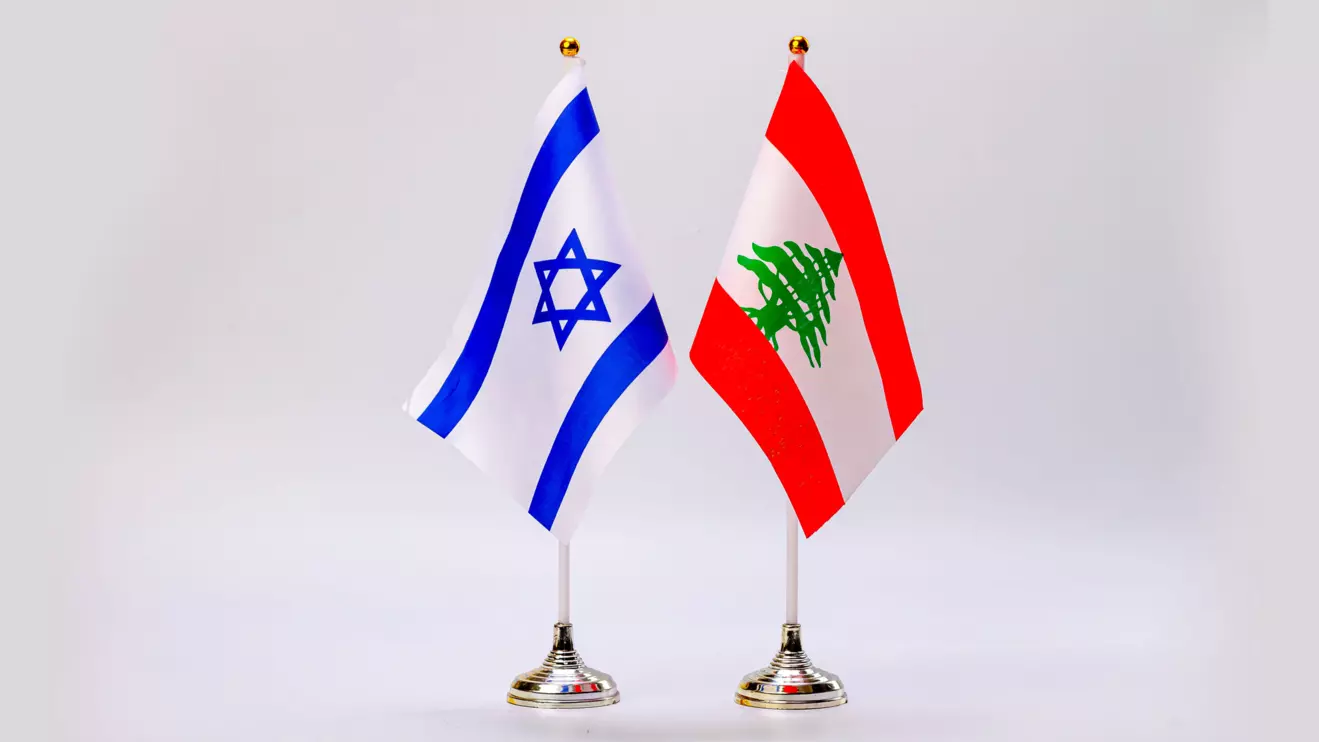
A diplomatic breakthrough may be imminent in the Middle East. US President Donald Trump announced late Wednesday that Israeli and Lebanese leaders are set to speak by phone for the first time in 34 years, a potential milestone in a conflict that has kept the two countries in a state of war since Israel's establishment in 1948.
In a post on Truth Social, Trump expressed his determination to create breathing room between the two sides. "It has been a long time since the two leaders have spoken, like 34 years. It will happen. Nice!" he wrote, confirming that Israeli Prime Minister Benjamin Netanyahu would speak with Lebanese President Joseph Aoun, a contact that Hezbollah fiercely opposes.
Israeli security cabinet member Gila Gamliel confirmed the call on Army Radio, describing it as a first contact "after so many years of no relations between the two countries."
President Aoun, a former military commander who took office last year, has been careful in his public statements. While welcoming the prospect of direct negotiations, he stopped short of confirming the planned call, stating instead that a ceasefire would be the "natural entry point" for direct talks with Israel.
He also insisted that an Israeli military withdrawal from southern Lebanon was a "fundamental step" to consolidate any ceasefire and allow Lebanese troops to deploy to the south.
The Iran Connection
The Lebanese conflict cannot be separated from the broader US-Iran standoff. When Iran-backed Hezbollah opened fire in support of Tehran on March 2, Israel launched an offensive in Lebanon, just 15 months after the last major conflict.
Pakistan, currently mediating between Washington and Tehran, has made the link explicit: "Peace in Lebanon is essential for peace talks" with Iran, said Foreign Ministry spokesperson Tahir Andrabi.
Meanwhile, Israel's military chief of staff declared that the area south of the Litani River would be a "no-go zone for Hezbollah operatives", a clear signal that Tel Aviv intends to maintain control over a strategic buffer zone in southern Lebanon regardless of any ceasefire agreement.
The Lebanese government, which banned Hezbollah's military activities on March 2 and has spent a year seeking the group's peaceful disarmament, finds itself caught between the pressure of its powerful armed faction and the demands of a fragile peace process