In a country where speaking openly about peace with Israel has long been dangerous, Lebanon's most senior Christian cleric has chosen clarity over caution.
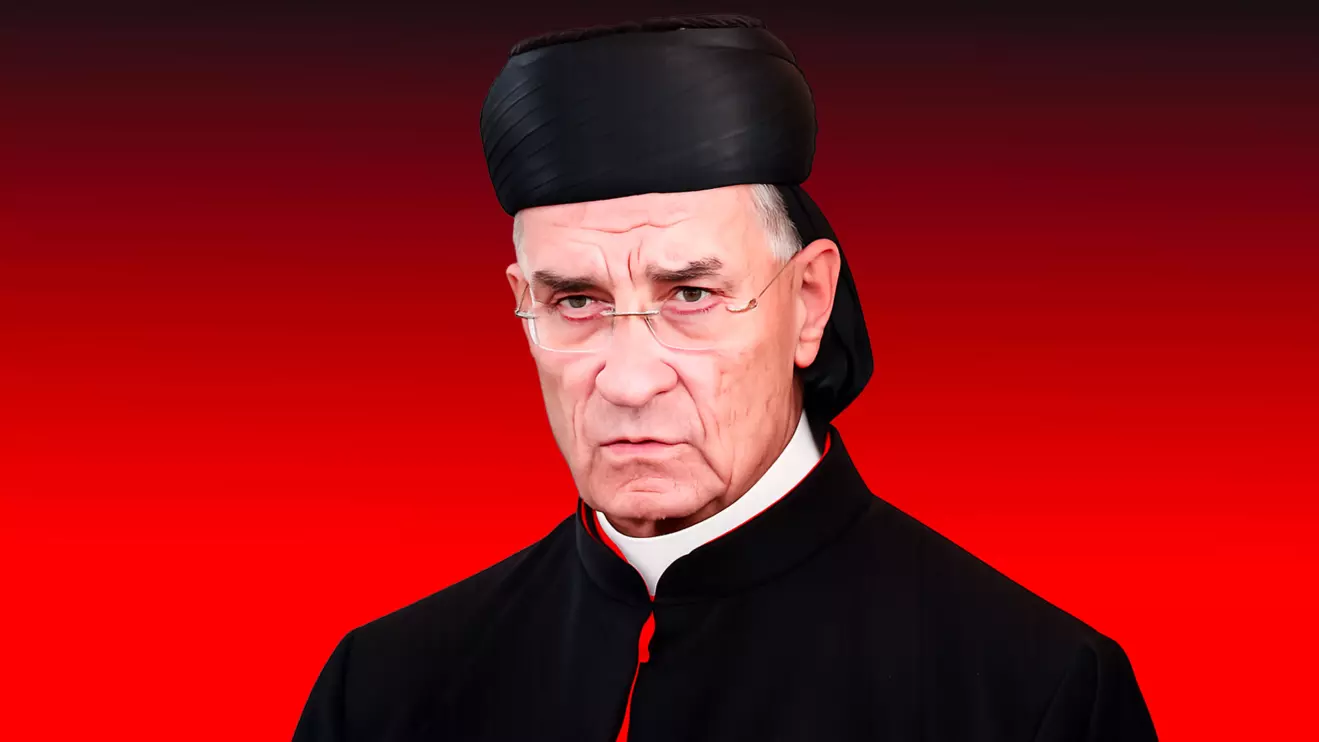
Maronite Patriarch Cardinal Béchara Raï declared Thursday that "negotiations with Israel are a necessity," following a meeting with President Joseph Aoun at the Baabda Palace. The statement was unambiguous, and deliberately so.
"The President of the Republic assumes the responsibility of his national choices. He is committed to Lebanon's rights and sovereignty," Raï said. "Enough destruction, devastation and wars." He was equally emphatic that Aoun "represents all Lebanese and speaks in their name, not as a Maronite."
The Patriarch's support is significant. It lends moral and institutional weight to a diplomatic process that Hezbollah and its Iranian backers have furiously opposed, framing direct contacts with Jerusalem as treason.
For a nation that has suffered so much for so long, the Patriarch's message carries the weight of both history and hope
Raï's message cuts through that narrative with the authority of a 1,600-year-old church that has witnessed every chapter of Lebanon's turbulent history.
But his words also reflect something deeper: the exhaustion of a population that has endured four decades of Iranian influence and Hezbollah's armed dominance, forty years marked by recurring wars, political paralysis, economic collapse, and the slow hollowing out of Lebanese sovereignty.
The 2024 ceasefire, the election of Joseph Aoun as president, and the appointment of reformist Prime Minister Nawaf Salam have opened a window that many Lebanese feared would never come. Raï's intervention signals that the country's most influential religious institution intends to help keep it open.
For a nation that has suffered so much for so long, the Patriarch's message carries the weight of both history and hope: Lebanon deserves peace, and its leaders have both the right and the duty to pursue it.