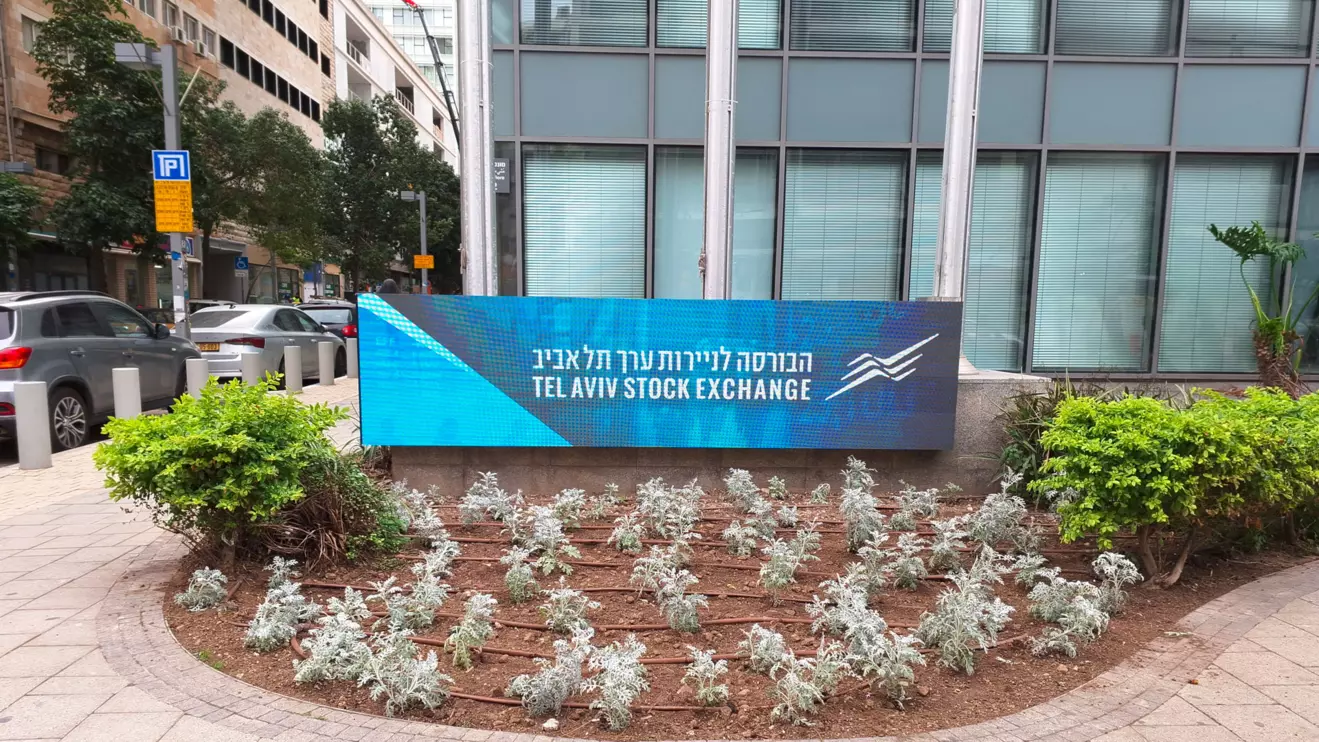
The Tel Aviv Stock Exchange suffered one of its worst sessions in months after the election produced no clear winner, wiping out all its October gains. The shekel tumbled, long-term government bonds fell and the local volatility index jumped 30%.
The sell-off was all the more brutal because investors had spent weeks betting on change. The exchange rose nearly 2% on the eve of the vote, and on election day itself, reports of record turnout sent the shekel soaring 2% against the dollar, as traders assumed a high turnout would favour the opposition.
That optimism ignored the polls, which had consistently predicted a stalemate. Market professionals now describe the pre-election rally as wishful thinking driven by speculation. As results came in, the shekel’s gains reversed into a sharp slide.
Fear of paralysis
What investors fear most is a return to the political gridlock Israel experienced earlier this decade, possibly with repeated elections. That would threaten the passage of a state budget, delay post-war infrastructure projects and prolong the freeze in the housing market.
Foreign investors are another concern. Many stayed in the market hoping a new government might soften looming international sanctions.
Real estate and banks hit hardest
The sectors that had led the rally fell the most. Real estate stocks erased all their gains for the month, while banks, insurers, infrastructure and commercial property companies, all heavily exposed to the domestic economy, also dropped sharply.
Monetary policy offers little relief. The Bank of Israel had already signalled almost no room for rate cuts next year, and a weaker shekel risks reigniting inflation.
For heavily indebted developers, that means prolonged high financing costs, expensive mortgages and continued stagnation in new home sales.