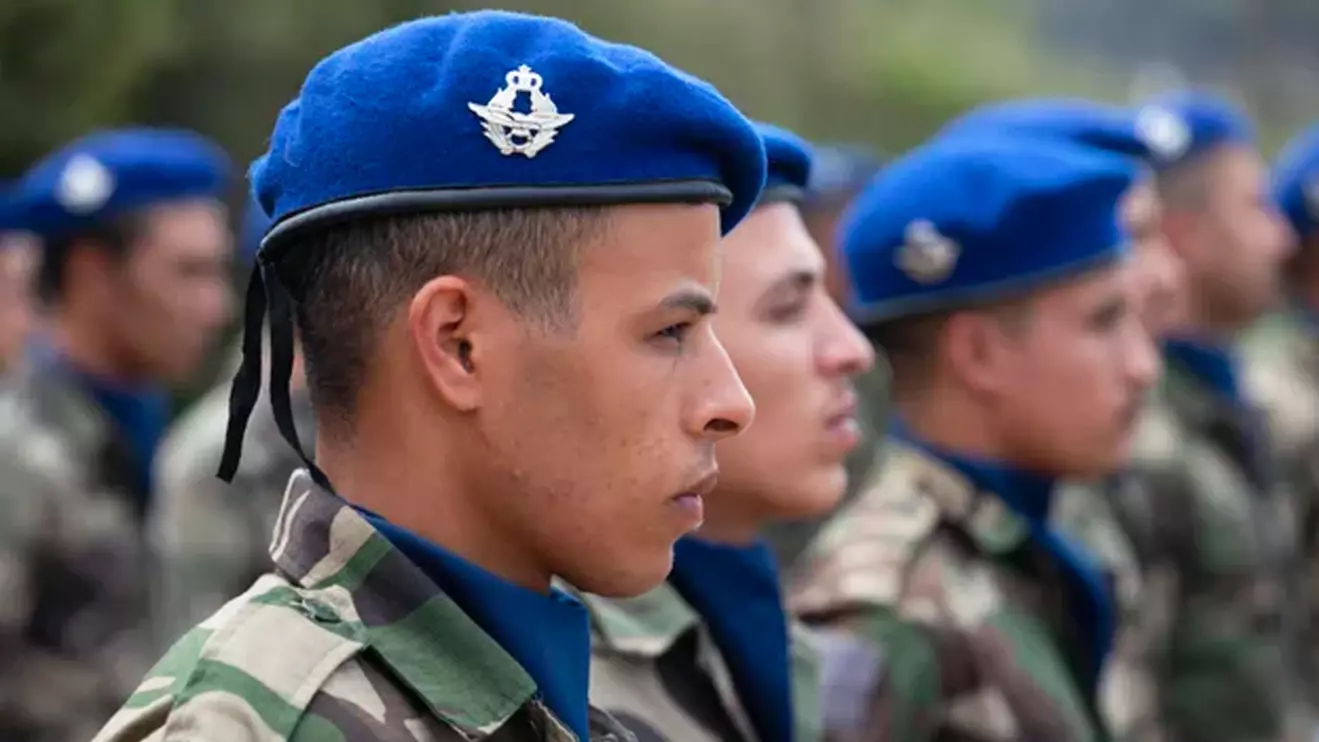
Morocco has emerged as a key contributor to the newly announced International Stabilization Force (ISF) for Gaza, becoming the only Maghreb country to commit troops to the initiative.
During a meeting of President Donald Trump’s newly created Board of Peace, ISF commander Army Major General Jasper Jeffers confirmed that five countries - Indonesia, Morocco, Kazakhstan, Kosovo and Albania - have pledged troops for the mission.
Egypt and Jordan have committed to training police forces. The ISF is expected to begin operations in southern Gaza, starting in Rafah, with a broader plan to deploy up to 20,000 troops and train 12,000 police officers.
Morocco’s participation stands out both politically and strategically.
The Kingdom has long positioned itself as an active and balanced actor in efforts to address the Israeli-Palestinian conflict. It maintains strong relations with the Palestinian Authority while also sustaining diplomatic ties with Israel — a dual channel that gives Rabat a unique ability to engage with both sides.
This balanced diplomacy is widely seen as an asset at a time when regional tensions remain high and trust between parties is fragile. Morocco’s involvement in the ISF underscores its willingness to translate diplomatic engagement into concrete action on the ground.
The Moroccan Armed Forces are also regarded as professional, well-trained and experienced in international missions, including peacekeeping operations under the United Nations. That operational credibility strengthens Morocco’s profile within the stabilization framework.
King Mohammed VI responded favorably to President Trump’s request for participation, signaling Rabat’s readiness to contribute to regional stability efforts.
The decision further confirms Morocco’s growing diplomatic influence and its ambition to play a constructive role in one of the most sensitive conflict zones in the Middle East.
By joining the ISF, Morocco not only reinforces its strategic partnerships but also affirms its position as a pragmatic and reliable regional actor capable of bridging divides.