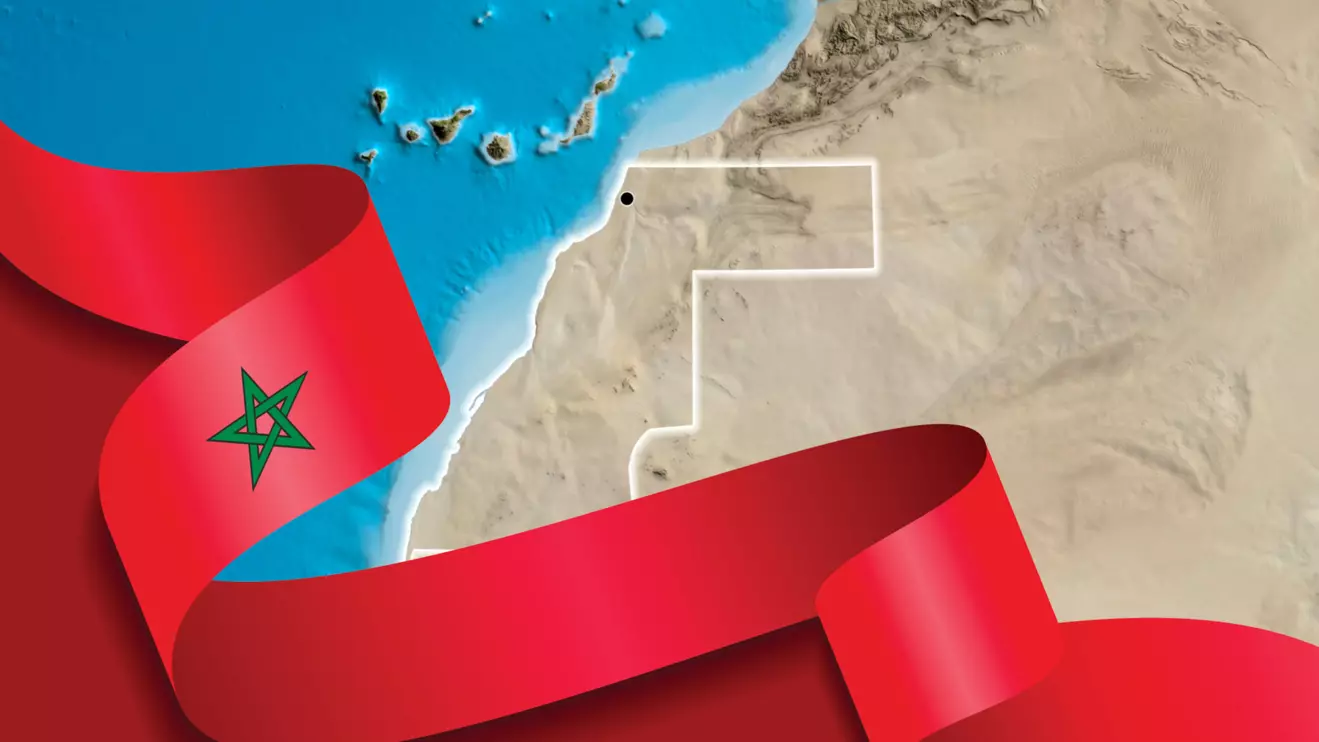
In a landmark diplomatic victory for Morocco and a stinging setback for Algeria, the United Nations Security Council on Friday adopted a resolution endorsing autonomy under Moroccan sovereignty as the most viable path toward resolving the decades-old conflict in Western Sahara.
The resolution, drafted by the United States, reaffirms international momentum behind Morocco’s 2007 autonomy proposal, a plan that would grant significant self-governance to the region while keeping it under Rabat’s control.
In contrast, the Algeria-backed Polisario Front continues to demand a referendum with independence as an option, a proposal now increasingly seen as outdated and unrealistic.
A Blow to Algiers
Algeria, which did not even participate in the vote, finds itself diplomatically sidelined. The resolution passed with 11 votes in favor, while Russia, China, and Pakistan abstained. The Polisario Front, effectively represented at the UN by Algeria, saw its demands largely ignored in the final text.
“The text ignores the Polisario’s proposals,” protested Algeria’s UN Ambassador Amar Bendjama. “They are a party to the conflict, and their opinion must be heard.” But few were listening.
Thousands of Moroccans took to the streets in cities across the kingdom, waving flags and chanting in celebration.
The mood in Rabat was jubilant as King Mohammed VI hailed the vote as a turning point. “Morocco is seeking a win-win and face-saving solution for all parties,” he declared, while urging Sahrawis in the Polisario-controlled Tindouf camps in Algeria to embrace autonomy.
The King also renewed his call for a “brotherly dialogue” with Algeria and emphasized Morocco’s commitment to the Maghreb Union — a gesture of openness that only highlighted Algiers’ growing isolation.
Support Mounts for Morocco
The vote follows a clear pattern of rising global support for Morocco’s position. The United States, under President Donald Trump, officially recognized Moroccan sovereignty over Western Sahara — a position reaffirmed earlier this year.
France and Britain have since aligned with Washington, and Spain — the former colonial power — has also thrown its support behind Rabat’s autonomy plan.
Many African nations and Israel have similarly voiced support, signaling that the diplomatic tide has shifted decisively in Morocco’s favor. The days when Algiers could rally significant backing for the Polisario cause appear to be numbered.
Polisario Left Reeling
Caught off guard by the scale of support for Morocco, the Polisario Front has yet to issue a formal response. Its representative, Sidi Omar, downplayed the resolution, saying it did not amount to recognition of Moroccan sovereignty. However, the political reality is clear: the UN and its most powerful member states are increasingly rallying around Rabat’s proposal.
The Security Council also called on UN Secretary-General António Guterres to conduct a strategic review of the MINURSO peacekeeping mission’s future, reflecting broader calls to align the UN’s efforts with the new diplomatic landscape.
As Morocco cements its leadership on the issue, Algeria faces a moment of reckoning. The vote marks not just a diplomatic defeat — but a potential turning point in one of Africa’s longest-running conflicts.