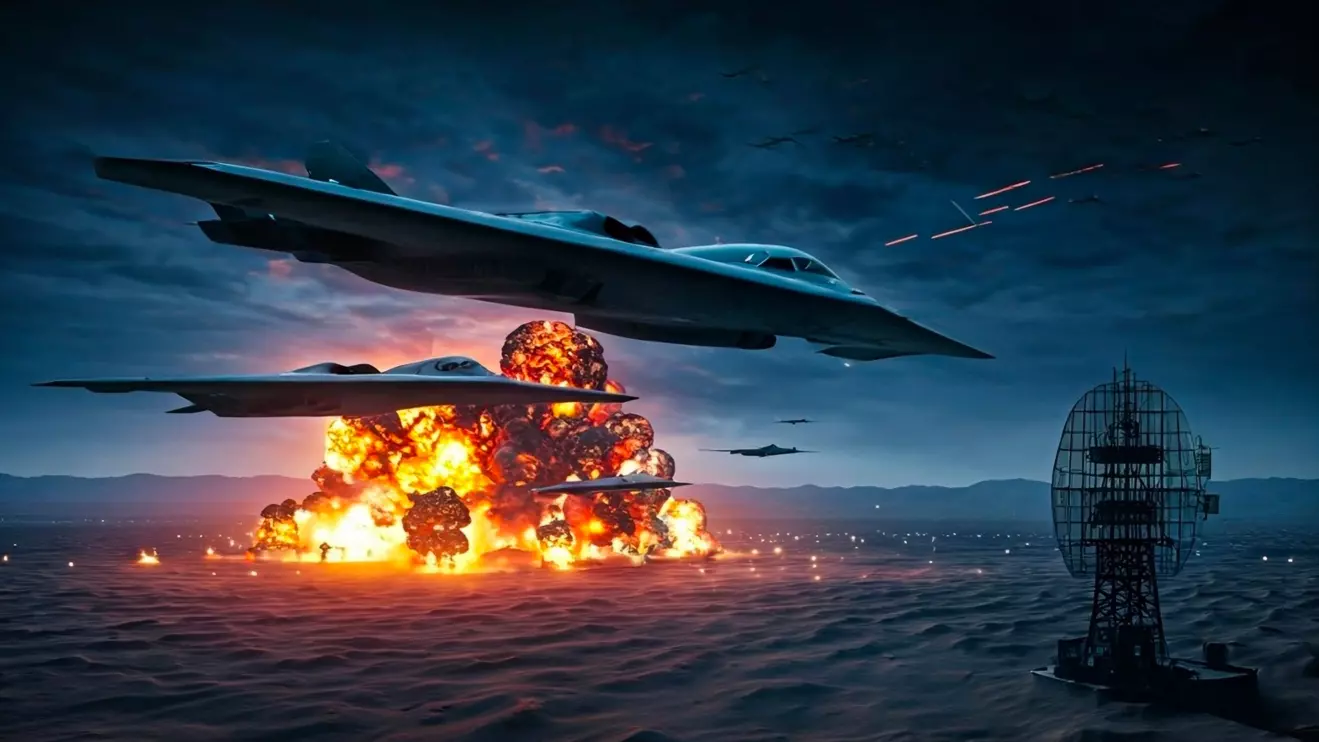
Tensions between the United States and Iran are no longer simmering quietly in the background. They are front and center, raw and escalating. Military deployments, sharp rhetoric and urgent diplomacy are converging into what looks increasingly like a defining moment.
Washington has moved assets into position. Tehran has reinforced its defenses. Both sides are signaling resolve. The question is no longer whether the crisis is serious. It is whether either side is willing to blink.
Iran’s Red Lines
From Tehran’s perspective, the stakes are existential.
It is hard to imagine the Iranian leadership agreeing to halt uranium enrichment, abandon its ballistic missile program, and cut support to its regional proxies, Hezbollah, Hamas, and the Houthis. These three pillars form the backbone of Iran’s strategic doctrine. They are not bargaining chips. They are instruments of survival and projection of power.
Uranium enrichment is framed domestically as a sovereign right. The missile program is marketed as a deterrent shield. Support for allied militias is presented as forward defense. Together, they create what Iranian officials call “strategic depth.”
If the ruling clerical establishment were to concede on all three fronts, it would not simply be a diplomatic compromise. It would represent a profound weakening of the regime’s regional influence and internal legitimacy. For Tehran, that price may be politically unbearable.
Trump’s Hard Line
On the other side, former President Donald Trump cannot afford what critics would label a “half deal.”
A narrow agreement limited to nuclear restrictions would be portrayed by his opponents as a replay of past arrangements that, in their view, failed to curb Iran’s broader ambitions. Trump’s political brand is built on strength and leverage. Accepting a deal that leaves Iran’s missile program intact and its regional networks untouched would clash with that narrative.
For Trump, the message is clear: no cosmetic fixes, no partial concessions, no symbolic diplomacy. Any agreement must be comprehensive, enforceable and visibly tougher than previous frameworks. Anything less risks being framed as weakness.
Diplomatic channels remain open, but the room for maneuver is shrinking. Each side’s red lines are bold, public and rigid. Tehran cannot appear to surrender core capabilities. Washington cannot accept incremental adjustments that leave structural issues unresolved.
That is the heart of the impasse.
Military preparations are not declarations of war. They are instruments of pressure. But pressure can misfire. Miscalculation, escalation, or a single triggering event could transform strategic signaling into direct confrontation.
The Moment of Decision
This is no longer a theoretical dispute. It is a test of political will.
If Iran refuses sweeping concessions, and Washington refuses a limited deal, the diplomatic middle ground becomes dangerously thin. In that vacuum, hard power begins to look like the only remaining language.
An American strike is not inevitable. But the logic of confrontation is tightening. The coming days may determine whether this crisis bends toward compromise, or breaks toward conflict.
In geopolitics, red lines are drawn to deter. Sometimes they also draw nations closer to the edge.