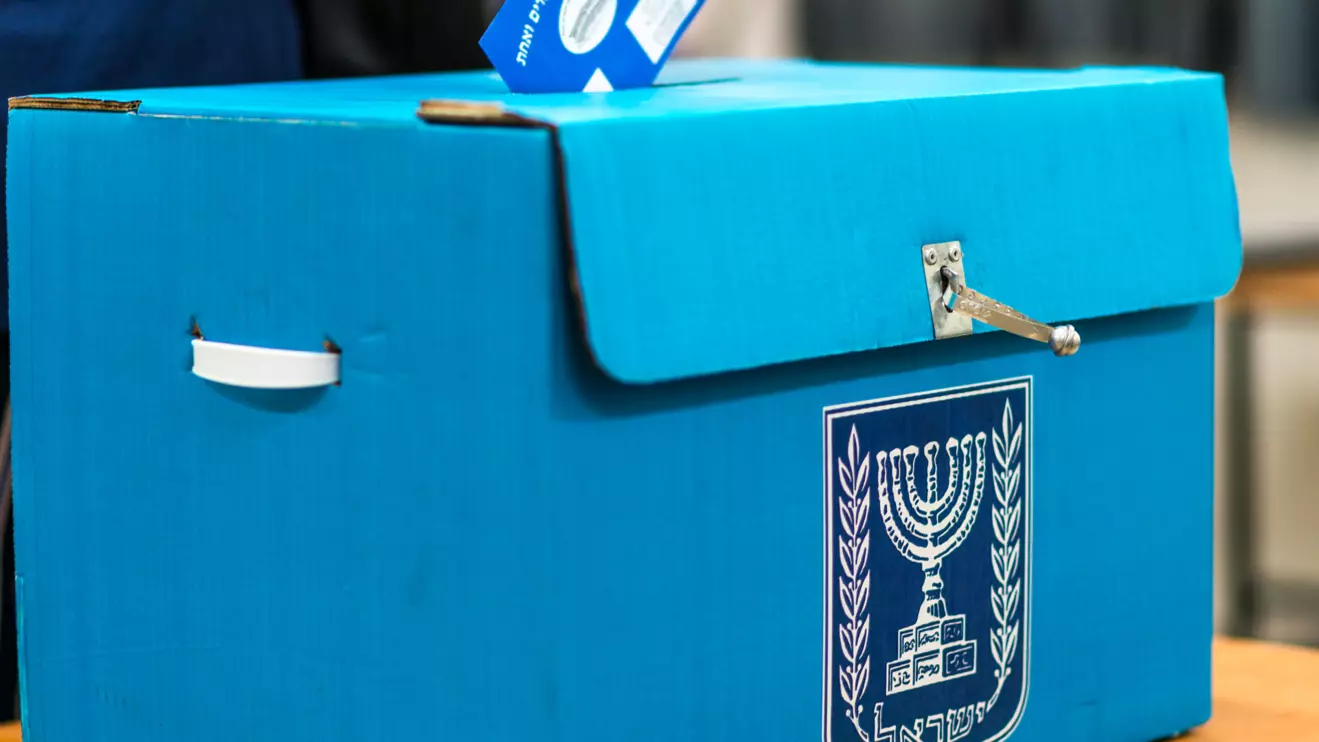
With the October 27 vote just two months away, the mood surrounding Israel's upcoming elections seems far from enthusiastic.
The first ballot since the October 7, 2023 massacre and the wars that followed in Gaza and against Iran, this election arrives against a backdrop of public fatigue, with several factors fueling voter skepticism.
The campaign taking shape appears structured less around long-term programs for the country's future than around bloc politics and coalition maneuvering. Benjamin Netanyahu, seeking another term, has spoken of wanting to form a "broad national government", a formula that reflects an electoral rallying strategy more than a concrete policy platform.
On the other side, the opposition, led in part by former chief of staff Gadi Eizenkot, has likewise struggled to present a clear, unified alternative, with several parties - Yisrael Beytenu, The Democrats, and Arab-majority factions - remaining fragmented without any formally constituted alternative coalition.
Candidates of Questionable Credibility
The political landscape remains dominated by the extreme personalization of debate around Netanyahu, who has led the country for years and whose handling of the war continues to deeply divide public opinion. On the other side, no figure has emerged as an undisputed alternative, feeding a sense of political vacuum among voters worn down by years of successive crises.
Another defining feature of this election is the outsized influence of ultra-Orthodox and religious-nationalist parties. Shas, United Torah Judaism, and the far-right Otzma Yehudit (Itamar Ben Gvir) and Religious Zionism (Bezalel Smotrich) parties continue to weigh heavily on coalition negotiations, despite some polls showing Smotrich's party flirting with the electoral threshold.
The debate over draft exemptions for ultra-Orthodox yeshiva students remains one of the campaign's major flashpoints, pitting these religious parties against the military and a large segment of public opinion, which is demanding a fairer distribution of the military burden after years of war.
A Geopolitical Backdrop That Overshadows Domestic Debate
Finally, these elections are unfolding against an exceptionally volatile regional backdrop, with the conflicts in Gaza and with Iran continuing to dominate the political agenda, often at the expense of domestic issues such as the economy, cost of living, and public services, which nonetheless remain top priorities for a significant share of voters.
In this climate, many observers believe the October vote risks being decided more by bloc logic and political survival than by any genuine vision for national renewal, leaving a segment of the population doubtful that whatever government emerges will be equipped to tackle the country's structural challenges.