Indirect talks between the United States and Iran have taken place in Oman, raising hopes of renewed diplomacy. US President Donald Trump described the discussions as “very good,” while Iran’s foreign minister Abbas Araghchi signaled readiness to reach a quick agreement.
But a fundamental question remains unanswered: an agreement on what, exactly?
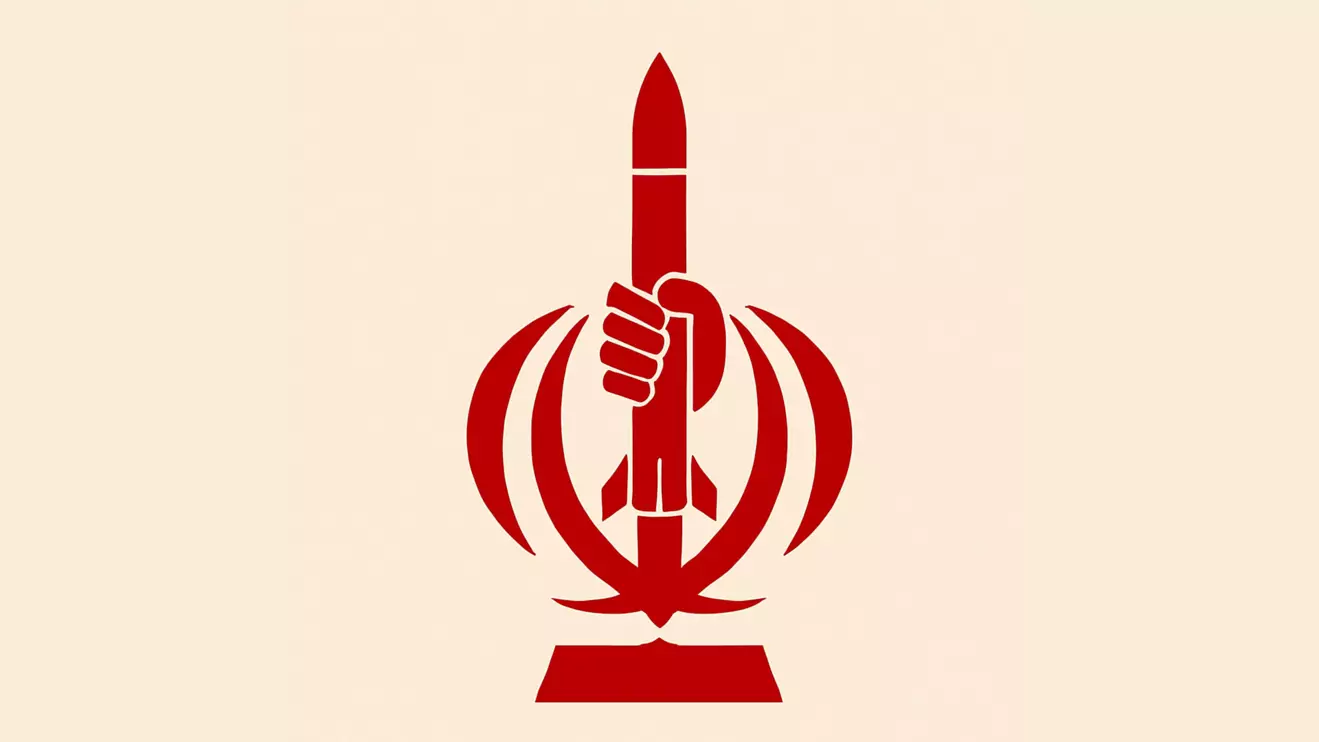
Tehran has made its red lines clear. The Iranian leadership insists that uranium enrichment is an “inalienable right” and must continue. At the same time, Araghchi has categorically ruled out any negotiation on Iran’s ballistic missile program. These positions are not signals of compromise. They are signs of a familiar strategy: talk, delay, and advance sensitive programs while diplomacy drags on.
History suggests that the Iranian regime often uses negotiations to buy time, ease pressure, and divide its interlocutors. Without firm conditions, talks risk becoming a cover for continued nuclear progress and regional destabilisation.
If Washington is serious about neutralising Iran’s threat, three non-negotiable conditions should be imposed.
First, a complete end to any military nuclear capability. Second, a halt to the ballistic missile program, which remains a core delivery system for future nuclear weapons. Third, an end to Iran’s support for armed proxies across the Middle East, including Hezbollah, Hamas, and the Houthis.
Failing to secure these outcomes would not be a diplomatic success. It would weaken US credibility and embolden Tehran. The consequences would be felt most acutely by Gulf countries and Israel, which already face the direct fallout of Iran’s regional ambitions.
Diplomacy can work, but only if it is clear-eyed. Without pressure, verification, and firm red lines, negotiations with Tehran risk becoming an exercise in illusion rather than security.