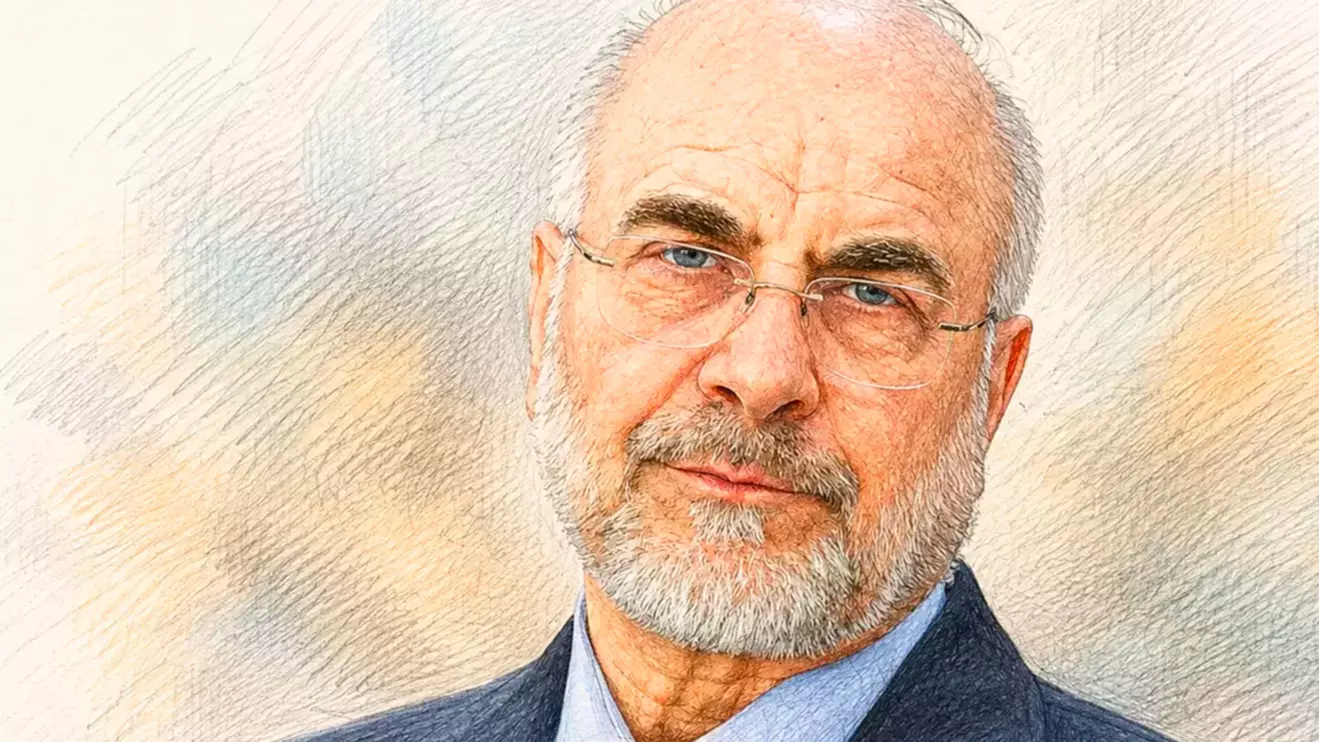
The ink on the US-Iran memorandum of understanding was barely dry before Tehran's chief negotiator was already drawing lines in the sand.
Mohammad Bagher Ghalibaf, who led Iran's negotiating team and serves as parliament speaker, insisted Friday that Iran would remain "firm in respecting the conditions and red lines" set during future talks with Washington. "If the enemy is excessive in its demands, we have proven we are ready to retaliate and will not hesitate to inflict a stinging response," he declared.
The warning came as the first technical talks scheduled for Friday in Switzerland were cancelled, a rocky start to the 60-day negotiation window the MOU was supposed to open.
The agreement, which formally ends over three months of war, has already drawn fire from within Iran itself.
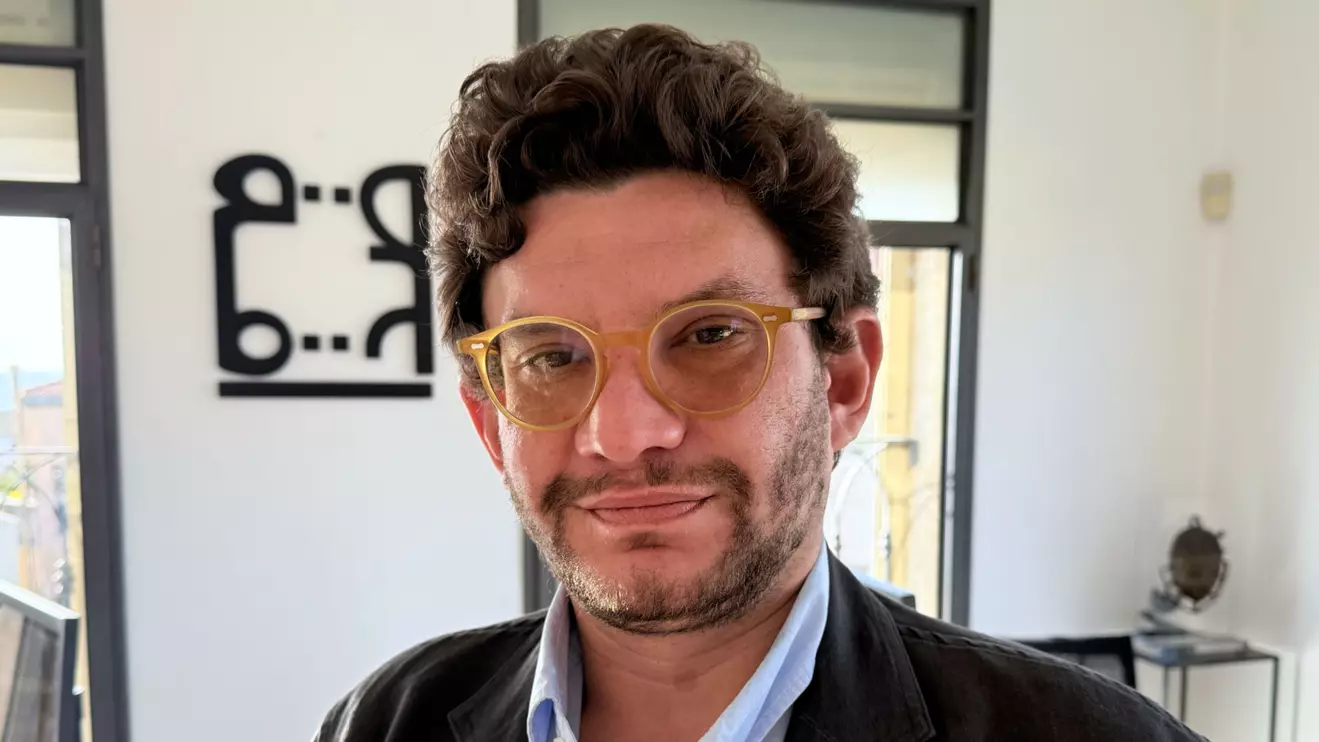
Supreme Leader Mojtaba Khamenei expressed reservations before ultimately authorising the deal. Ultraconservative newspaper Kayhan's editor-in-chief was blunter:
"The Americans have never respected any commitment and never will." He argued the Strait of Hormuz should remain a negotiating chip, not a concession already made.
Despite the MOU's declaration of an end to hostilities "on all fronts, including Lebanon," Israeli strikes in southern Lebanon overnight.
The deal has delivered two immediate tangible results: the lifting of the American naval blockade on Iranian ports and the reopening of the Strait of Hormuz. Whether the next 60 days produce anything more durable remains deeply uncertain.