Donald Trump is nothing if not an optimist. His latest statements on Iran, declaring that Tehran has agreed never to acquire a nuclear weapon and musing about a future meeting with Supreme Leader Mojtaba Khamenei, project a confidence that is either visionary or deeply puzzling, depending on your vantage point.
Trump's effusive tone toward Khamenei raised eyebrows across the diplomatic world. Praising a leader whose regime has spent decades chanting "Death to America" and whose health remains uncertain - even within Iran - is an unusual opening gambit. Whether it reflects genuine diplomatic finesse or simply Trump's instinct to flatter potential negotiating partners is unclear.
What is clear is what Trump did not mention.
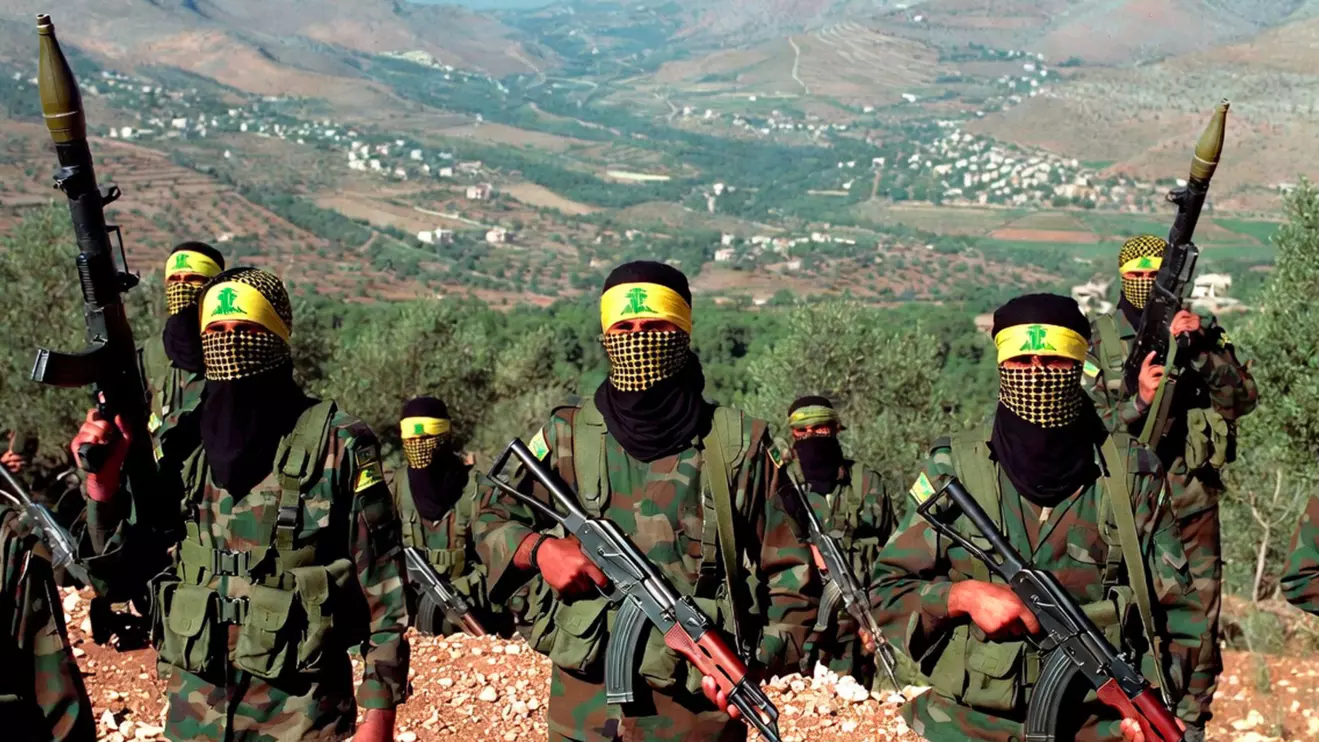
Conspicuously absent from the president's optimistic framing were the issues that matter most to regional security: Iran's ballistic missile programme, its network of destabilising proxies, the Houthis, Hamas, and above all Hezbollah, and any meaningful accountability mechanism for Tehran's behaviour across the Middle East.
A nuclear pledge, however welcome, is only one piece of a very complex puzzle. Iran's ability to project power through armed militias has caused more immediate human suffering across Lebanon, Yemen, Gaza and Iraq than its nuclear ambitions alone. A deal that ignores these realities is not a peace deal, it is a partial agreement dressed up as a solution.
The Lebanon Paradox
Perhaps the most puzzling element of current US policy is Washington's reported pressure on Israel to limit its offensive in Lebanon.
The logic escapes many observers. Every pause in fighting historically allows Hezbollah, battered but never broken, to rearm, regroup and rebuild its military infrastructure under Iranian guidance.
Restraining Israel while failing to secure binding commitments on Hezbollah's disarmament is not a path to stability. It is a path to the next war.
To be fair to Trump, leaders in his position routinely possess intelligence and diplomatic back-channels that the public cannot access. It is possible - perhaps probable - that there are dimensions to these negotiations that explain the optimism and the apparent concessions.
But based on what is publicly known, the strategic logic of the White House's Iran policy remains elusive. A nuclear pledge without missile constraints, proxy disarmament or verified compliance mechanisms is a headline, not a deal.
The Middle East has seen many headlines. It is still waiting for peace.