Pinky promise: Tehran swears it's just peaceful atoms

1 min Bruno Finel

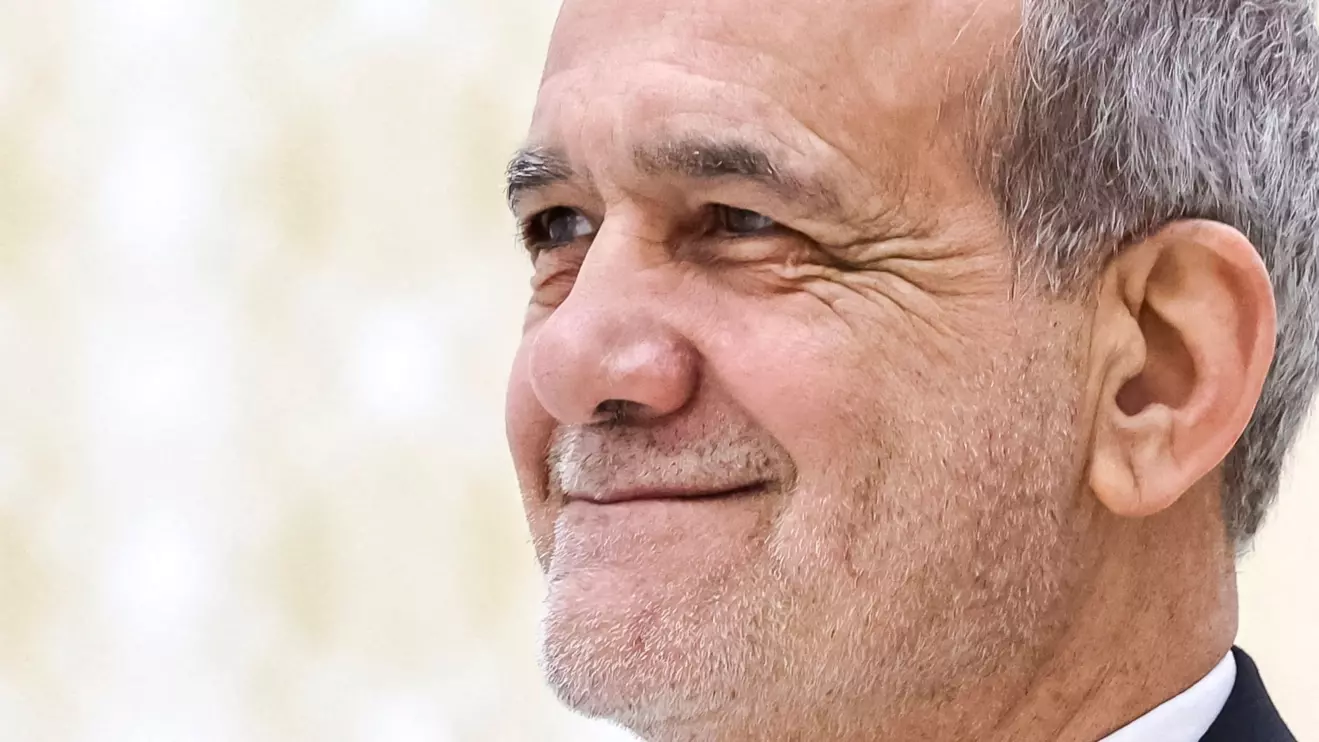
In a stunning display of diplomatic reassurance, Iranian President Massoud Pezeshkian took to the podium Thursday to deliver what may be the least surprising speech in modern history: Iran, he insists, does not want nuclear weapons.

President Massoud Pezeshkian © Reuters

President Massoud Pezeshkian © Reuters

In a stunning display of diplomatic reassurance, Iranian President Massoud Pezeshkian took to the podium Thursday to deliver what may be the least surprising speech in modern history: Iran, he insists, does not want nuclear weapons.

Cue the applause. Or perhaps, the eyerolls.

"Our Supreme Leader has already declared we will not have nuclear weapons at all," Pezeshkian announced with a straight face, seemingly unaware that the international community has been watching Tehran's uranium enrichment program accelerate for years. But sure, take his word for it.

The President even added a personal touch of humility: "Even if I wanted to go in that direction, doctrinally, I wouldn't be allowed to." How refreshing. A leader openly admitting he has no real power, while simultaneously asking the world to trust his government's intentions.

Meanwhile, back in the real world, the United States has deployed a massive military presence in the Gulf region, apparently unconvinced by Tehran's pinky promise. Washington continues to accuse Iran of pursuing exactly what its president just denied — the atomic bomb.

The two sides met Thursday in Geneva for a third round of indirect talks, because apparently two rounds of talking past each other wasn't quite enough.

To be fair, Iranian leaders have been remarkably consistent in one thing: denying everything while doing everything. It's almost an art form at this point,  a decades-long performance of nuclear innocence that would make even the most seasoned poker player blush.

As Donald Trump's warships linger in the Gulf and negotiators shuffle papers in Swiss conference rooms, one question hangs in the air like enriched uranium in a Natanz centrifuge:

Does anyone, anywhere, actually believe them?

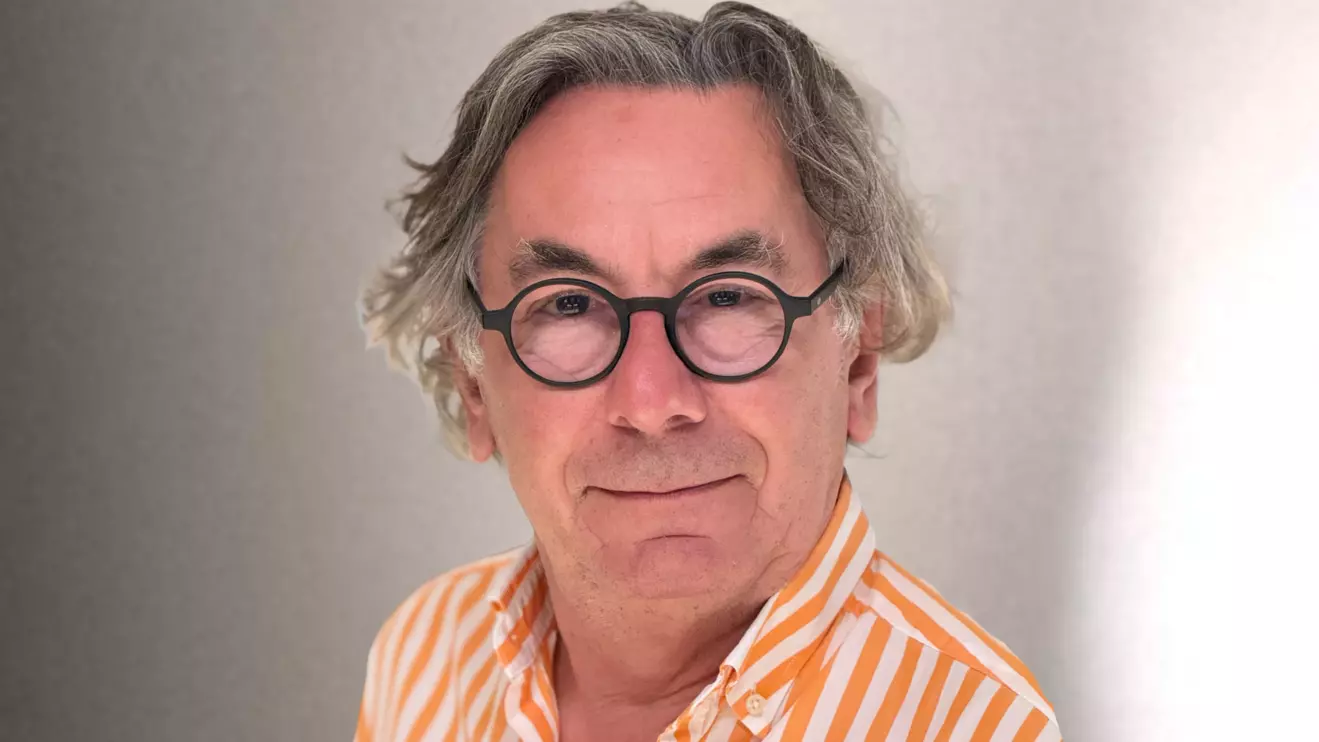
Bruno Finel

Bruno Finel

Bruno Finel is the editor-in-chief of Mena Today. He has extensive experience in the Middle East and North Africa, with several decades of reporting on current affairs in the region.

Related

Strait of Hormuz

Six vessels turn around under U.S. Hormuz blockade

No ships have made it past a U.S. naval blockade of Iran's ports and coastal areas, and six merchant ships have followed orders to turn back, the U.S. military said on Tuesday, providing the first details on a day-old effort ordered by President Donald Trump after peace talks between the U.S. and Iran broke down.

Lebanon

Rare Israel-Lebanon talks open in U.S.

U.S. Secretary of State Marco Rubio hosted the first direct talks between Israel and Lebanon in decades on Tuesday and both sides said they held positive discussions although it was not immediately clear if they agreed to a framework for peace.

Israel

Saar calls for normalization with Lebanon

Israeli Foreign Minister Gideon Saar has signaled his country's desire for full normalization with Lebanon, just ahead of a key round of peace talks scheduled in Washington.

Subscribe to our newsletter

Mena banner 4

To make this website run properly and to improve your experience, we use cookies. For more detailed information, please check our Cookie Policy.

  • Necessary cookies enable core functionality. The website cannot function properly without these cookies, and can only be disabled by changing your browser preferences.