Iran
Rising Middle East tensions could push gold toward $6,200, UBS says
Escalating tensions in the Middle East are emerging as a major force in global financial markets, and UBS believes the situation could drive gold prices significantly higher.
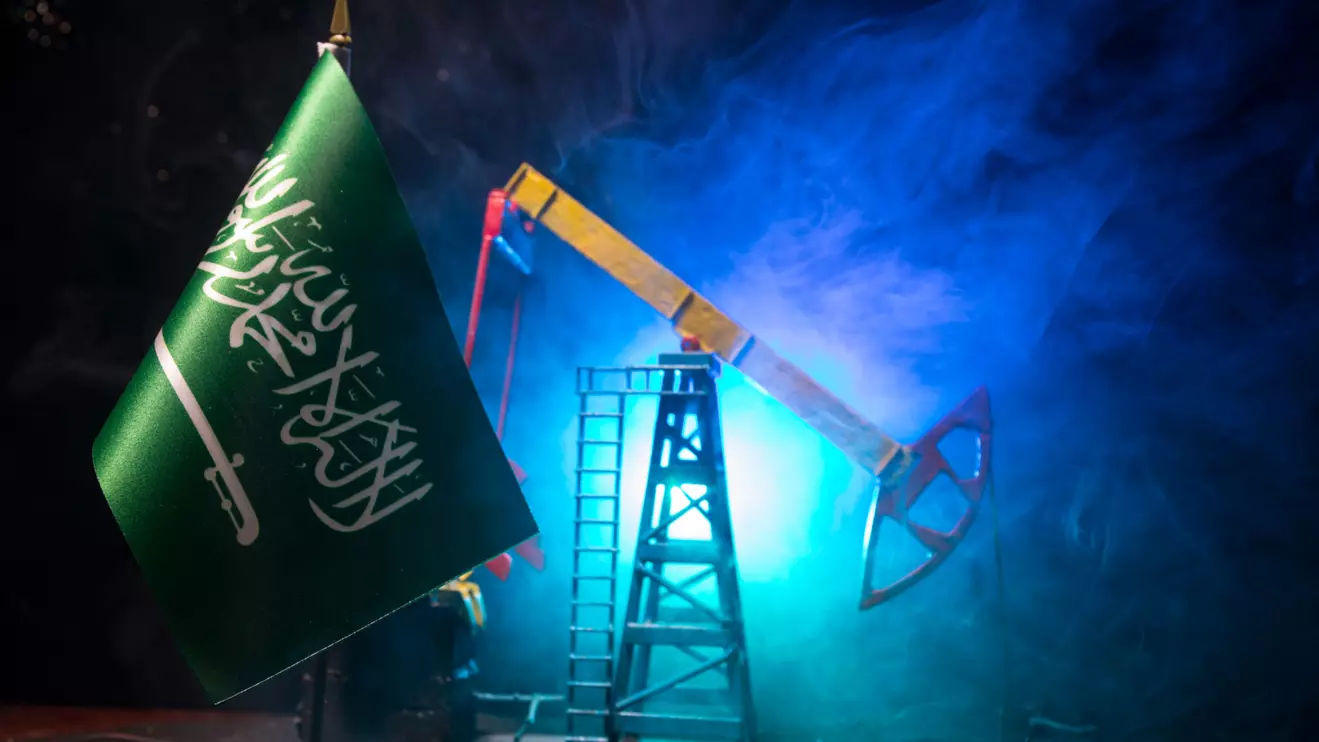
Saudi Arabia is increasing oil production and exports as part of a contingency plan in case potential U.S. military action against Iran disrupts regional supply, according to sources familiar with the matter.
Under the contingency plan, Riyadh is raising output to ensure additional crude can be exported if regional flows are affected © Mena Today
Saudi Arabia is increasing oil production and exports as part of a contingency plan in case potential U.S. military action against Iran disrupts regional supply, according to sources familiar with the matter.
The move comes as U.S. President Donald Trump considers possible strikes aimed at pressuring Tehran over its nuclear programme. In recent weeks, Washington has reinforced its military presence in the Middle East.
Under the contingency plan, Riyadh is raising output to ensure additional crude can be exported if regional flows are affected. The kingdom is expected to scale back production later to remain aligned with OPEC+ quotas should no disruption occur.
Iran accounts for more than 3% of global oil production and has warned it would retaliate against any attack. Such escalation could threaten energy shipments through the Strait of Hormuz, a critical chokepoint through which more than 20 million barrels of crude, condensate and refined products transit daily, including supplies from Saudi Arabia, the UAE, Kuwait and gas exports from Qatar.
As OPEC’s largest producer, Saudi Arabia has historically adjusted output to stabilize markets during supply shocks or periods of oversupply. The current move signals Riyadh’s readiness to cushion potential volatility in global oil markets.
Escalating tensions in the Middle East are emerging as a major force in global financial markets, and UBS believes the situation could drive gold prices significantly higher.
Turkey and Saudi Arabia have signed a major solar energy agreement that marks a new chapter in their rapidly strengthening ties.
Saudi Arabia’s artificial intelligence company Humain announced on Wednesday a $3 billion investment in Elon Musk’s xAI, underscoring the kingdom’s growing ambitions in advanced technologies.
To make this website run properly and to improve your experience, we use cookies. For more detailed information, please check our Cookie Policy.
Necessary cookies enable core functionality. The website cannot function properly without these cookies, and can only be disabled by changing your browser preferences.