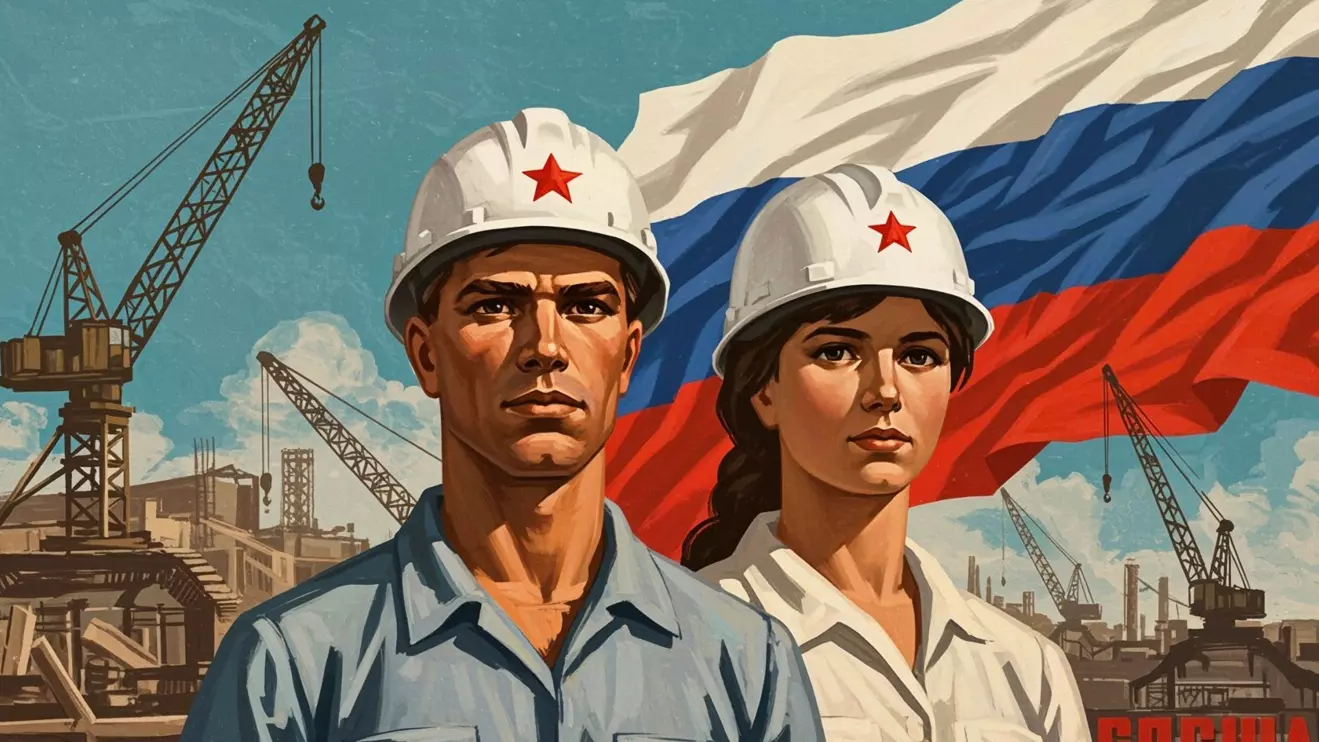
Russia is intensifying its diplomatic and strategic push into Africa as preparations begin for the third Russia–Africa summit, scheduled for 2026.
According to Foreign Minister Sergey Lavrov, discussions on the summit’s agenda will take place with African partners during the second ministerial conference of the Russia–Africa Partnership Forum, set for December 19–20 in Cairo.
Behind the formal language of partnership and cooperation, Moscow’s renewed engagement reflects a broader effort to expand its influence across the African continent at a time of growing geopolitical competition.
Russia has positioned itself as an alternative ally to traditional Western partners, capitalizing on anti-Western sentiment, political instability, and disillusionment with former colonial powers, particularly France.
Western intelligence services and analysts have repeatedly accused Moscow of using a mix of disinformation campaigns, political manipulation, and security cooperation to weaken Western influence in Africa.
Russian-linked networks have been active in fueling tensions and exploiting governance crises, especially in the Sahel, where fragile states have become fertile ground for external interference.
Several African military regimes have openly embraced Moscow. In Mali, Burkina Faso, and Niger, ruling juntas have signed military and security agreements with Russia, often following the breakdown of relations with France and other Western partners. These agreements typically include arms supplies, training, and security assistance, presented as solutions to terrorism and internal instability.
Critics argue that Russia’s approach prioritizes short-term security arrangements over democratic governance, accountability, and long-term development.
While Moscow promotes a narrative of sovereignty and non-interference, its growing security footprint raises concerns about human rights abuses, opaque contracts, and the entrenchment of authoritarian rule.
As Russia prepares for the 2026 summit, the key question for Africa remains whether these partnerships will genuinely serve the interests of local populations or simply replace one form of external influence with another.
In a continent seeking stability, development, and self-determination, geopolitical rivalries risk further complicating already fragile political and security landscapes.