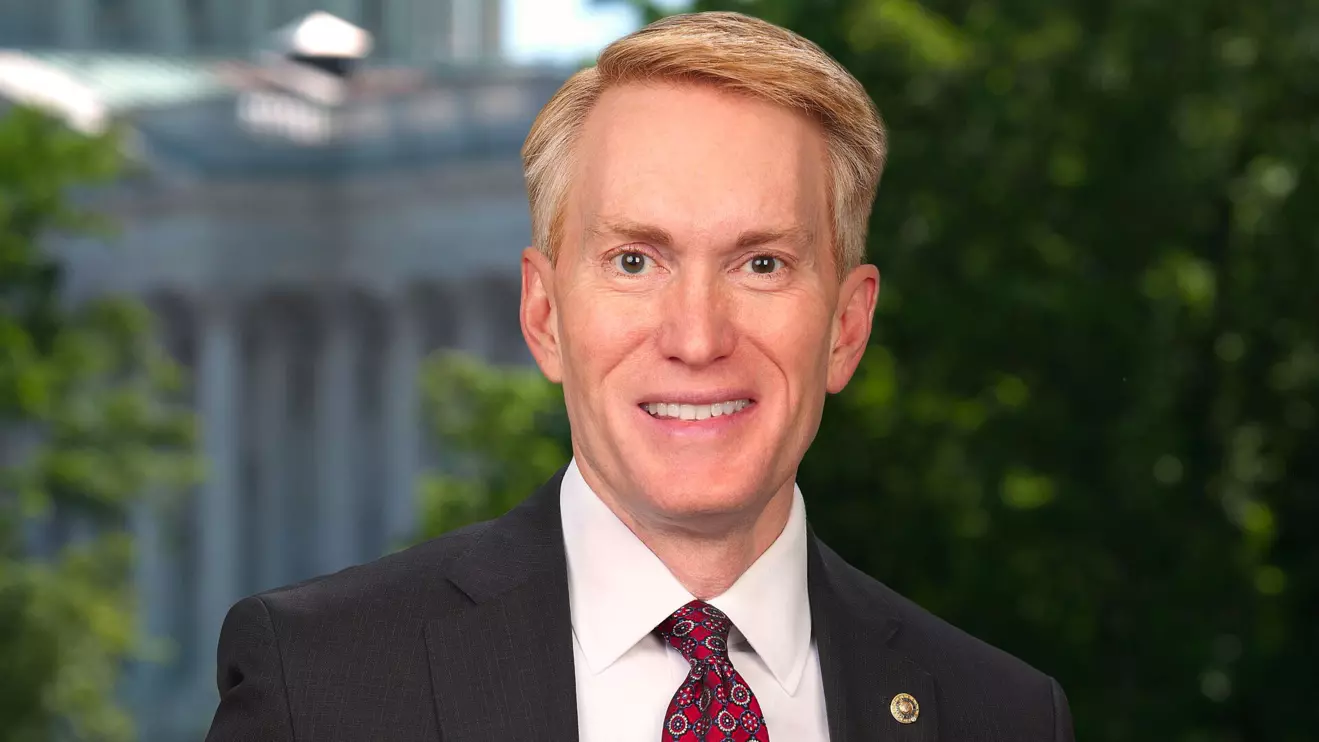
US Senators Jeanne Shaheen (D-NH), ranking member of the Senate Foreign Relations Committee, and James Lankford (R-OK), a member of the Intelligence Committee, introduced legislation Thursday that would authorize up to $1.2 billion in security assistance to Lebanon over five years, while tying part of the funding to Lebanese progress on establishing a state monopoly on arms and disarming Hezbollah.
The bill, called the Lebanon Sanctions, Stabilization, and Support Act, is designed more broadly to bolster Lebanese state authority, support the Lebanese Armed Forces and the Internal Security Forces (ISF), and impose sanctions on foreign persons who provide material support to Hezbollah or facilitate Iranian financing of non-state armed actors in Lebanon, obstruct Lebanese efforts toward a state monopoly on arms and Hezbollah's disarmament, or block reforms in Lebanon's banking and financial sectors.
The sanctions would include asset freezes, restrictions on certain financial transactions, and visa ineligibility, with exceptions for humanitarian assistance.
"For decades, Iran has used Hezbollah to destabilize Lebanon, Israel, and threaten Americans who live in the region, but President Trump has created a real opening for change by bringing Israel and Lebanon to the table for the first direct talks in 30 years," Lankford said in a statement from his office.
The bill, the senator explained, "imposes tough sanctions on the network financing Hezbollah and provides security assistance to the Lebanese Armed Forces." He added that "a sovereign Lebanon protects Lebanese, Israeli, and American citizens living in the region and puts real pressure on terrorists."
Shaheen, for her part, said the legislation offers Lebanon a rare opening: "For the first time in decades, Lebanon has a real chance to reclaim its sovereignty, disarm Hezbollah and break free from Iran's malign influence, but success depends on sustained American support." She called the bipartisan bill a reflection of that commitment.
Introduced in the Senate on August 6 and referred to the Foreign Relations Committee, the legislation still requires committee review and a full Senate vote before it could become law.