Lebanon has taken an unprecedented step against Iran, filing a formal complaint with the United Nations on 21 April accusing Tehran of interfering in Lebanese sovereign decisions and dragging the country into a "devastating war."
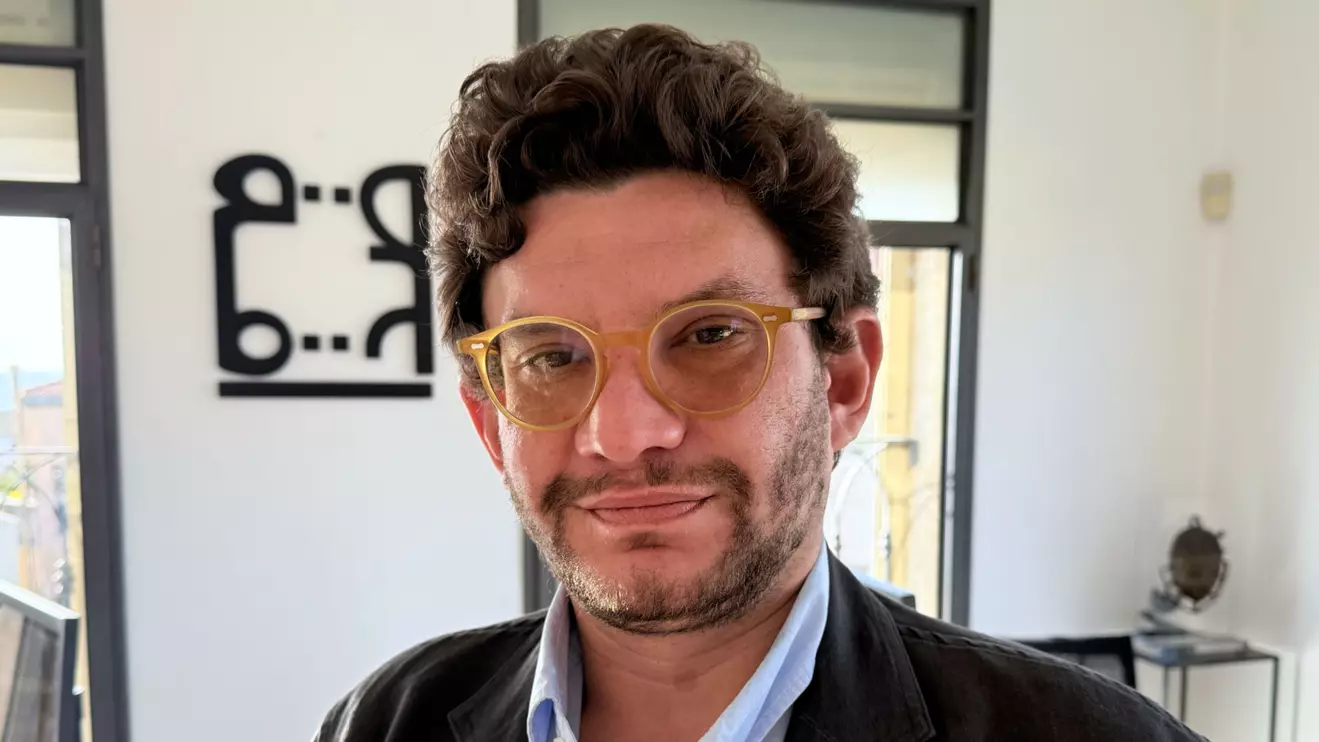
The letter, submitted by Lebanese Ambassador Ahmad Arafa, is now registered as an official document of both the Security Council and the General Assembly.
The complaint accuses Iran's Islamic Revolutionary Guard Corps of "illegal acts committed in flagrant defiance of Lebanese government decisions" and cites "clear violations by the Iranian embassy in Beirut of the 1961 Vienna Convention on Diplomatic Relations."
The document raises several specific allegations. Lebanon contests Iran's account of the killing of Iranian diplomats in Beirut in March, following an Israeli strike on a hotel.
Tehran claimed its embassy had informed Lebanese authorities of the diplomats' transfer to the targeted Ramada Hotel, a claim Beirut flatly denies. Lebanon further notes that two of the six killed, Ahmad Rasouli and Amir Moradi, were never officially registered as diplomats, in violation of Article 10 of the Vienna Convention, and that Iranian media described all six as Revolutionary Guards members shown in military uniform.
The complaint also references Iran's refusal to comply with Lebanon's decision to declare its ambassador persona non grata, ordering him to leave by 29 March, a refusal Beirut calls "a manifest violation of the Vienna Convention."
A relationship in rupture
The filing marks the culmination of a dramatic shift in Lebanese-Iranian relations. For years, Tehran exercised deep influence over Lebanon through Hezbollah.
Now, Beirut is formally accusing Iran at the highest international levels of using Lebanese territory for military operations conducted without the government's consent.
Ambassador Arafa had already told the Security Council in April that Hezbollah had "unilaterally decided to go to war while the Lebanese government was open to dialogue" — a direct indictment of the group that Iran arms, funds and directs.
Lebanon is asserting its sovereignty. Iran, for once, is in the dock.