The conventional wisdom in regional security circles is predictable: Turkey helped birth the new military architecture in post-Assad Syria, meaning Damascus is merely a northern extension of Ankara's strategic reach.
But like most broad-brush strokes in Middle Eastern geopolitics, this narrative collapses upon closer inspection.
Recent developments in Syria reveal a far more nuanced and turbulent reality. Against the backdrop of quiet, high-stakes diplomacy, such as the recent meetings in Jordan between senior Israeli officials and a delegation led by the Syrian Foreign Minister, Damascus is quietly recalibrating its relationship with its northern patron.
The most glaring indicator of this friction is the quiet "purge" recently executed within the upper echelons of the Syrian military.
At least three senior officers, all staunch loyalists to Ankara, have been unceremoniously sidelined. These commanders are not low-level recruits; they are battle-hardened veterans of the Syrian National Army (SNA)—the very militia built, trained, funded, and operated hand-in-glove by Turkey throughout the civil war before being folded into the new national military framework.
To view these dismissals merely as bureaucratic reshuffling is to miss the forest for the trees. This is a calculated power play.
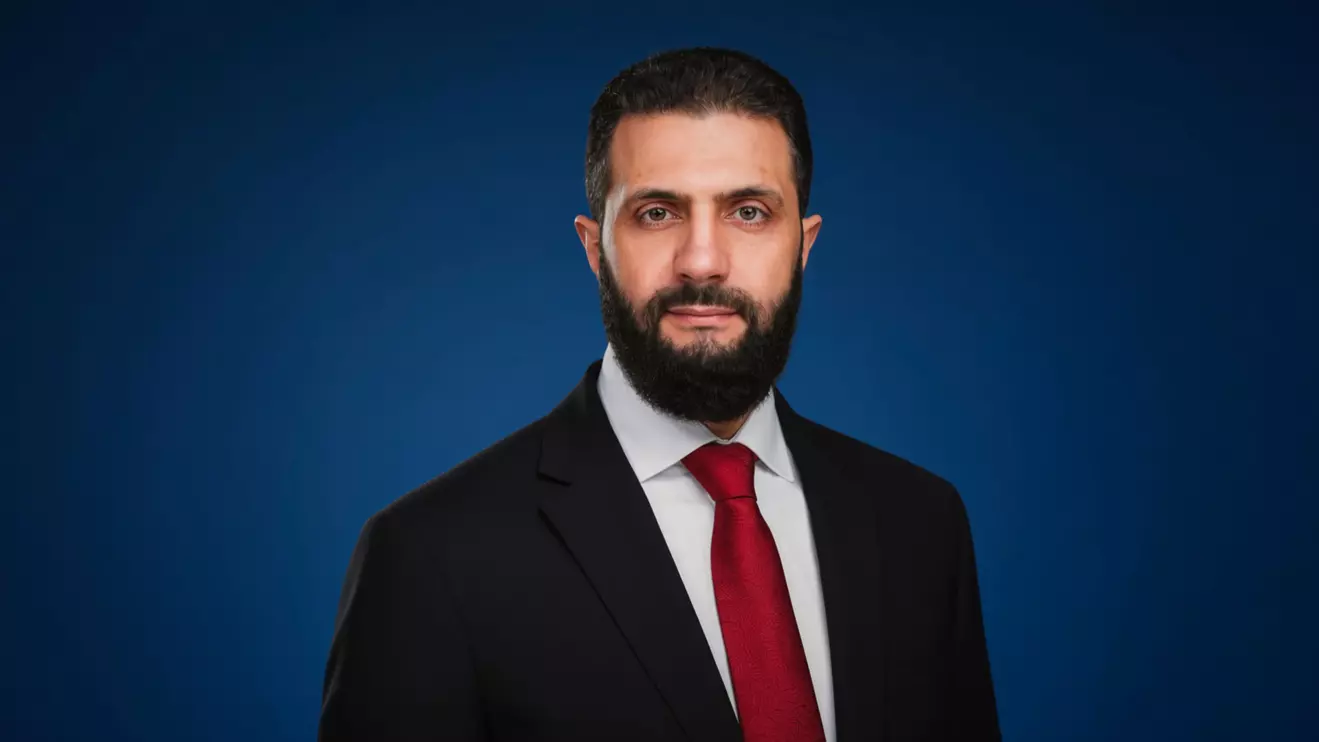
Ahmed al-Sharaa’s administration finds itself walking a geopolitical tightrope. On one hand, Damascus cannot afford to break with Turkey; Ankara’s economic lifeline, political backing, and security umbrella remain indispensable.
The al-Sharaa regime has signaled that it wants to be treated as a sovereign player
Erdoğan’s goodwill is not something al-Sharaa is eager to sacrifice on a whim. On the other hand, sovereignty is a jealous mistress.
By systematically removing key Turkish proxies from critical command positions, al-Sharaa is drawing a sharp red line. He is signaling to Ankara that cooperation does not equal capitulation, and that the new Damascus intends to rule its own house rather than serve as a subsidiary of a neo-Ottoman ambition.
For Jerusalem, this nascent rift between Damascus and Ankara is not just a diplomatic curiosity—it is a strategic opening.
For years, Israel’s northern calculus has had to factor in a largely monolithic threat matrix along the Syrian border, increasingly complicated by Turkish influence.
A Damascus that is actively pushing back against overbearing foreign tutelage introduces a valuable degree of fluidity into the regional equation. It creates room for maneuver, offering Israeli policymakers a window to shape security arrangements, test diplomatic channels, and explore converging interests with a Syrian leadership that is discovering the limits of its dependence on Turkey.
In the chessboard of the Levant, no alliance is absolute, and no rift is permanent. By asserting its autonomy through the removal of Turkish-backed commanders, the al-Sharaa regime has signaled that it wants to be treated as a sovereign player, not a proxy. For regional actors watching closely, it is a development well worth capitalizing on.