Trump considers occupying or blockading Iran's Kharg island

1 min Bruno Finel

The Trump administration is actively considering plans to occupy or blockade Iran's Kharg Island, the country's most critical oil export terminal, as leverage to force Tehran to reopen the Strait of Hormuz, Axios reported Friday, citing four sources with direct knowledge of the deliberations.

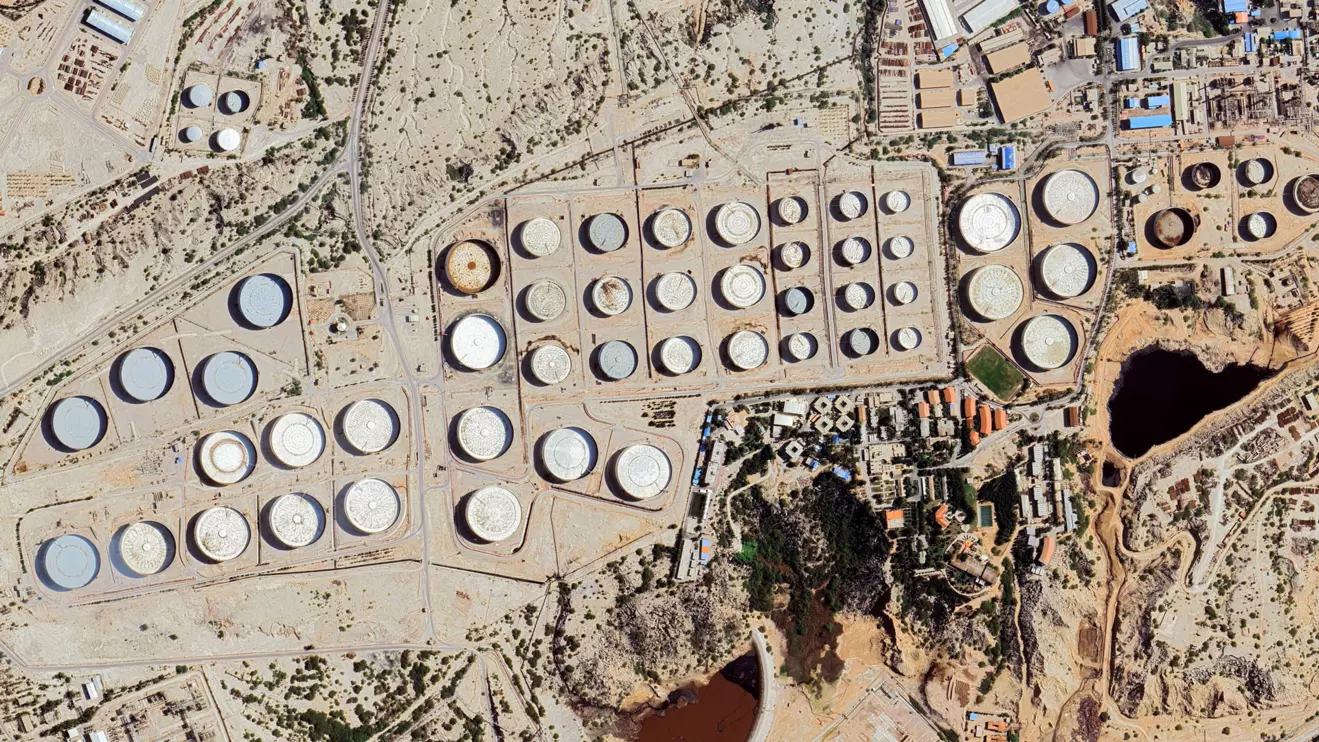
Kharg Island is not just any strategic asset. It is the beating heart of Iran's oil export infrastructure © Mena Today 

Kharg Island is not just any strategic asset. It is the beating heart of Iran's oil export infrastructure © Mena Today 

The Trump administration is actively considering plans to occupy or blockade Iran's Kharg Island, the country's most critical oil export terminal, as leverage to force Tehran to reopen the Strait of Hormuz, Axios reported Friday, citing four sources with direct knowledge of the deliberations.

Kharg Island is not just any strategic asset. It is the beating heart of Iran's oil export infrastructure, handling approximately 90% of Iran's crude oil exports and representing one of the most vital pieces of economic leverage the Islamic Republic possesses. 

Controlling or blockading Kharg would effectively strangle Iran's remaining oil revenues at a moment when the regime is already reeling from weeks of devastating US-Israeli strikes.

The island sits in the northern Persian Gulf, approximately 25 kilometers off Iran's southwestern coast, well within range of US naval and air assets already deployed in the region.

The Strategic Logic

Iran closed the Strait of Hormuz at the start of the conflict, declaring it would "not allow a single litre of oil" to reach the United States, Israel or their partners. 

The closure has sent oil prices soaring, disrupted global supply chains and forced the International Energy Agency to release 400 million barrels from strategic reserves in the largest such intervention in history.

Occupying or blockading Kharg would give Washington a direct bargaining chip, essentially telling Tehran: reopen Hormuz, or lose your primary source of oil revenue permanently.

Bruno Finel

Bruno Finel

Bruno Finel is the editor-in-chief of Mena Today. He has extensive experience in the Middle East and North Africa, with several decades of reporting on current affairs in the region.

Related

Iran

Tehran is not serious about talks

U.S. Secretary of State Marco Rubio said on Wednesday the United States is still willing to negotiate an end to the Iran crisis but Tehran is not serious about talks, as the widening conflict disrupted two of the world's most critical energy chokepoints.

Iran

Iran's regime built on lies and concealment

The level of "interaction" with Iran's Supreme Leader is increasing day by day, Iranian President Masoud Pezeshkian said in a video clip published on state media on Tuesday.

Syria

Damascus foils another arms shipment toward Hezbollah

Syria's General Authority for Land and Sea Ports and Customs said Tuesday that customs officers had thwarted an attempt to smuggle more than 200 hand grenades hidden inside a vehicle attempting to cross the border toward Lebanon.

Subscribe to our newsletter

Mena banner 4

To make this website run properly and to improve your experience, we use cookies. For more detailed information, please check our Cookie Policy.

  • Necessary cookies enable core functionality. The website cannot function properly without these cookies, and can only be disabled by changing your browser preferences.