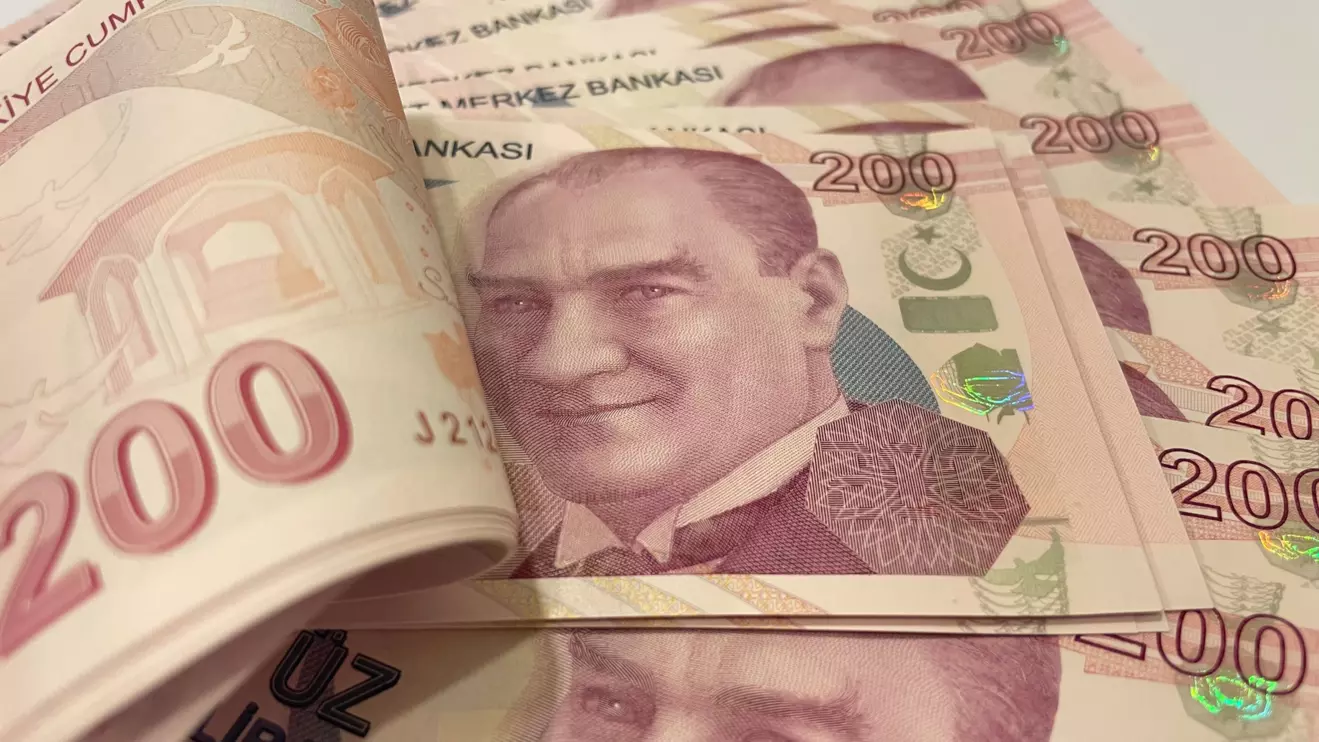
Turkey’s central bank is reportedly exploring new ways to stabilize its currency as regional tensions linked to the conflict in Iran ripple through global markets.
Officials are weighing whether to use part of the country’s substantial gold holdings—estimated at around $135 billion—to support the lira. One option under discussion involves swapping gold for foreign currency in international markets such as London, a move that could provide quicker access to hard currency when needed.
A portion of these reserves, roughly $30 billion, is already held abroad, which would allow authorities to act without major logistical hurdles. Over the past decade, Turkey has steadily increased its gold stockpile as part of a broader strategy to reduce reliance on dollar-based assets.
The urgency behind these discussions reflects mounting economic pressure. Rising geopolitical tensions have driven oil prices sharply higher in recent weeks, creating added strain for Turkey, which depends heavily on imported energy. Higher energy costs risk fueling inflation further and widening the country’s external financing gap.
Inflation has already been a persistent challenge. Annual consumer price growth stood above 30 percent in February, placing Turkey among the countries with the fastest-rising prices globally.
Despite ongoing intervention, the lira continues to face gradual downward pressure
Maintaining stability in the lira has been a key pillar of the government’s efforts to bring inflation down. However, that strategy is becoming more difficult as external shocks push up import costs and weigh on foreign reserves.
In response, authorities have taken several steps to manage market volatility. These include tightening liquidity conditions, increasing the cost of lira funding, and intervening in currency markets through state-backed banks.
The central bank has also been offloading foreign-currency assets, including US government bonds, in an effort to bolster its position.
At the same time, foreign investors appear to be retreating. Recent data shows a sharp sell-off in Turkish government bonds, highlighting growing caution among international market participants.
On the ground, demand for foreign currency is also rising. In Istanbul’s traditional trading hubs, dollars have reportedly been selling at a premium compared to official rates, reflecting increased local demand for safer assets.
Markets are now anticipating further policy tightening. Expectations are building for a potential interest rate increase in the coming month, as authorities seek to contain inflation and steady the currency.
Despite ongoing intervention, the lira continues to face gradual downward pressure, reflecting the broader economic and geopolitical challenges confronting Turkey