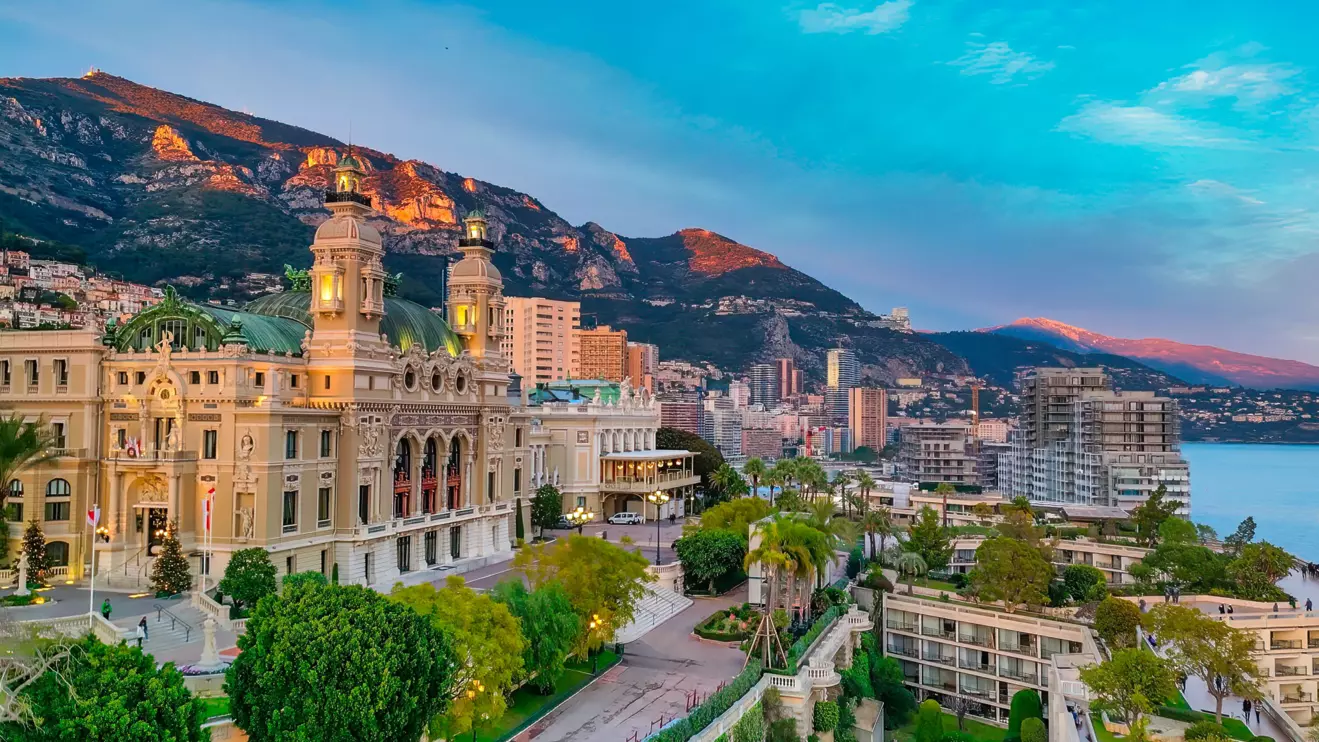
Turkey wants to be the next Monaco, or at least the next Singapore. Finance Minister Mehmet Simsek unveiled a sweeping package of tax reforms on Monday, positioning Turkey as a "central corridor" between Europe and the Middle East and promising some of the most generous fiscal incentives in the region.
The headline measures are striking. Companies based at the Istanbul Financial Centre will enjoy 100% tax exemption on transit trade, while those located elsewhere in Turkey will benefit from a 95% exemption. Exporters will see their corporate tax slashed from 25% to 14%, with manufacturers paying just 9%. High-value service exports, software, video games, engineering and design, will be taxed at zero.
Most eye-catching of all: new residents moving to Turkey will receive a 20-year income tax exemption on foreign-sourced income. Turkish citizens repatriating wealth from abroad could access similar benefits under conditions still to be defined.
"We are determined to make Turkey a global hub," President Recep Tayyip Erdogan said Friday. Simsek echoed the ambition, vowing to align Istanbul with Singapore, Hong Kong and the Netherlands as a premier financial centre.
The timing is deliberate. As the Middle East war disrupts regional trade and closes the Strait of Hormuz, Turkey is positioning itself as the stable, well-connected alternative, a bridge between continents that no conflict can easily sever.
There is, however, a significant caveat. Turkey's inflation stood at 30.9% annually in March, and the government now expects it to run 3 percentage points higher than previously forecast due to war-driven price pressures. Simsek called the situation "difficult but manageable."
All measures require parliamentary approval before taking effect.