A group of at least 100 Haredi donors and lay leaders in the United States has pledged to withdraw financial support from Israeli yeshivot and other religious institutions that publicly denigrate the Israel Defense Forces, a move that highlights widening tension between segments of the Israeli and Diaspora Haredi communities in the wake of the Israel–Hamas war.
The pledge, operating under the banner “Coalition for Talmud Torah and Security,” was first reported in Israeli Haredi media. Its core demand is simple: donors say they will continue supporting Torah study, but not institutions that, in their view, publicly undermine Israel’s soldiers while those soldiers are fighting and protecting Jewish life.
“We cannot in good conscience support institutions whose public posture undermines those charged with defending Jewish life,” the coalition wrote in its letter. “Accordingly, we will only provide financial support to Torah institutions that do not publicly speak against, protest or delegitimize the IDF while they bear the burden of defending Jewish lives.”
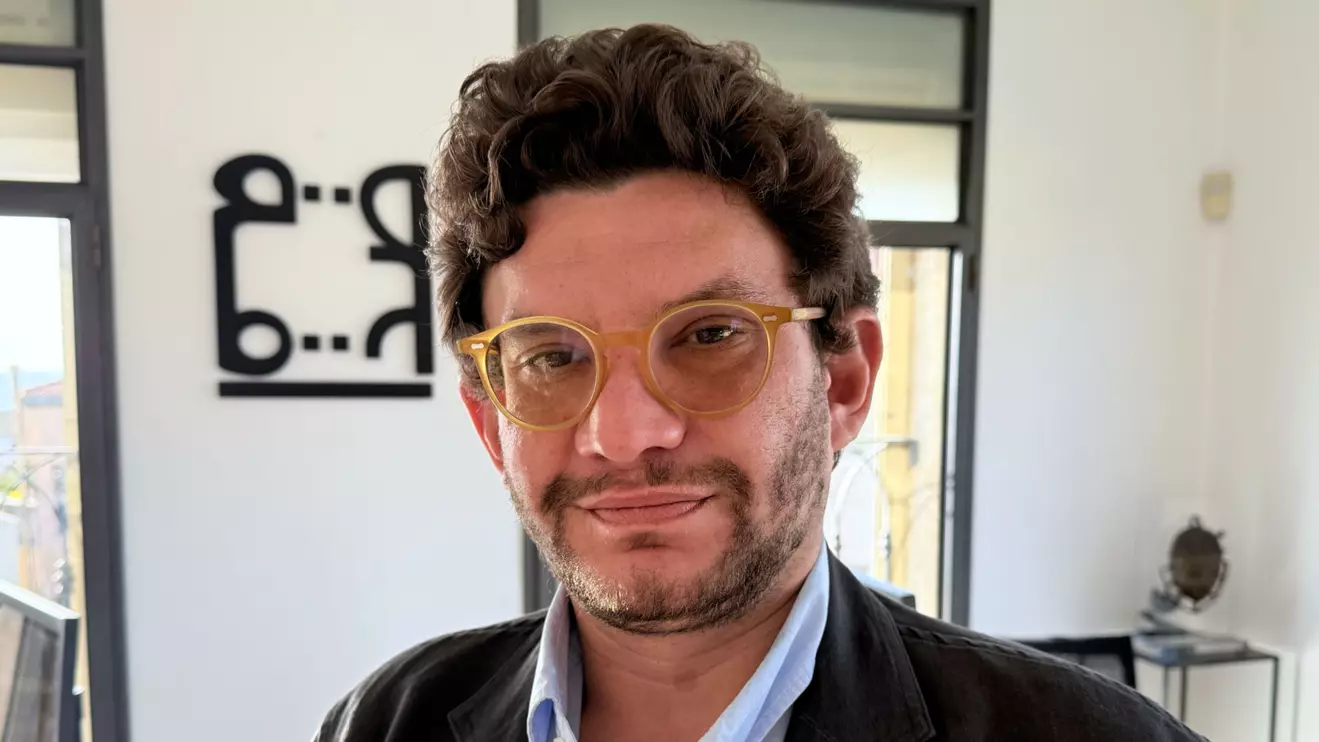
While the public signatory list includes just over 100 names, Rabbi Nechemia Steinberger—an executive involved in the Haredi philanthropy world—said the broader participation is closer to 1,000. He described the effort as an “organic” initiative that began quietly, and said the donors range from mid-level givers to top-tier funders.
A pressure campaign that tries to sidestep the draft fight
Notably, the donors frame their action as separate from the explosive debate over Haredi conscription. The coalition’s letter explicitly says it is not taking a position on whether Haredi men should be drafted—an issue that has repeatedly fractured Israeli politics and fueled social resentment.
“This stance takes no position on the current debate regarding the draft,” the letter says. “It addresses only the propriety of public opposition to the IDF during an ongoing defense of Jewish life.”
That distinction is strategic. It allows American donors to draw a red line around rhetoric—public attacks on the army—without stepping directly into the halachic, political, and identity battle over mandatory service. In effect, it’s a demand for restraint rather than ideological capitulation.
Why this is happening now
The pledge follows months of heightened confrontation inside Israel over military service for the Haredi community, Israel’s fastest-growing population.
Haredi men have historically received exemptions while enrolled in full-time Torah study, a system that has long been defended by Haredi leaders and criticized by many secular and national-religious Israelis as unequal burden-sharing.
The tension escalated after renewed government efforts to enforce conscription, and after court decisions that pushed the state toward stricter enlistment enforcement and threatened funding streams tied to yeshivot whose students ignored draft notices.
Street protests and sharper rhetoric followed—some of it aimed directly at the IDF and its leadership—creating the atmosphere in which diaspora donors appear to be intervening.
For years, diaspora philanthropy has played a quiet but meaningful role in sustaining Israeli religious institutions. The coalition’s pledge makes that leverage explicit: money will continue to flow, the donors say, but only to institutions that do not publicly delegitimize the army.
Steinberger suggested the pledge could have an outsized impact not because of any single donor’s contribution, but because of the signaling effect. When influential funders coordinate around a standard—even a narrow one—institutions may recalibrate their public messaging to avoid alienating donors.
Whether that translates into broad cultural change inside Israel’s Haredi street politics remains uncertain. But the coalition is plainly betting that financial pressure can cool rhetoric even when ideology remains unchanged.
Diaspora insecurity becomes part of the argument
The letter also roots its stance in a diaspora anxiety that has grown sharper since Oct. 7: rising antisemitism, violent attacks abroad, and the sense that Jewish security worldwide is tied to Israel’s ability to deter and respond to threats.
From that vantage point, public attacks on the IDF are not merely an internal Israeli quarrel—they are seen as weakening the most visible shield of Jewish power at a moment when many diaspora Jews feel newly exposed.
In practice, the pledge may function less as a boycott than as a boundary-setting exercise. The donors are not demanding a new draft policy or trying to settle the theological dispute over Torah study versus military service. They are demanding that, whatever the argument is, it stop short of public delegitimization of the army during war.
If the coalition succeeds, the immediate effect may not be dramatic headlines or sudden institutional closures. It may be something quieter: fewer incendiary statements, fewer public confrontations, and a growing awareness inside parts of Israel’s Haredi establishment that diaspora money now comes with an expectation of rhetorical discipline.
In a debate defined by maximalism, that modest aim, lowering the temperature without forcing consensus, may be the most realistic form of intervention available.