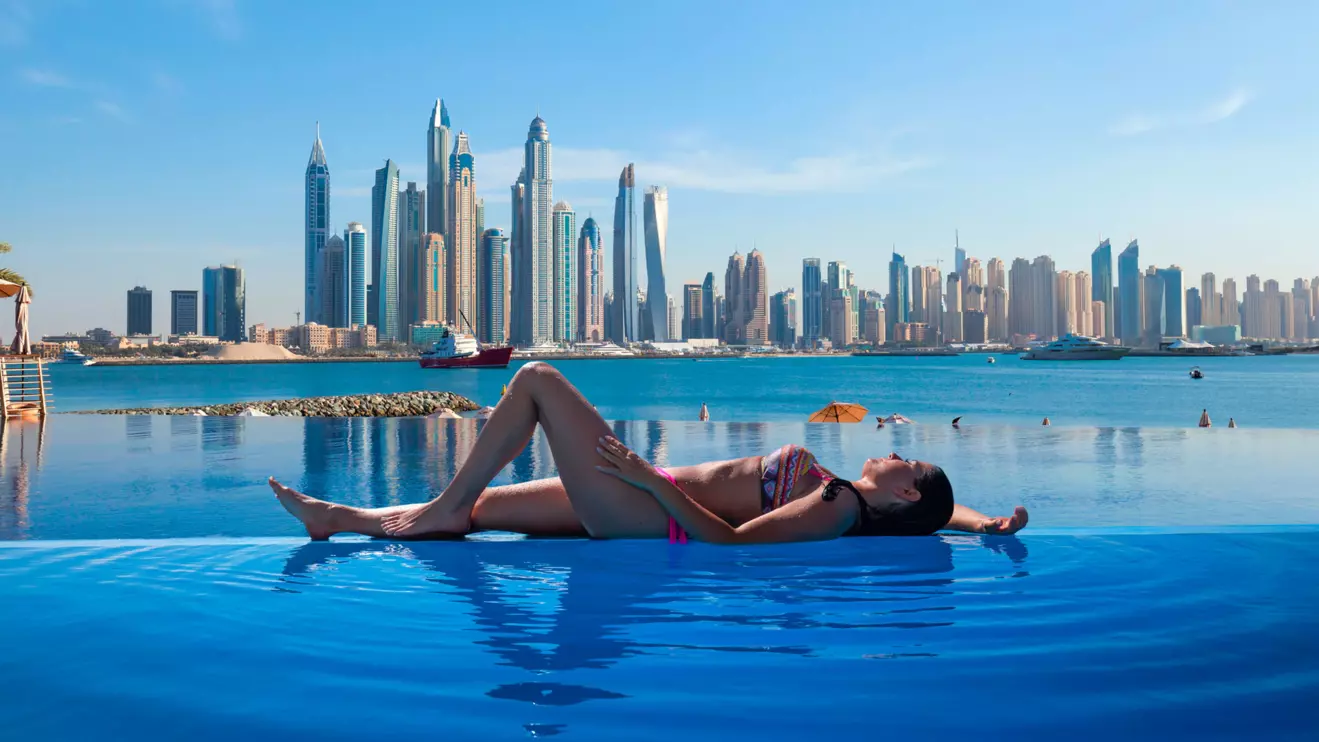
The United Arab Emirates has officially launched its winter tourism season, a period spanning from mid-December through April, during which the country leverages its mild climate and diverse geography to attract both local and international visitors.
This year’s season is expected to see a notable increase in tourism activity, driven by a wide range of cultural, recreational, and outdoor programmes across all seven emirates.
Mild winter temperatures continue to make the UAE a popular destination during this period, with seasonal events catering to a broad range of interests—from heritage festivals and desert experiences to entertainment and nature-based activities.
In Abu Dhabi, the Liwa International Festival in the Al Dhafra region serves as one of the largest winter events, running from 12 December to 3 January.
Set in the Tal Moreeb desert, the festival combines heritage exhibitions, motorsports, music, and traditional markets. The capital also offers smaller-scale seasonal programming at venues like Umm Al Emarat Park, with events continuing through spring 2026.
Yas Island, a major entertainment hub in Abu Dhabi, has launched its own winter celebrations, including the Yas Winter Festival and snow-themed attractions in its theme parks. These events target families and international visitors, reflecting the island’s positioning as a year-round leisure destination.
In Dubai, winter activity centres around popular attractions such as Global Village, the Dubai Shopping Festival, and Expo City Dubai’s Winter City. Highlights include daily drone shows (5 December – 11 January), fireworks displays, concerts, and extensive market offerings.
Locations like Madinat Jumeirah and Dubai Festival City also host seasonal markets, while Hatta, a mountainous area on the city’s outskirts, offers nature-based tourism with its Hatta Winter Festival, which features eco-tourism, heritage exhibitions, and outdoor sports.
Sharjah and Ajman are expanding their winter offerings, particularly along coastal areas and public parks, with light shows and cultural markets. Umm Al Quwain focuses on eco-tourism and camping in its protected natural zones, attracting visitors seeking quiet, open-air retreats.
Fujairah and Ras Al Khaimah, both known for their natural landscapes, are hosting beach and mountain events, including sports and community festivals that take advantage of the cooler weather. Al Ain, part of Abu Dhabi emirate, is also drawing visitors with its mix of heritage and nature activities.
Programmes include safari tours, events at historical sites, and outdoor attractions near Jebel Hafeet, one of the country’s highest peaks.
Beyond entertainment, the winter season features educational and youth camps organized by government and civil society groups.
These camps—held across Abu Dhabi, Dubai, and Ras Al Khaimah, cover subjects such as technology, sports, culture, and the environment, offering young participants opportunities for learning and skill-building during the school holidays.
With tourism contributing significantly to the UAE’s economic diversification goals, the winter season remains a key period for the country. The wide geographic distribution of events this year reflects an increasing focus on developing tourism across all emirates, not just traditional hubs like Dubai and Abu Dhabi.